About Fukuoka
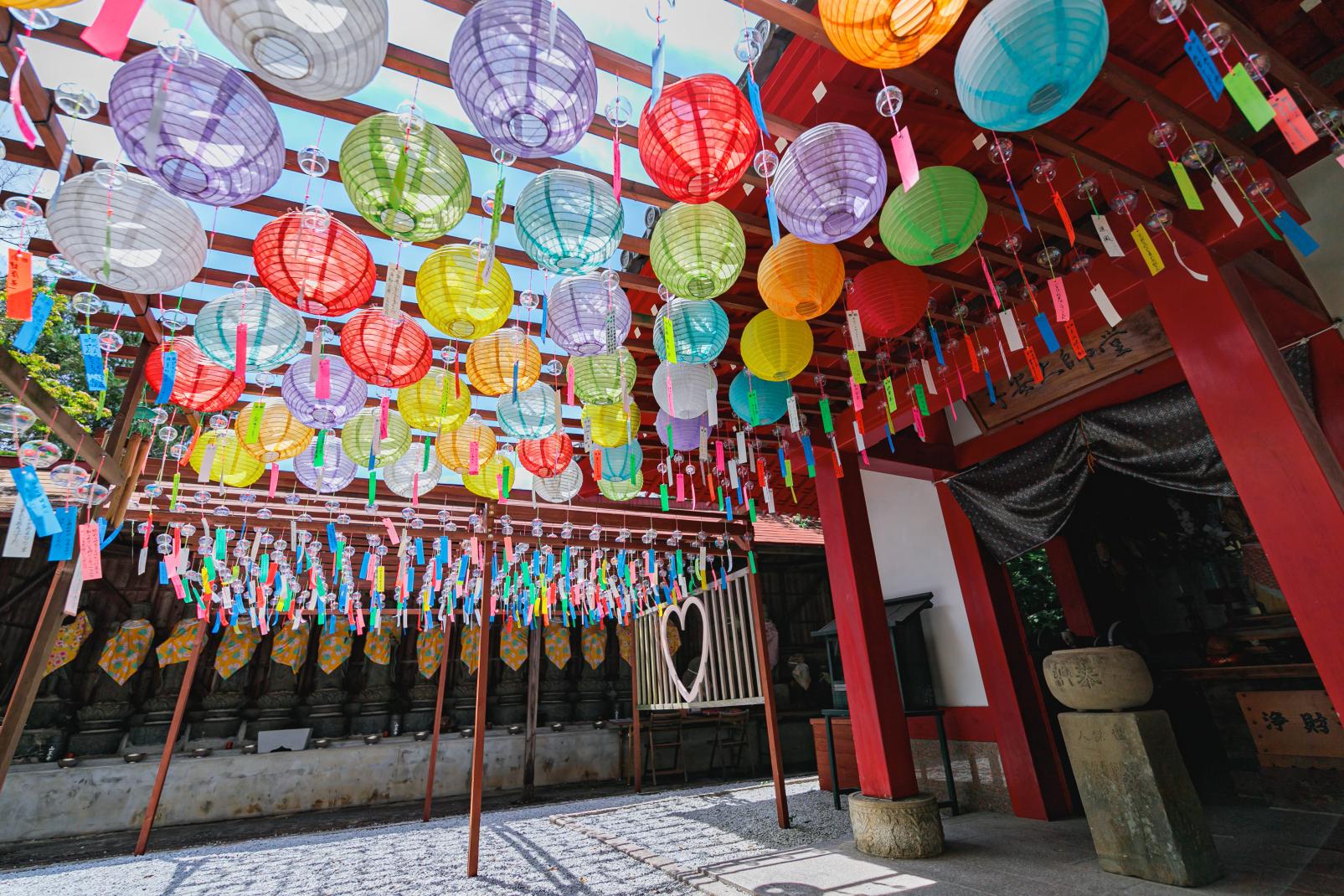
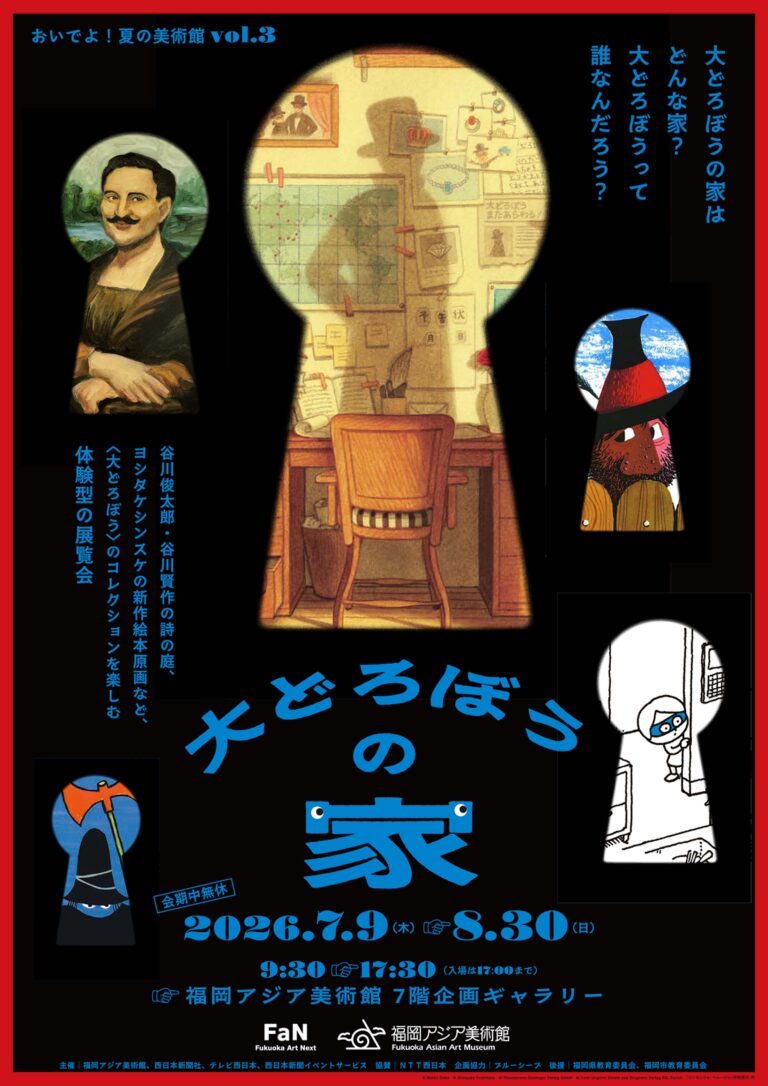
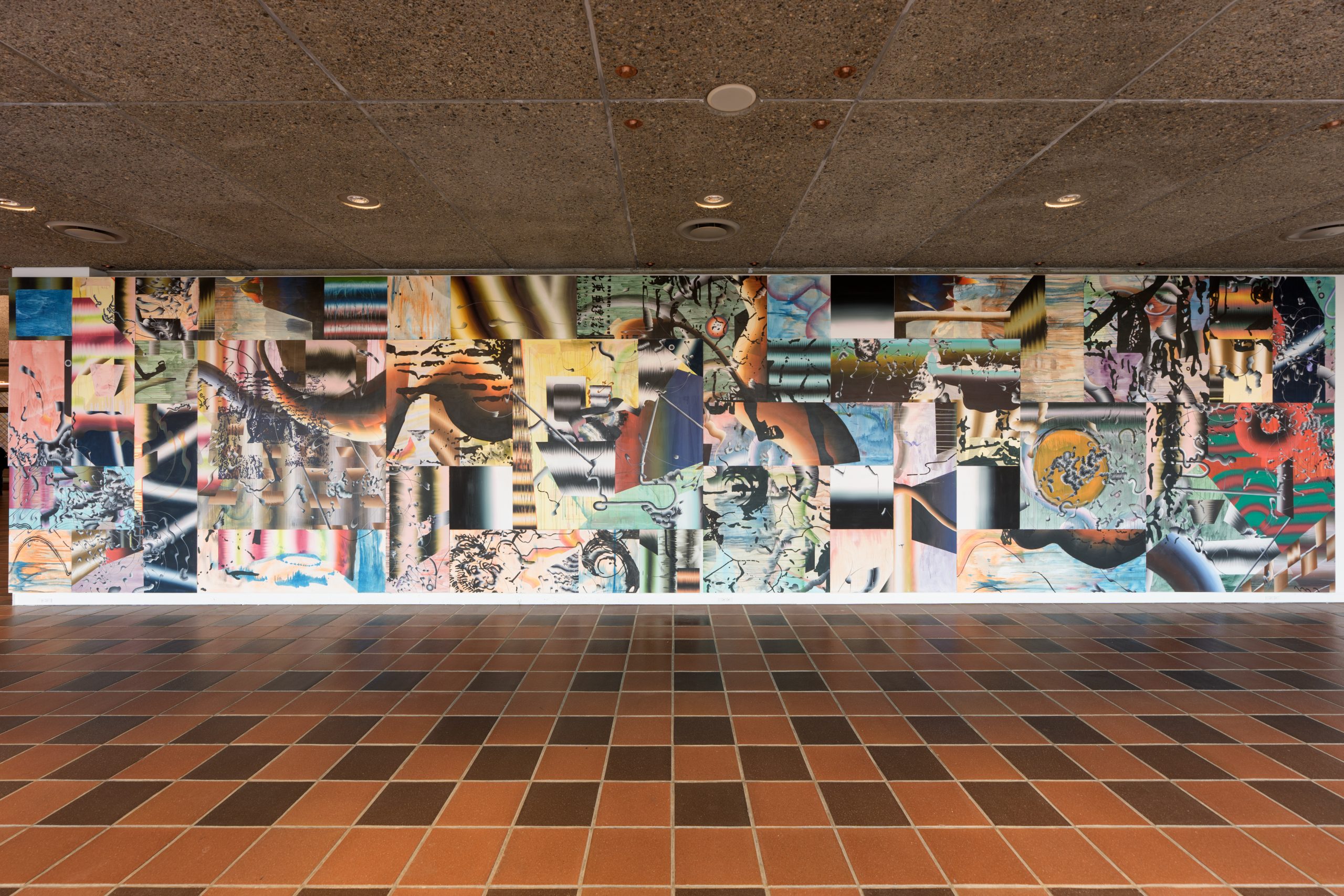
Fukuoka is the city that Japanese people consistently vote the most liveable in the country, and its event culture reflects the confidence and pleasure of a place that knows what it is and genuinely likes itself. The Hakata Gion Yamakasa in July is the defining event — not a performance staged for tourists but a raw, visceral, neighbourhood-scale competition that has been running since 1241 without interruption. Teams of men from different districts carry enormous floats weighing several tonnes through the narrow streets at racing speed — the climax happens at five in the morning when crowds wake at dawn to witness this spectacle. It is a moment of collective neighbourly intensity that most visitors to Japan will never experience. The Hakata Tanabata Festival in August brings tangled decorations to the shopping streets. The Fukuoka Flower Festival in autumn transforms open spaces with floral installations. The city's food culture — Hakata ramen, yatai street food stalls that operate from evening until midnight along the riverside, grilled chicken specialities — is integral to how locals gather and celebrate. The contemporary arts scene, centred on the Fukuoka Asian Art Museum, has a strong international character reflecting Fukuoka's geographical position as Japan's closest major city to Asia and its role as a gateway for cultural exchange with Korea, China, and Southeast Asia. The music and performance venues throughout the city attract touring artists and host regular local performances. Yanagawa, just forty minutes from the city centre, hosts major seasonal festivals and hosts traditional canal boat culture. The city's design and street art community is visible and active. This is a city built around the pleasure principle — food, art, seasonal celebration, and human connection are not separate from daily life but central to it.