Arts & Culture
UNTIL OCTOBER 4
Kobe
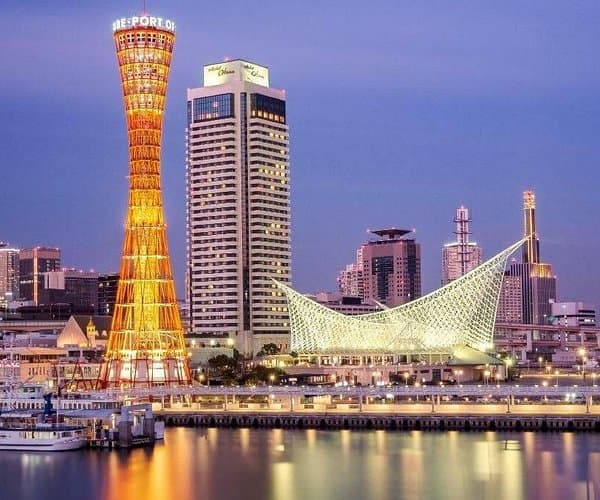
Kobe has always been Japan's most international city — a port that opened to Western trade in 1868 and absorbed foreign influence so thoroughly that it developed its own distinctive, hybrid culture that is distinct from both Tokyo and Osaka.
47 events · Updated twice weekly






Kobe has always been Japan's most international city — a port that opened to Western trade in 1868 and absorbed foreign influence so thoroughly that it developed its own distinctive, hybrid culture that is distinct from both Tokyo and Osaka. The port and the European-influenced architecture in Motomachi and Kitano created a city that feels uniquely cosmopolitan for Japan. Sake brewing districts and the city's famous Kobe beef culture sit alongside that imported internationalism, creating a local identity distinct from anywhere else in Japan.