What this is
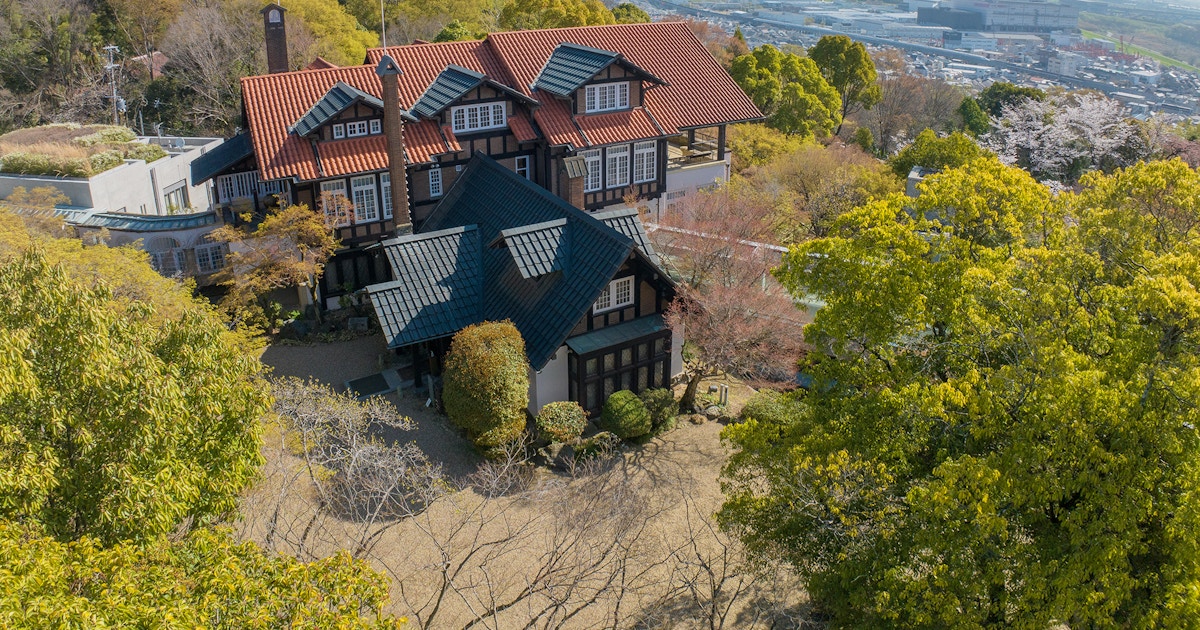
This exhibition marks the 60th anniversary of the death of Kawai Kanjiro (1890–1966), one of Japan's most celebrated potters and a founding figure of the mingei (folk craft) movement, which championed the idea that beauty lives in everyday functional objects. Displayed alongside his works are pieces by his close contemporary Hamada Shoji, who was designated a Living National Treasure in 1955 and is credited with establishing Mashiko as a world-renowned pottery centre. Both artists are drawn from the distinguished Yamamoto Tamesaburo Collection, assembled by a devoted collector who preserved these works as a living testament to mingei philosophy. The exhibition invites visitors to explore the creative dialogue between two masters whose complementary yet distinct approaches to glazing, form, and craft philosophy fundamentally reshaped 20th-century ceramics. Held at the Asahi Group Oyamazaki Villa Museum of Art — itself a historic architectural gem — the setting adds an additional layer of cultural resonance to the experience.
Who should go
Ceramics enthusiasts, collectors, and anyone drawn to Japanese craft philosophy will find this a rare and essential exhibition. The atmosphere is contemplative and scholarly, giving visitors the space to study subtle glazing techniques, earthy forms, and the quiet aesthetic principles that define the mingei tradition. Art students, design professionals, and anyone curious about the philosophical underpinnings of Japanese craft will gain particular value from seeing these two masters in dialogue. Visitors who appreciate historic museum settings will also enjoy the Oyamazaki Villa itself, a beautifully preserved early 20th-century building surrounded by greenery. Arrive on a weekday morning for the most peaceful experience and the best opportunity to examine individual pieces up close.
Good to know
Tickets can be purchased at the museum box office on the day; check the Asahi Group Oyamazaki Villa Museum of Art's official website for any advance or online ticketing options, as availability may vary by season. The museum is a relatively intimate venue housed in a historic early 20th-century villa, so crowds are manageable but the space is not large — weekday visits are strongly recommended for a relaxed experience. Photography policies vary by exhibition at this venue, so confirm on arrival whether cameras or smartphones are permitted near the works. The uphill path from Oyamazaki Station takes around 10 minutes on foot and passes through pleasant surroundings, but wear comfortable shoes. Cash is the safest payment option at smaller museum venues in Japan, though the box office may accept cards.
This event was sourced and translated from Japanese by What's On Japan. Details may change — verify with the official source before attending.