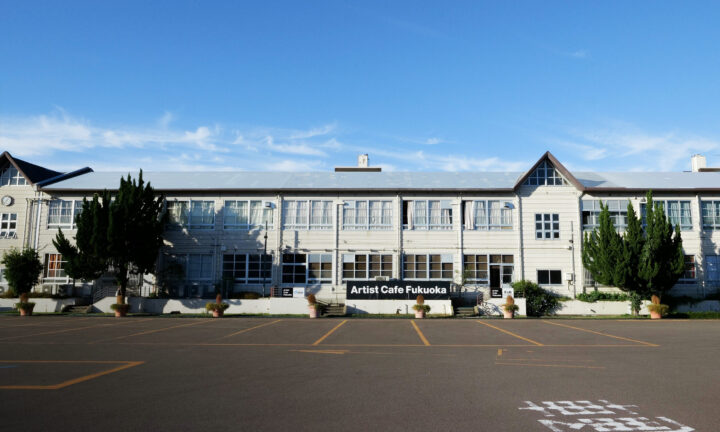
What this is
This exhibition presents works created during the Artist Cafe Fukuoka residency program, a dedicated initiative that provides artists with time, space, and resources to develop new creative work. Residency programs like this are an important part of contemporary art ecosystems, allowing artists to experiment outside the pressures of commercial gallery production. The show offers a rare window into the creative process itself, often featuring experimental, in-progress, or site-responsive works that emerge from immersion in a new environment. For Fukuoka, this kind of residency exhibition strengthens the city's identity as a hub for contemporary art and international creative exchange. The 2026 edition features work by Carol Milne, an American artist celebrated for her extraordinary 'knitted glass' technique, which fuses the tactile language of knitting with the precision of cast glass sculpture.
Who should go
This exhibition is ideal for contemporary art enthusiasts, craft and material culture fans, and anyone curious about how artists develop work in an unfamiliar environment. Carol Milne's knitted glass sculptures are genuinely unlike anything most visitors will have encountered — the works blur the boundary between textile and glass in a way that rewards close looking. Those interested in process-based or experimental art will find the residency context adds an extra layer of meaning to the pieces on display. Visitors should confirm opening hours directly with Kōryū Gallery before attending, as residency exhibitions sometimes operate on limited or appointment-based schedules.
Good to know
Kōryū Gallery is the confirmed venue for this exhibition — contact the gallery directly or check the Artist Cafe Fukuoka website for precise opening hours, as residency shows sometimes have restricted viewing windows. Entry is likely free or low-cost, as is typical for residency exhibitions in Japan, but it is worth confirming in advance. Cash is advisable for any on-site purchases such as catalogues or artist merchandise, as smaller galleries in Japan often do not accept cards. Arriving early in the day tends to offer a quieter, more contemplative experience at gallery-scale exhibitions. Foreign visitors will find Fukuoka one of Japan's most accessible cities for English speakers, with good signage and a compact, walkable city centre.
This event was sourced and translated from Japanese by What's On Japan. Details may change — verify with the official source before attending.