What this is
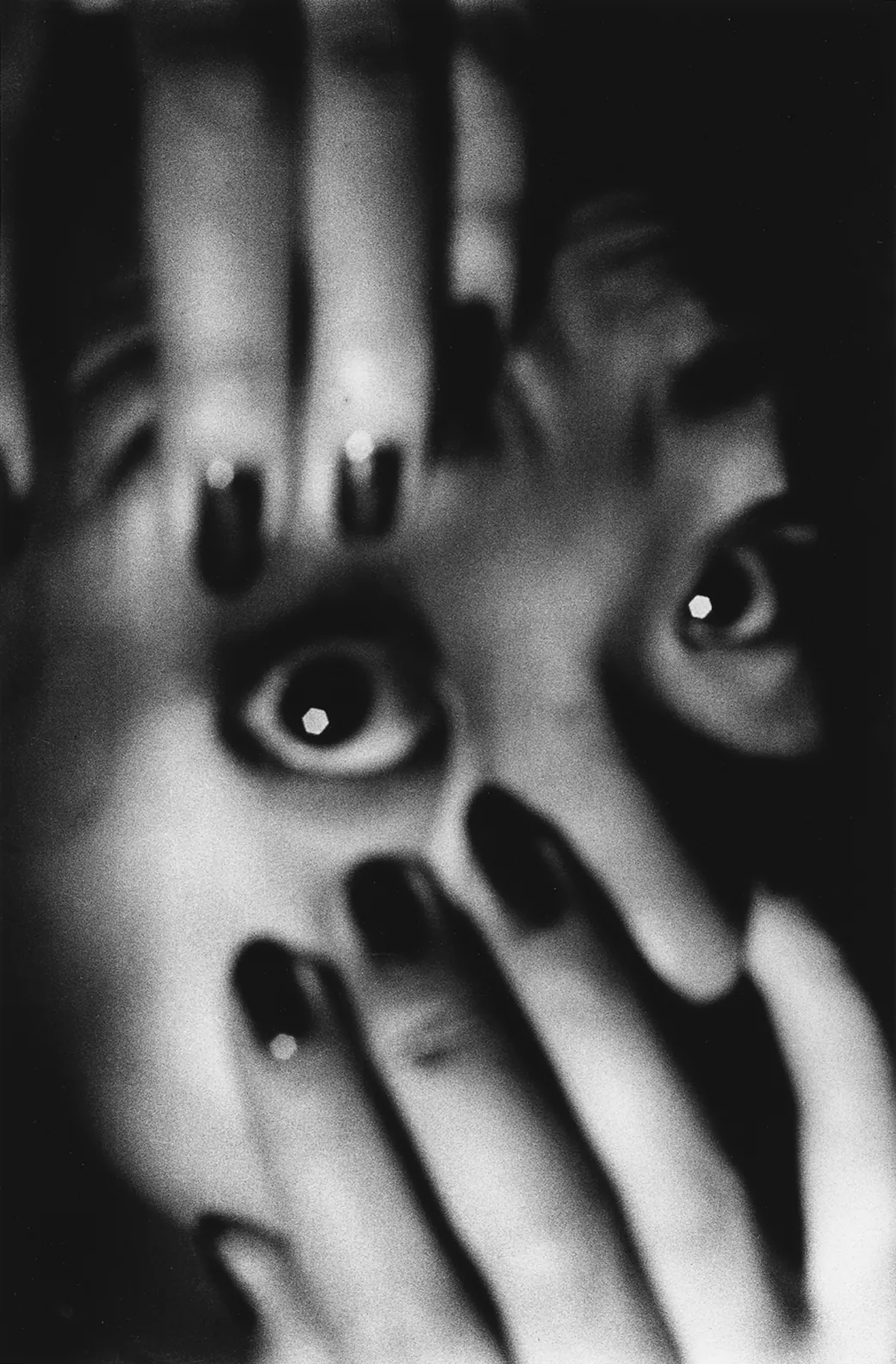
A major retrospective exhibition showcasing the work of Daido Moriyama, one of Japan's most influential living photographers, celebrated for his raw, high-contrast black-and-white street photography. Moriyama emerged in the 1960s as a central figure in the avant-garde Provoke movement, which challenged conventional photographic aesthetics with deliberately grainy, blurred, and high-contrast imagery. This comprehensive survey traces his six-decade career, from his early provocative work through to his ongoing documentation of Tokyo's streets and nocturnal urban landscapes. The exhibition offers a rare opportunity to experience the full scope of an artist who fundamentally reshaped contemporary photographic practice in Japan and left a lasting mark on the global art world.
Who should go
Photography enthusiasts, contemporary art lovers, and anyone with an interest in Japan's post-war cultural and social evolution will find this exhibition essential viewing. The atmosphere is immersive and visceral — Moriyama's signature rough-edged prints create an intense visual experience that captures both urban alienation and raw human vitality. Visitors curious about how modern Japanese identity has been documented through an uncompromising artistic lens will appreciate the exhibition's depth and breadth. Allow at least 90 minutes to fully absorb the scope and emotional weight of the work.
Good to know
Tickets are typically available at the venue box office on the day, and many Kyoto museum exhibitions also sell tickets via eplus.jp or pia.jp — both platforms accept foreign credit cards, though convenience store pickup at Lawson or FamilyMart is the most hassle-free option for visitors without a Japanese address. Most Japanese art museums are seated-free, gallery-walk format with a calm, contemplative atmosphere — expect a mix of serious photography fans and students. Cash is widely accepted at museum ticket counters, though card payment is increasingly available at larger Kyoto institutions. Photography of the artworks is generally prohibited inside the gallery, so plan to spend your time absorbing the prints rather than documenting them. Arriving at opening time on weekdays is the best strategy to avoid school groups and weekend crowds.
This event was sourced and translated from Japanese by What's On Japan. Details may change — verify with the official source before attending.