What this is
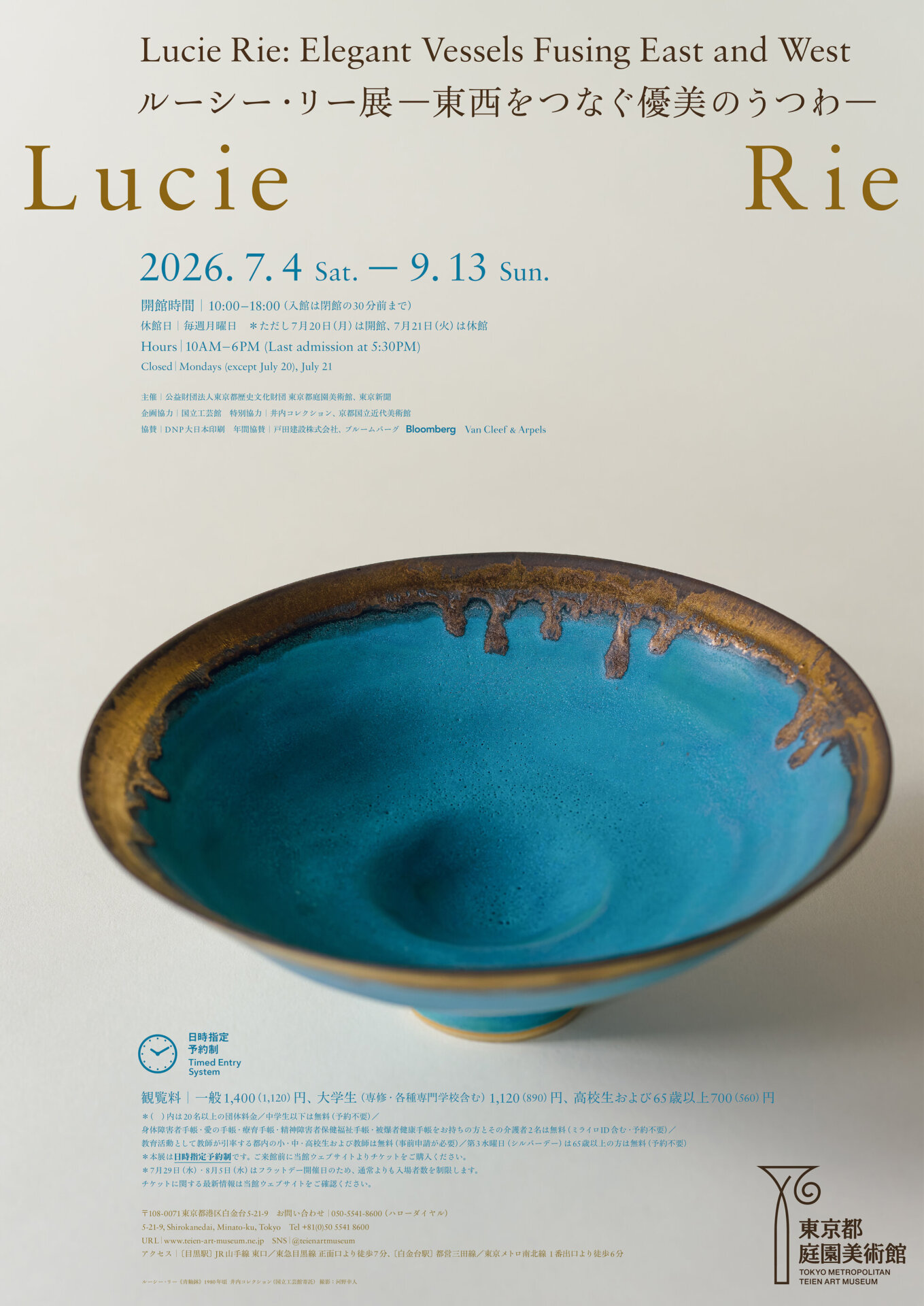
This exhibition at the Tokyo Metropolitan Teien Art Museum is dedicated to Lucie Rie (1902–1995), the Vienna-born British studio potter widely regarded as one of the most significant ceramicists of the 20th century. Trained in Vienna and later based in London, Rie developed a highly personal aesthetic that blended European modernist sensibilities with the refined traditions of Japanese and Chinese pottery. Her work is celebrated for its delicate thrown forms, luminous glazes, and extraordinary technical precision. The exhibition presents a curated selection of her elegant ceramic vessels, illustrating how she synthesized East and West into a quietly revolutionary body of work. Timed entry is in operation to ensure an unhurried, high-quality viewing experience.
Who should go
This exhibition is ideal for ceramics enthusiasts, studio potters, and design professionals with an interest in 20th-century craft history. Those drawn to minimalist aesthetics, cross-cultural artistic dialogue, or the boundary between functional and fine art will find Rie's work deeply rewarding. The contemplative atmosphere suits visitors who enjoy a slower, more meditative museum experience rather than a large-scale blockbuster show. The Teien Art Museum's Art Deco building and garden setting add an extra layer of beauty to the visit. Book timed entry tickets online in advance to secure your preferred slot, especially for weekend visits.
Good to know
Tickets can be purchased online via the museum's official website or at the venue box office on the day, subject to availability — online booking is strongly recommended for weekends. The Tokyo Metropolitan Teien Art Museum is a relatively small, intimate venue housed in a 1933 Art Deco former imperial villa, with a capacity that makes timed entry essential for a comfortable experience. Foreign credit cards are generally accepted at the online booking stage; convenience store pickup via Lawson Ticket or eplus may also be available depending on the ticketing platform used. Arrive a few minutes before your timed entry slot — late arrivals may need to wait for the next available window. The surrounding Japanese garden is free to enter separately and makes a lovely complement to the exhibition.

This event was sourced and translated from Japanese by What's On Japan. Details may change — verify with the official source before attending.