What this is
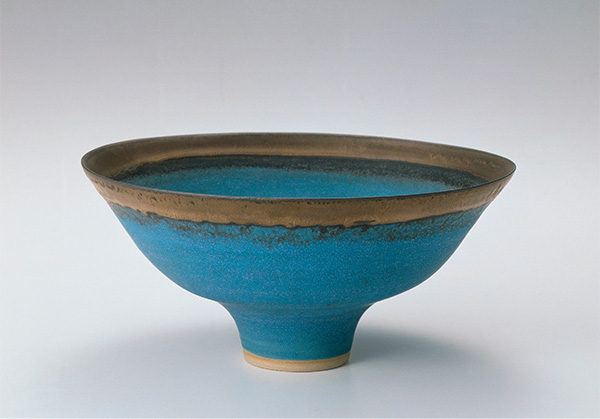
This exhibition celebrates the life and work of Dame Lucie Rie (1902–1995), an Austrian-born British studio potter widely regarded as one of the most significant ceramic artists of the 20th century. Rie developed a distinctive modernist style defined by thin-walled vessels, luminous glazes, and refined forms that drew deeply from her study of Japanese and Korean pottery traditions. Her work represents a remarkable cultural bridge — synthesizing European modernist design with Eastern ceramic philosophy in a way that feels both intellectually rigorous and visually serene. Held at Abeno Harukas Art Museum in Osaka, the exhibition offers Japanese audiences a rare chance to see how their own ceramic heritage reverberated outward and shaped one of the West's most celebrated studio potters. It is a meditation on cross-cultural artistic dialogue and the universal language of craft.
Who should go
This exhibition is ideal for design enthusiasts, practicing ceramicists, and anyone drawn to the intersection of Eastern and Western artistic traditions. The atmosphere is quiet and contemplative, inviting close, unhurried examination of Rie's technical mastery — the subtle variations in glaze, the extraordinary thinness of her vessel walls, the restrained elegance of her forms. Collectors of modern craft and students of ceramic history will find particular depth here, while curious visitors with no specialist background will still be moved by the sheer beauty of the work. Arrive on a weekday morning for the best chance of unobstructed views and a peaceful gallery experience.
Good to know
Abeno Harukas Art Museum is located on the 16th floor of the Abeno Harukas skyscraper — Japan's tallest building — directly above Osaka Abenobashi Station (Kintetsu Lines) and a short walk from Tennoji Station (JR Osaka Loop Line and Osaka Metro Midosuji/Tanimachi Lines), making it extremely easy to reach by public transport. The museum is a mid-sized gallery space suited to focused, intimate exhibitions, and the elevated location means natural light conditions can vary — the ceramic glazes are best appreciated under the museum's controlled gallery lighting. Tickets are typically available at the museum box office on the day, or in advance through eplus.jp or Lawson Ticket (combini pickup at Lawson is the most convenient option for foreign visitors without a Japanese delivery address). Foreign credit cards are generally accepted at the box office. The venue is fully accessible by elevator. Arrive at least 10–15 minutes before your intended viewing time, especially on weekends, as queues can form at the entrance.
This event was sourced and translated from Japanese by What's On Japan. Details may change — verify with the official source before attending.