What this is
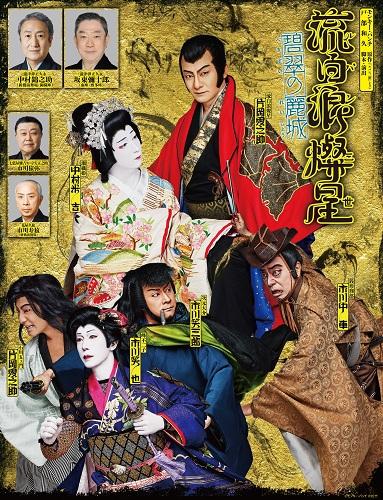
Lupin III: The Emerald Castle is a kabuki stage adaptation of the beloved Japanese anime franchise Lupin III, blending the centuries-old theatrical tradition of kabuki with the iconic characters and aesthetic of Monkey Punch's manga creation. This is the second installment of the Lupin III kabuki series, building on the success of its predecessor and bringing the master thief Lupin and his crew to life through the elaborate costumes, stylised movement, and dramatic vocal delivery that define kabuki performance. Kabuki itself is a UNESCO Intangible Cultural Heritage, and productions at Kyoto's Minami-za carry particular prestige as one of Japan's oldest and most storied kabuki theatres. The fusion of a globally recognised anime property with classical Japanese theatre makes this a genuinely rare cultural event that bridges traditional and contemporary Japanese pop culture.
Who should go
This event is ideal for anime fans curious about traditional Japanese theatre, as well as kabuki enthusiasts eager to see the form applied to a modern, beloved IP. Culture-seekers and first-time kabuki attendees will find the familiar Lupin III storyline an accessible entry point into a theatrical tradition that can otherwise feel opaque to newcomers. The stellar cast of established kabuki actors lends the production serious artistic credibility, making it equally rewarding for those with a deeper appreciation of the form. Book tickets well in advance, as kabuki performances at Minami-za sell out quickly — especially for high-profile crossover productions like this one.
Good to know
Tickets for major kabuki productions at Minami-za are typically sold via eplus.jp, pia.jp, and the Shochiku official website — all three accept foreign credit cards, though a Japanese address may be required for physical ticket delivery; opt for convenience store pickup (combini) at Lawson or FamilyMart to avoid this issue. Minami-za is a seated theatre with a traditional raked auditorium seating approximately 1,000 guests across multiple tiers; seat class significantly affects your sightlines, so the 1st Class front section is recommended for first-timers. The venue is cash-friendly but card payment is increasingly accepted at the box office — bring some yen for programmes, bento, and the traditional theatre snacks sold in the lobby. Kabuki performances are typically long, often running 3–4 hours with interval breaks, so comfortable clothing is advisable even if you dress smartly. Foreign visitors are welcome and the Lupin III theme makes this one of the more accessible kabuki productions for international audiences unfamiliar with classical repertoire.
This event was sourced and translated from Japanese by What's On Japan. Details may change — verify with the official source before attending.