What this is
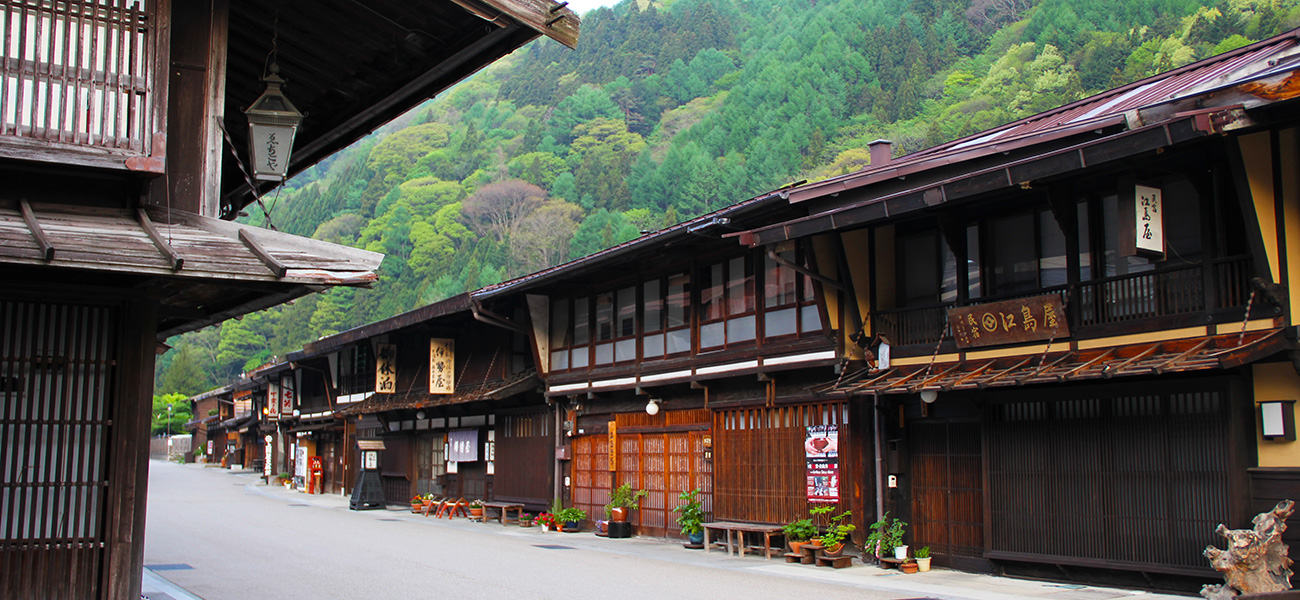
The Nakasendo Way is a historic 534-kilometer mountain highway connecting Tokyo (Edo) to Kyoto, one of five major roads established during Japan's Edo period (1603–1868). Unlike the better-known coastal Tokaido route, the Nakasendo winds through 69 post towns deep in the Japanese mountains, many of which retain their original wooden architecture and stone-paved streets. The most celebrated and well-preserved section runs through the Kiso Valley between the post towns of Magome and Tsumago, offering a compact and highly atmospheric introduction to the full route. Walking the Nakasendo is a rare opportunity to experience feudal-era Japan largely unchanged — forests, mountain villages, and centuries-old infrastructure that once served samurai, merchants, and pilgrims alike. For those with the time and stamina, the full multi-day trek remains one of Japan's most historically immersive long-distance walking experiences.
Who should go
History enthusiasts, serious hikers, and travelers seeking an escape from Japan's urban centers will find the Nakasendo deeply rewarding. The trail is best suited to those comfortable with moderate mountain terrain, multi-day trekking logistics, and staying in traditional minshuku or ryokan guesthouses with limited English support. The atmosphere is contemplative and often solitary, especially on weekdays and outside the busy autumn foliage season — a welcome contrast to crowded tourist sites. First-timers should consider starting with the Magome-to-Tsumago section (approximately 8km), which is the most accessible and scenic stretch of the entire route. Book accommodations in post towns as early as possible, as options are limited and fill quickly during spring and autumn peak seasons.
Good to know
No tickets are required to walk the Nakasendo — the route itself is free and publicly accessible year-round. Accommodation in post towns such as Magome, Tsumago, Narai, and Kiso-Fukushima should be booked directly with individual minshuku or ryokan, most of which require reservations by phone or email in Japanese; some list on booking.com or japanican.com for easier foreign-visitor access. Cash is essential throughout the Kiso Valley — carry enough yen before leaving major cities, as rural ATMs are scarce. The luggage-forwarding service between Magome and Tsumago operates seasonally (typically March–November) and costs around ¥1,000–¥1,500 per bag, making it highly recommended for day walkers. English signage is limited beyond the main Magome–Tsumago section, so download offline maps (Maps.me or Gaia GPS) and consider carrying a printed route guide.

This event was sourced and translated from Japanese by What's On Japan. Details may change — verify with the official source before attending.