What this is
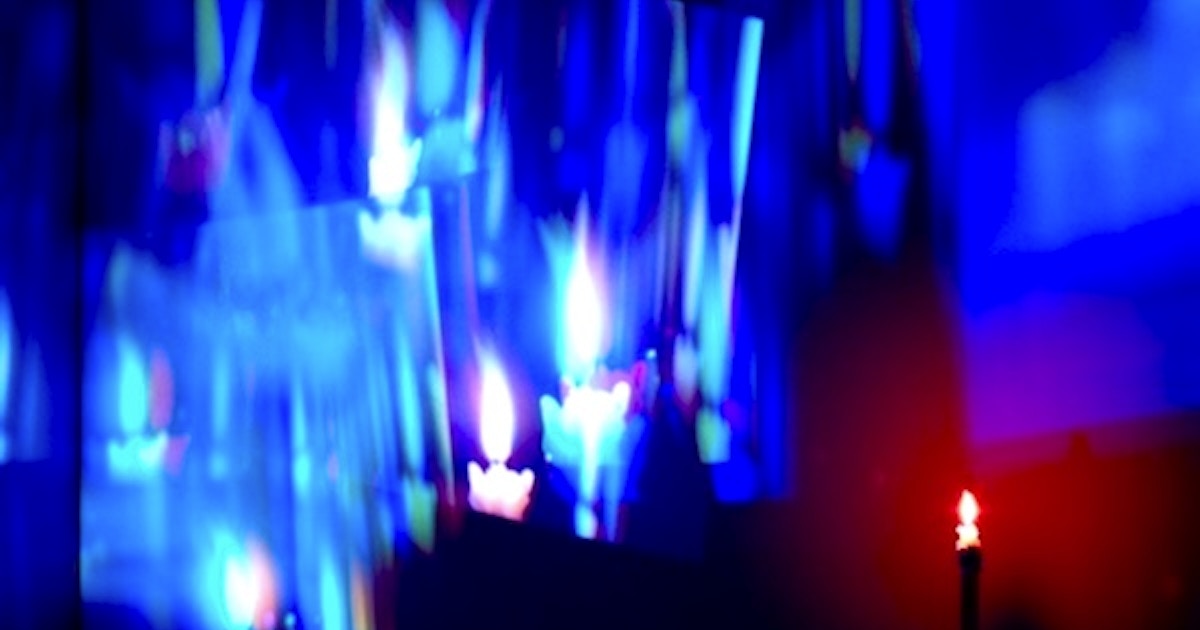
This major retrospective at Watari-um Museum of Contemporary Art marks the 20th anniversary of the death of Nam June Paik (1932–2006), widely regarded as the father of video art. The exhibition, titled 'Jugemu,' showcases his groundbreaking body of work that fused Eastern philosophical traditions with radical media technology — including CRT monitor sculptures, robots, satellite broadcasts, and laser installations. Paik was a central figure in the Fluxus movement and had a long relationship with Watari-um, which championed his work in Japan from its origins as Galerie Watari. This retrospective is a rare opportunity to experience the full arc of his visionary practice in one of Tokyo's most respected contemporary art spaces.
Who should go
This exhibition is ideal for contemporary art enthusiasts, media art fans, and anyone curious about the intersection of technology, philosophy, and artistic expression. Paik's work has a playful, sensory quality that makes it accessible to curious newcomers as well as seasoned art lovers. Fans of Fluxus, experimental music, and early electronic art will find this particularly rewarding. The intimate scale of Watari-um creates an immersive, unhurried experience well-suited to those who want to engage deeply with the works. Arrive on a weekday morning to avoid weekend crowds and have the space largely to yourself.
Good to know
Tickets are purchased at the venue box office on the day — no advance reservation is typically required for general admission at Watari-um, making it easy for walk-in visitors. The museum is a compact, multi-storey building in Shibuya's Gaienmae neighbourhood, with a capacity of only a few hundred visitors at a time, so it rarely feels overcrowded except on weekends. Cash is the safest payment option at the door, though card acceptance has improved at many Tokyo museums — bring yen to be safe. The museum's ground-floor shop, On Sundays, is a beloved Tokyo institution in its own right and is free to browse without a museum ticket. Show duration is self-paced; most visitors spend 60–90 minutes inside.
This event was sourced and translated from Japanese by What's On Japan. Details may change — verify with the official source before attending.