What this is
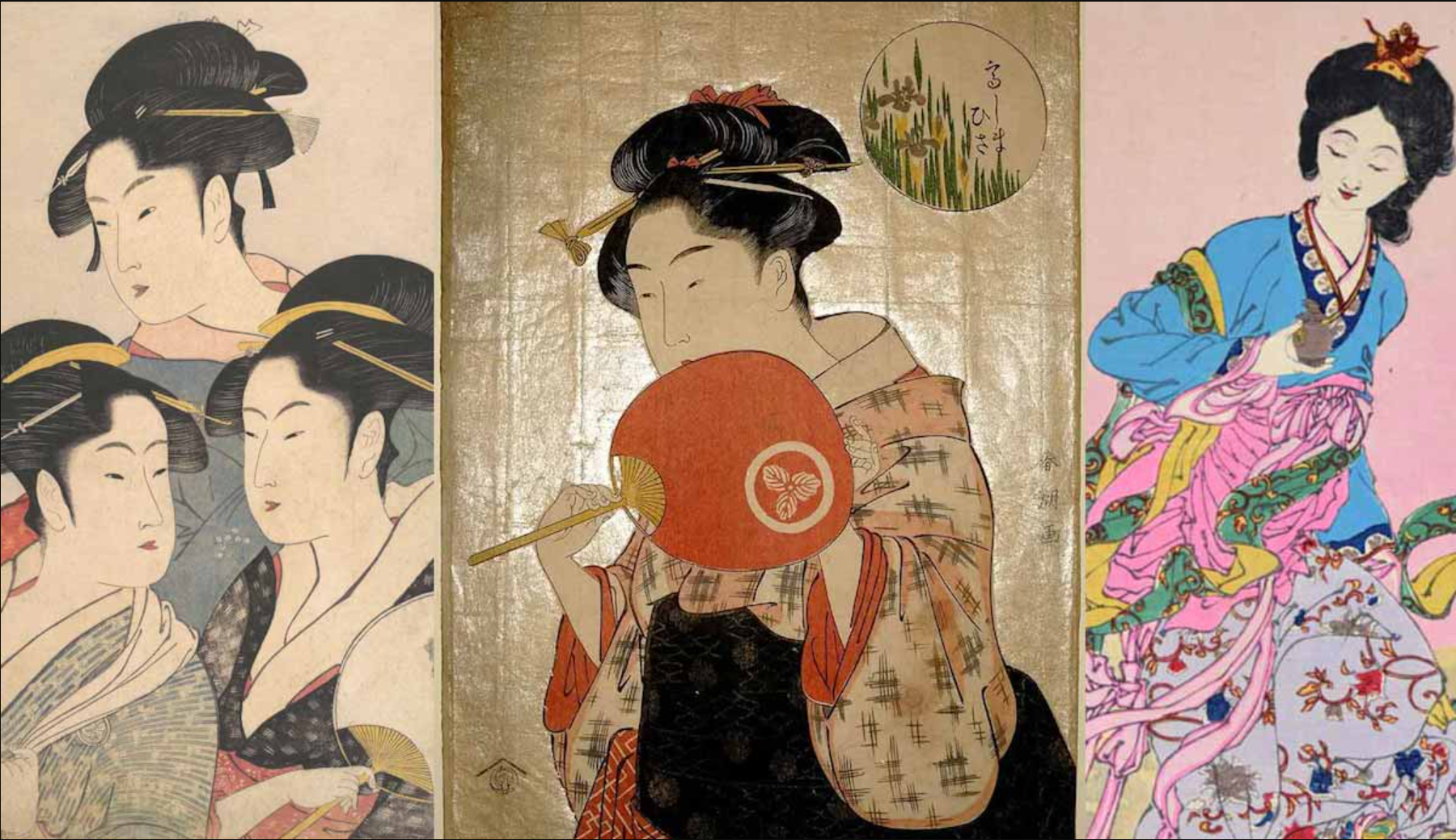
The Osaka Ukiyoe Museum's special exhibition focuses on bijinga — the ukiyo-e genre dedicated to depicting idealized beautiful women — one of the most celebrated and commercially successful subjects in Edo-period printmaking. The show brings together woodblock prints by five of the genre's defining masters: Utamaro, Hokusai, Hiroshige, Kuniyoshi, and Yoshitoshi, spanning the late 17th century through the 19th century. Bijinga captured not only feminine beauty but also the fashions, hairstyles, and social roles of women across different strata of Edo society, from courtesans to everyday townswomen. Seeing multiple masters' interpretations side by side offers a rare opportunity to trace how artistic conventions evolved and how individual styles diverged within a shared subject. Ukiyo-e prints were originally mass-produced consumer goods, yet the technical precision — sometimes requiring ten or more hand-carved woodblocks per image — makes them extraordinary objects to view up close.
Who should go
Art lovers and anyone with an interest in traditional Japanese aesthetics will find this exhibition particularly rewarding, especially those who know ukiyo-e primarily through Hokusai's landscapes and want to explore a different dimension of the form. Fashion historians, students of Japanese cultural history, and visitors curious about historical constructions of beauty and femininity in Japan will also find rich material here. The intimate museum format suits thoughtful, unhurried visitors rather than those looking for a large-scale spectacle. Arrive early on weekdays to enjoy the prints without crowds and to take full advantage of the close viewing distances the museum allows.
Good to know
Tickets are most reliably purchased at the museum's box office on the day; bring cash as the Osaka Ukiyoe Museum is a specialist institution and may not accept foreign credit cards or IC cards for admission. The museum is a dedicated ukiyo-e space, meaning the collection is curated and displayed with serious attention to print quality and lighting — take time to examine the layered colour gradations and embossing details that reproductions cannot convey. Bag check facilities may be limited, so travel light. The exhibition is likely to run for several weeks from the opening date, but visitor numbers can spike on weekends and public holidays, so a weekday visit is strongly recommended. Foreign visitors are welcome and the subject matter is visually accessible even without Japanese language ability, though English labelling may be limited — brushing up on the five featured artists beforehand will enrich the experience.
This event was sourced and translated from Japanese by What's On Japan. Details may change — verify with the official source before attending.