What this is
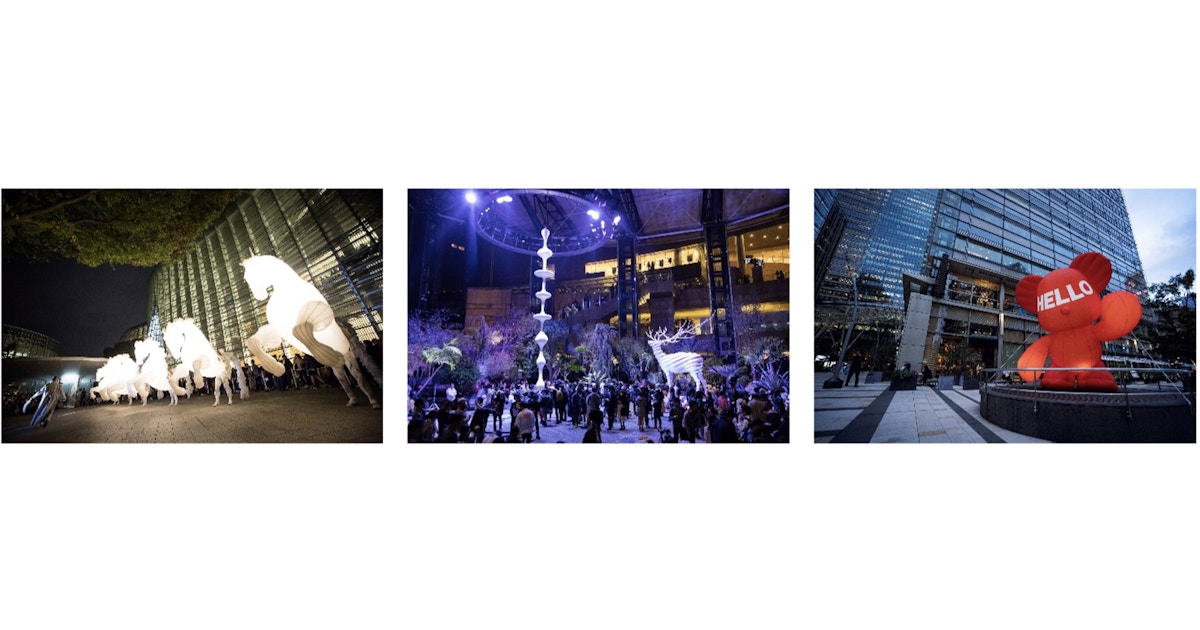
Roppongi Art Night is an annual citywide art festival that transforms Tokyo's Roppongi district into an open-air gallery spanning museums, cultural facilities, shops, and public spaces. The 2026 edition marks the 15th anniversary of the event and celebrates the return of all-night programming — from sunset to sunrise — after a three-year hiatus. This year features a landmark collaboration with Centre Pompidou Paris, bringing a curated focus on French contemporary art alongside works by both established and emerging Japanese and international artists. The festival encompasses contemporary art, design, music, film, and live performance, making it one of Tokyo's most ambitious and accessible annual cultural events.
Who should go
Contemporary art enthusiasts, design lovers, and culture-curious visitors will find this event deeply rewarding, but the accessible and free-roaming format means it genuinely suits anyone interested in experiencing Tokyo's urban landscape through a creative lens. The all-night structure means families can enjoy the early evening installations while night owls and dedicated art fans can push through to sunrise for a more atmospheric and crowd-thinned experience. The Centre Pompidou collaboration adds particular appeal for visitors with an interest in European contemporary art and cross-cultural dialogue. Wear your most comfortable walking shoes — the festival spans the entire Roppongi district and a full circuit of venues can easily cover several kilometres.
Good to know
The majority of outdoor installations and public space programming are free of charge, but ticketed venues such as Mori Art Museum, Suntory Museum of Art, 21_21 DESIGN SIGHT, and the National Art Center Tokyo each charge their own admission — tickets for these can be purchased at venue box offices or in advance via eplus.jp or pia.jp, both of which accept foreign credit cards. Mori Art Museum is located on the 53rd floor of Mori Tower and typically stays open through the night during Art Night, making it one of the most spectacular stops on the route. Tokyo Midtown and Roppongi Hills are large open complexes — pick up a printed venue map at any information booth on arrival, as phone signal can be patchy in underground passages. The event draws very large crowds in the early evening hours; if you want to experience the more contemplative, immersive side of the festival, aim to visit key installations between midnight and 4am. Cash is useful for food stalls and smaller pop-up vendors throughout the district, though major venue shops and cafés will accept cards.
This event was sourced and translated from Japanese by What's On Japan. Details may change — verify with the official source before attending.