What this is
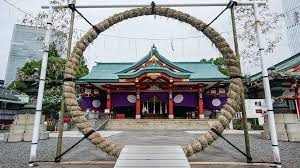
Sanno Matsuri is one of Tokyo's three great Edo-period festivals, held biennially by Hie Shrine in even-numbered years — meaning 2026 is a rare opportunity to witness it. Dating back to the early Edo period, it was one of the very few festivals granted permission to enter the grounds of Edo Castle, making it a celebration shared across all social classes from commoners to samurai. The festival centres on an elaborate procession of over 300 participants dressed in Heian-period court costumes, accompanied by portable shrines (mikoshi) and traditional musicians winding through the heart of central Tokyo. It represents a living thread connecting modern Tokyo to its identity as Edo, the shogun's capital, and the pageantry that once entertained the ruling class.
Who should go
History enthusiasts and culture seekers will find Sanno Matsuri deeply rewarding — few events in Tokyo offer such an authentic window into Edo-period ceremonial life played out against a backdrop of skyscrapers and modern streets. The atmosphere balances solemnity with festivity, as the grand procession creates a genuinely striking visual contrast between ancient costume and contemporary Akasaka and Marunouchi. Families will appreciate the accessible street-side viewing, and photographers will find the costumed participants and mikoshi highly photogenic. Arrive early along the procession route near Tokyo Station or Akasaka to claim a prime viewing spot before crowds build.
Good to know
The main procession (Shinkosai) is free to watch from the street and no tickets are required — simply find a spot along the designated route. Hie Shrine itself is a compact hilltop shrine in Akasaka accessible via a famous tunnel of torii gates; arrive at least 30–45 minutes before the procession departs to secure a front-row position. The festival runs across multiple days in mid-June with different ceremonies each day, including shrine rituals, mikoshi processions, and musical performances — check the official Hie Shrine website (hiejinja.net) for the exact daily schedule closer to the date. Cash is useful for purchasing food and goods from stalls that typically set up around the shrine precinct. As this is a Shinto religious ceremony as well as a public spectacle, respectful behaviour and modest dress are appreciated near the shrine grounds.
This event was sourced and translated from Japanese by What's On Japan. Details may change — verify with the official source before attending.