What this is
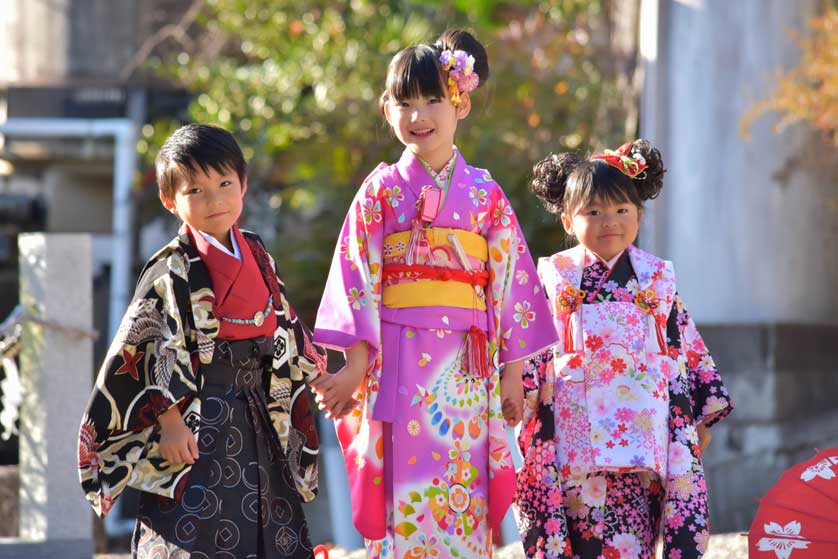
Shichi-Go-San (七五三, 'seven-five-three') is a traditional Japanese rite of passage celebrating children aged three, five, and seven, with the name reflecting those milestone ages. The custom dates to the Edo period and became widely practiced among commoners during the Meiji era, rooted in the belief that odd numbers are auspicious in Japanese culture. Families visit Shinto shrines to offer prayers for their children's continued health and growth, with girls typically participating at ages three and seven, and boys at ages three and five. Meiji Jingu — one of Tokyo's most revered and visited Shinto shrines — draws hundreds of families dressed in full traditional attire for ceremonial blessings on and around November 15 each year.
Who should go
This is a dream event for cultural enthusiasts, photographers, and anyone curious about living Japanese traditions, as the shrine grounds fill with children in vibrant kimono and boys in formal hakama accompanied by proud families. The atmosphere is warm, joyful, and deeply photogenic — one of the rare occasions where traditional dress is worn naturally rather than for tourist consumption. It is not a participatory event for visitors, but it offers an authentic and moving window into contemporary Shinto family life that few organized events can match. Arrive early morning — ideally by 9am — to see the highest concentration of families and avoid the midday crowds.
Good to know
Entry to Meiji Jingu's outer grounds is free and no ticket is required to observe the Shichi-Go-San atmosphere — the ceremonial blessings inside the main hall are private family rituals and not open to the public. Meiji Jingu is one of Tokyo's most visited shrines and can hold large crowds comfortably across its forested grounds, but the central courtyard near the main hall becomes congested between 11am and 2pm on peak days. Photography of the grounds and general scenes is permitted, but always seek consent before photographing individual families or children — most families are happy to oblige if asked politely. Cash is useful for omamori (amulets) and shrine goods sold near the main hall, as card acceptance is limited at smaller vendors inside the grounds.
This event was sourced and translated from Japanese by What's On Japan. Details may change — verify with the official source before attending.