What this is
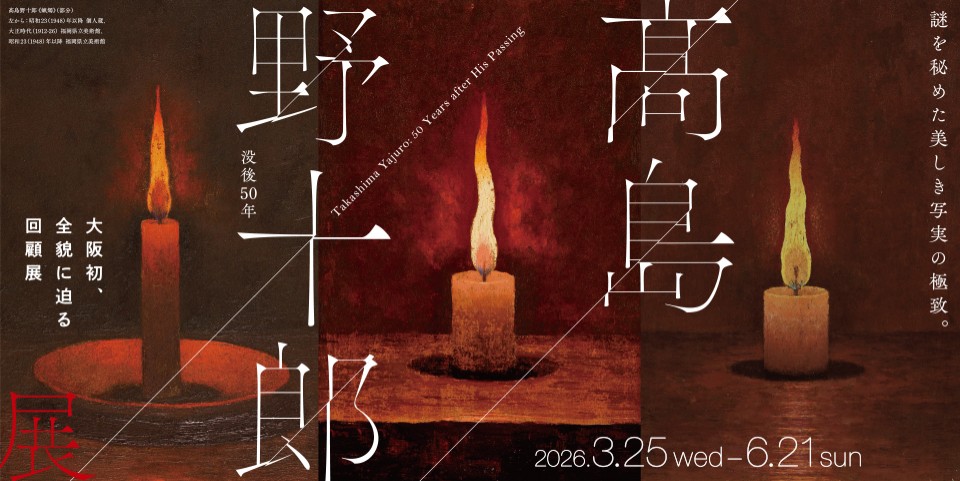
This commemorative exhibition marks fifty years since the death of Takashima Yajuro, a significant figure in Japanese art history whose contributions helped shape modern Japanese visual culture. The showcase presents a curated selection of his works, tracing his artistic evolution across decades of creative output. Held in Osaka — a city central to his development as an artist — the exhibition offers rare access to pieces drawn from private collections and institutional archives. The retrospective situates Takashima's practice within the broader movements of 20th-century Japanese art, making it a meaningful occasion for anyone interested in the period.
Who should go
Art enthusiasts with a genuine interest in modern Japanese painting will find this retrospective deeply rewarding, as will cultural historians and researchers focused on mid-20th century Japanese art movements. The exhibition suits visitors seeking engagement with Japan's artistic heritage beyond contemporary pop culture, offering archival depth rather than spectacle. Those studying regional artistic traditions or the evolution of Japanese visual culture will particularly appreciate the range of materials on display. Arrive early on weekdays to view the works in relative quiet, and look out for any available audio guides to gain fuller context on Takashima's life and legacy.
Good to know
Tickets are priced at ¥1,800 for adults (¥1,600 in advance or for groups) and ¥1,200 for university and high school students (¥1,000 in advance or for groups); junior high and elementary school students enter free. Advance tickets are worth purchasing to save on the door price and avoid queuing, and may be available through eplus.jp or pia.jp, both of which accept foreign credit cards — convenience store pickup at Lawson is the most reliable collection method for visitors without a Japanese delivery address. Museum exhibitions in Osaka typically run from around 10:00 to 17:00 or 18:00, with last entry 30 minutes before closing, so plan your visit accordingly. Photography policies vary by exhibition — check signage at the entrance, as works on loan from private collections are often restricted. Weekday mornings are the quietest time to visit and allow for unhurried viewing of archival materials.
This event was sourced and translated from Japanese by What's On Japan. Details may change — verify with the official source before attending.