What this is
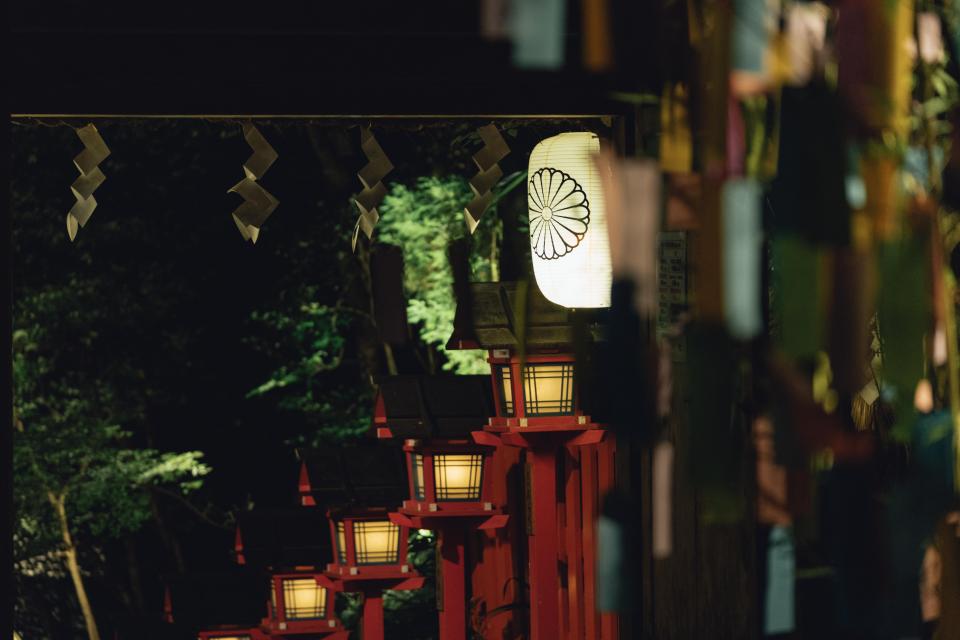
Tanabata is one of Japan's most beloved traditional festivals, rooted in the legend of two star-crossed deities — Orihime (Vega) and Hikoboshi (Altair) — who are separated by the Milky Way and permitted to meet only once a year on the seventh day of the seventh month. At Kifune-jinja Shrine in the northern Kyoto mountains, this celestial story comes to life through illuminated bamboo decorations and tanzaku — colourful strips of paper on which visitors write personal wishes and hang them from the bamboo branches. Kifune-jinja is one of Kyoto's most atmospheric and ancient shrines, dedicated to the deity of water and rain, and its forested riverside setting makes it an especially magical backdrop for a lantern and light event. The combination of Tanabata tradition and Kifune's natural beauty creates a uniquely immersive cultural experience that goes well beyond a typical city festival.
Who should go
This event is ideal for anyone drawn to traditional Japanese culture, romantic atmospheres, and scenic shrine settings away from the crowds of central Kyoto. Couples will find the star-crossed love story particularly resonant, while families with children will enjoy the hands-on tradition of writing wishes on tanzaku paper. Photography enthusiasts will appreciate the illuminated bamboo against the ancient stone lanterns and cedar trees of Kifune's famous stone-stepped approach. The event suits visitors who enjoy a slower, more contemplative pace rather than a loud festival atmosphere. Arrive before dusk to enjoy the shrine in daylight and stay as darkness falls to see the illuminations at their most striking.
Good to know
Kifune-jinja does not typically charge admission for general shrine visits, though some special events may have a small fee — check the shrine's official website closer to the date for confirmation. The shrine is small and the approach path is narrow, so it can feel intimate but also crowded during peak evening hours on weekends; a weekday visit is recommended if your schedule allows. There are no large bag storage facilities, so travel light. The surrounding Kibune area is famous for kawadoko — riverside dining platforms — and many restaurants along the valley road are open in the evenings, making a dinner reservation a natural complement to the illumination visit. Cash is advisable for any on-site purchases or offerings, as card acceptance at smaller shrine facilities is not guaranteed.
This event was sourced and translated from Japanese by What's On Japan. Details may change — verify with the official source before attending.