What this is
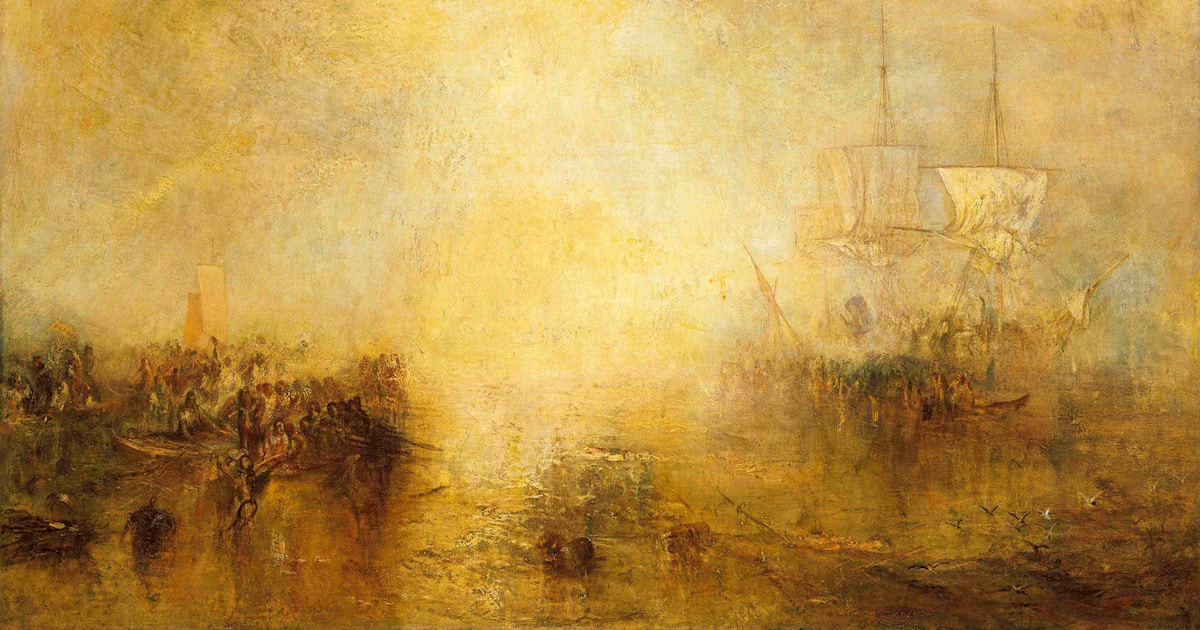
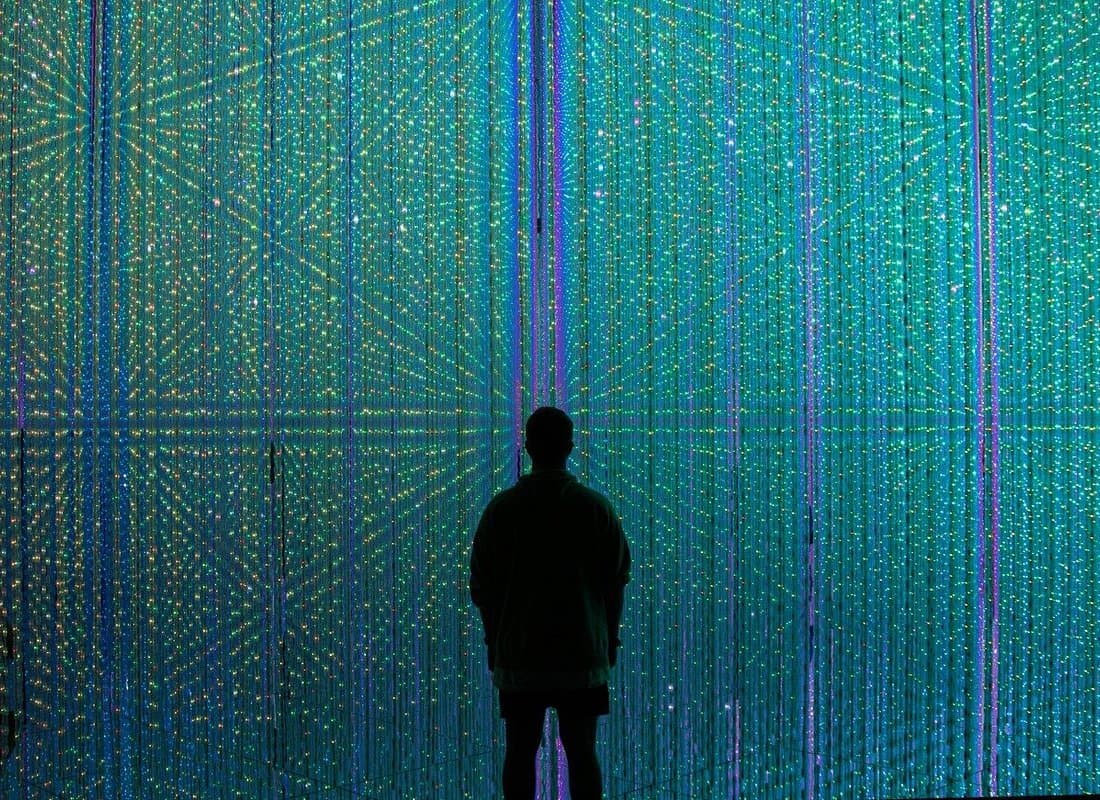
This major retrospective brings over 80 works from the Tate's world-renowned Turner collection to Tokyo's National Museum of Western Art, featuring oils and watercolors by J.M.W. Turner, the 19th-century British master celebrated for his revolutionary treatment of light, atmosphere, and the sublime. The exhibition is organized across a prologue and seven thematic chapters presented in loose chronological order, offering a structured yet immersive journey through Turner's artistic development. What makes this presentation especially distinctive is the deliberate pairing of Turner's works with contemporary artworks, creating a cross-generational dialogue that illuminates how his preoccupations — with nature, light, and emotional intensity — continue to resonate with artists working today. It is a rare opportunity to encounter such a depth of Tate holdings outside the UK, making this one of the most significant Western art exhibitions to visit Japan in recent years.
Who should go
This exhibition is ideal for art lovers, museum-goers, and anyone with an interest in Western art history or the relationship between classical and contemporary practice. The thematic, dialogue-based format makes it equally rewarding for casual visitors and those with deeper knowledge of Turner or modern art movements. Travelers who appreciate world-class museum experiences in a beautifully designed setting — the National Museum of Western Art is itself a Le Corbusier-designed UNESCO World Heritage building — will find this especially memorable. Arrive early on weekday mornings to enjoy the galleries without crowds, as weekend afternoons can become busy for high-profile international exhibitions.
Good to know
Tickets can be purchased at the museum box office or via online ticketing platforms such as e-plus (eplus.jp) or pia.jp, both of which accept foreign credit cards; convenience store pickup at Lawson is a reliable option for visitors without a Japanese delivery address. The National Museum of Western Art (国立西洋美術館) is located in Ueno Park and has a capacity suited to large-scale international exhibitions — expect a calm, gallery-style atmosphere with clearly labeled rooms. Photography policies vary by exhibition at this venue, so check signage at the entrance; flash photography and tripods are typically prohibited. The museum is closed on Mondays (or the following Tuesday if Monday is a public holiday), so plan accordingly. Arriving at opening time (typically 9:30 AM) on a weekday is the best strategy for a relaxed experience with this caliber of exhibition.
This event was sourced and translated from Japanese by What's On Japan. Details may change — verify with the official source before attending.