What this is
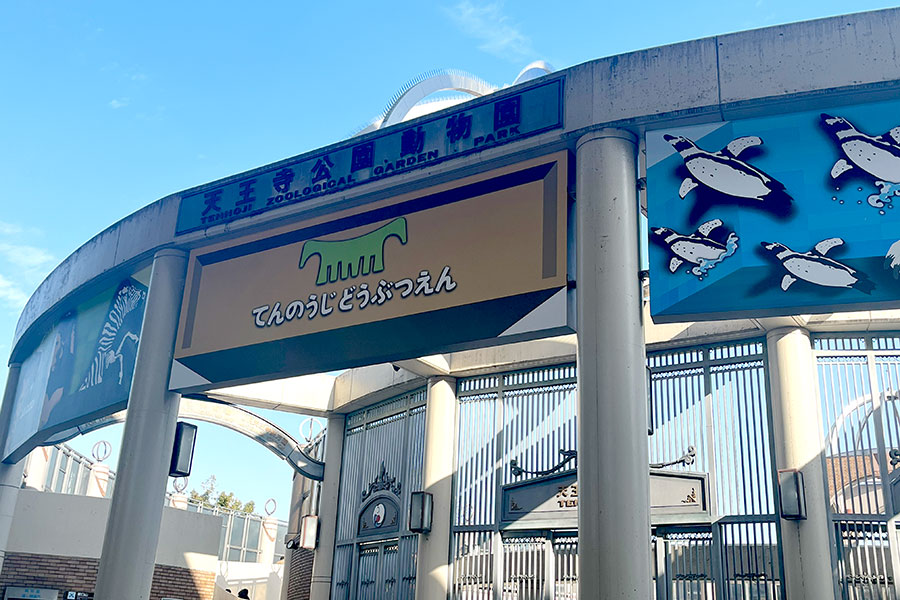
Tennoji Zoo is one of Japan's oldest zoological institutions, founded in 1915 within Osaka's historic Tennoji Park. The zoo is home to over 1,000 animals representing approximately 200 species, housed in naturalistic enclosures designed to reflect their native habitats. Effective July 1, 2026, the zoo is implementing an admission price increase to fund ongoing improvements to animal welfare, visitor facilities, and conservation initiatives. This marks a notable shift for an institution that has long been celebrated as one of Osaka's most accessible and affordable family destinations. The price adjustment reflects the zoo's commitment to maintaining world-class standards while continuing to serve the community after more than a century of operation.
Who should go
Families with children will find Tennoji Zoo an engaging and educational day out in the heart of Osaka, with animals from African savannas, Asian rainforests, and polar regions on display. Animal enthusiasts and nature lovers will appreciate the thoughtfully designed enclosures that prioritize naturalistic habitats. International visitors looking for a relaxed, family-friendly break from temple and shrine touring will find the zoo a refreshing change of pace. Visit on weekdays to avoid weekend crowds and enjoy more relaxed, up-close animal viewing.
Good to know
Admission tickets can be purchased at the zoo's entrance gates — foreign credit cards are increasingly accepted at major Osaka city-operated attractions, but carrying cash (yen) is recommended as a backup. Tennoji Zoo spans a sizeable area within Tennoji Park, so comfortable walking shoes are advised and a full visit typically takes two to three hours. The zoo is operated by Osaka City, meaning pricing is set institutionally and the July 2026 increase is the first significant adjustment in some time. Lockers and stroller rentals are available on-site, making it practical for visitors with young children. Arriving at opening time (typically 9:30 AM) gives you the best chance of seeing animals at their most active before tour groups and school parties arrive.
This event was sourced and translated from Japanese by What's On Japan. Details may change — verify with the official source before attending.