What this is
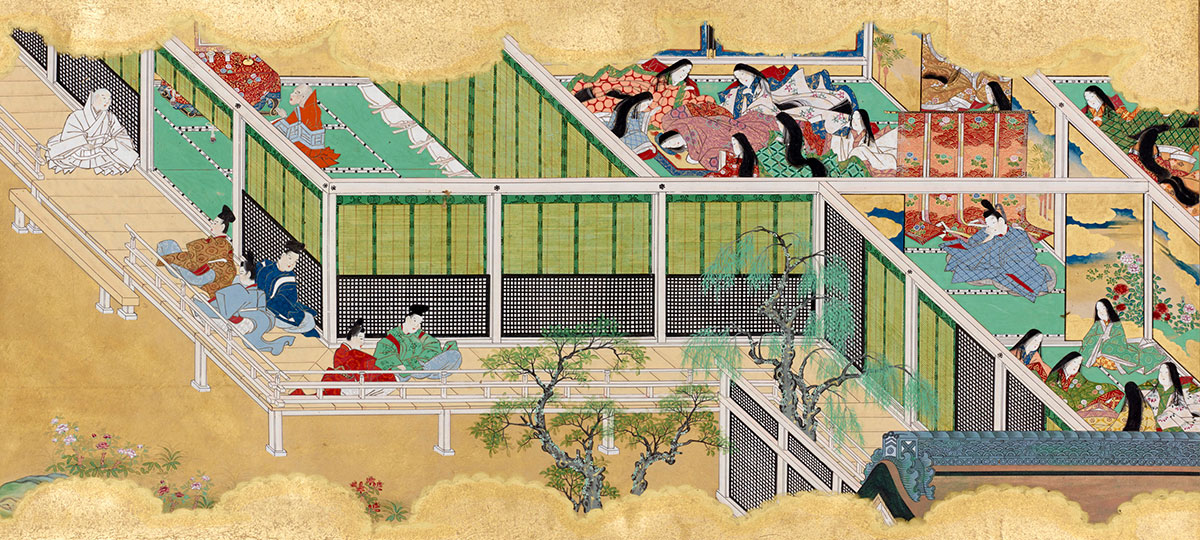
This special exhibition at the Kyoto National Museum explores the golden age of Japanese imperial culture through the lens of The Tale of Genji, widely regarded as one of the world's oldest novels. Written by court lady Murasaki Shikibu around the year 1000 CE, the tale offers an unparalleled window into the refined aesthetics, rituals, and social hierarchies of Heian-period Japan. The exhibition showcases masterpieces — likely including painted scrolls, lacquerware, textiles, and calligraphy — that illuminate the courtly traditions and visual culture that the novel both reflected and inspired. For anyone interested in classical Japanese literature, art history, or the origins of Japanese aesthetic sensibility, this is a rare opportunity to encounter these themes through museum-quality works in the city where much of that culture was born.
Who should go
This exhibition is ideal for lovers of Japanese history, classical literature, and fine art who want to go beyond temples and shrines and engage with Japan's intellectual and courtly heritage. Art historians, literature enthusiasts, and anyone who has read or is curious about The Tale of Genji will find the experience deeply rewarding. The atmosphere at the Kyoto National Museum is calm and scholarly, making it equally suitable for solo visitors seeking quiet contemplation and couples looking for a culturally rich afternoon. Families with older children interested in Japanese history will also appreciate the context. Arrive early on weekdays to avoid school group visits and weekend crowds.
Good to know
Tickets for special exhibitions at the Kyoto National Museum are sold at the venue box office and increasingly through online pre-booking on the museum's official website — foreign credit cards are generally accepted at the box office. The museum's Heisei Chishinkan wing, designed by Taniguchi Yoshio, is the main special exhibition space and is modern, spacious, and fully accessible. Photography policies vary by exhibition and are typically posted at the entrance — assume no photography unless signage indicates otherwise. The museum café and gift shop are worth visiting; the shop often stocks high-quality reproductions and Genji-themed goods that make excellent souvenirs. English-language wall text is usually provided for major special exhibitions, but depth varies, so downloading a background reading on The Tale of Genji beforehand will significantly enrich your visit.
This event was sourced and translated from Japanese by What's On Japan. Details may change — verify with the official source before attending.