What this is
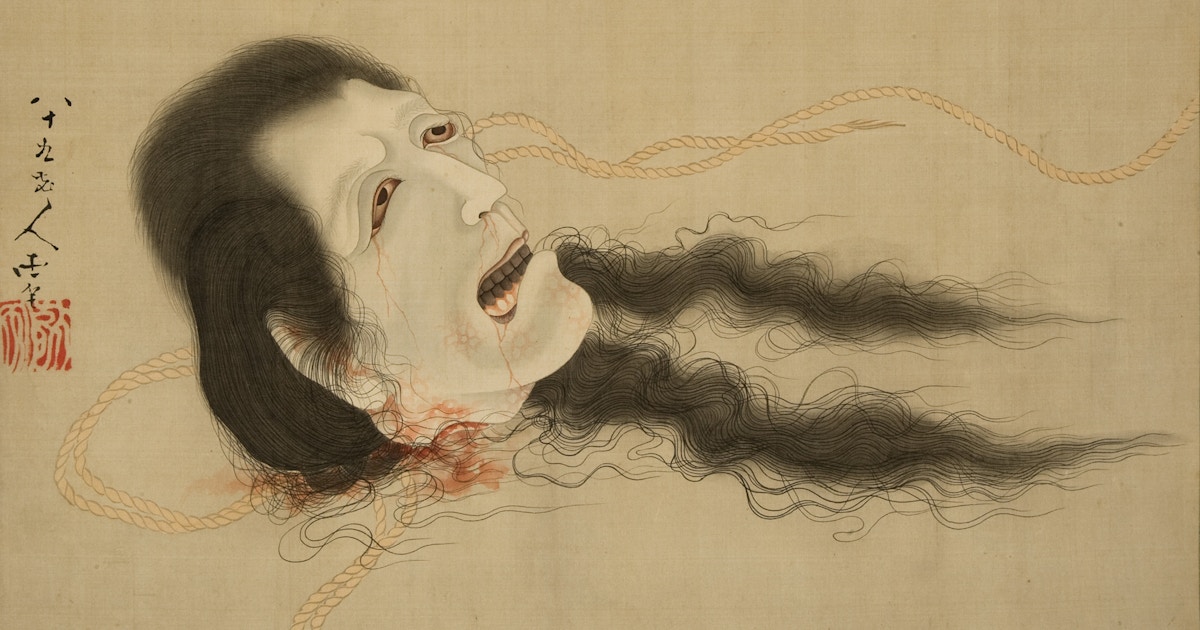
Ukiyo-e Hyaku Monogatari is a special exhibition at the Hokusai Museum in Tokyo showcasing over 100 works by the legendary ukiyo-e master Katsushika Hokusai, centred on the theme of the supernatural. The show draws its name and inspiration from the Edo-period parlour game 'Hyaku Monogatari Kaidankai' — One Hundred Ghost Stories — in which participants would gather by candlelight, each taking turns to tell a tale of the uncanny. Hokusai was deeply fascinated by ghosts, yokai, and the eerie, producing some of the most chilling and visually arresting supernatural imagery in Japanese art history. This exhibition brings together that body of work in one place, offering a rare opportunity to trace how fear, folklore, and artistic genius intersected in classical Japan.
Who should go
This exhibition is ideal for anyone with an interest in Japanese art, folklore, or the history of horror and the supernatural across cultures. Fans of Hokusai's iconic work — from The Great Wave to his lesser-known ghost prints — will find this a revelatory deep-dive into a darker side of his genius. It also appeals strongly to visitors curious about Edo-period culture, anime and manga fans who want to trace the roots of Japan's enduring yokai tradition, and travellers looking for a genuinely distinctive museum experience beyond the standard sightseeing circuit. Arrive early on weekday mornings to enjoy the galleries without crowds, as weekend afternoons can get busy.
Good to know
Tickets are available at the Sumida Hokusai Museum box office on the day of your visit — no advance booking is typically required for standard exhibitions, making this easy for spontaneous visitors. The museum accepts both cash and major credit cards at the ticket counter, and foreign cards are generally accepted. The Sumida Hokusai Museum is a compact, modern facility with a calm, well-lit interior suited to unhurried viewing; the permanent collection is on a separate floor from special exhibitions, so budget time for both. Arrive at opening time (10:00) on a weekday for the quietest experience — the museum draws a mix of locals and international visitors and can feel crowded on weekends. English-language signage and exhibition materials are typically available, making this one of the more accessible Tokyo art museums for non-Japanese speakers.
This event was sourced and translated from Japanese by What's On Japan. Details may change — verify with the official source before attending.