What this is
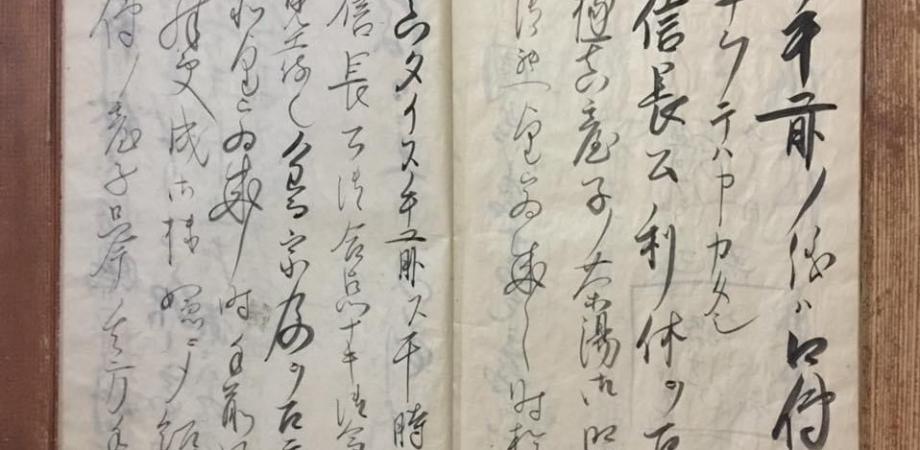
This academic lecture examines the tea transmission teachings of Sugiki Fusai, one of the four most accomplished disciples of Sen no Sōtan — a pivotal figure in the development of Japanese tea ceremony during the Edo period. The session focuses on Fusai's handwritten manuscripts and the wabi-tea philosophy that defined Sōtan's lineage, offering rare scholarly insight into a formative chapter of chanoyu history. Sōtan's four disciples, known as the 'Four Heavenly Kings,' each carried his teachings into distinct schools, and Fusai's transmission represents a particularly significant thread in that legacy. Conducted as a roundtable discussion, the event brings together practitioners and scholars from multiple tea schools to examine these historical texts and their continuing relevance to tea practice today.
Who should go
This lecture is best suited to serious students of chanoyu, scholars of Japanese cultural history, and tea ceremony practitioners who want to deepen their understanding of wabi-tea philosophy beyond their own school's tradition. The roundtable format creates an intimate, discussion-driven atmosphere — expect engaged participants rather than passive audience members. Because practitioners from all schools are welcome, this is a rare opportunity for cross-school dialogue that is seldom available in the typically compartmentalized world of Japanese tea. Some foundational knowledge of tea ceremony history will help you get the most from the discussion. Arrive a few minutes early to settle in and review any provided materials before the session begins.
Good to know
Tickets are priced at ¥4,000 — check the event organiser's website or eplus.jp for booking, as smaller academic lectures in Tokyo often use eplus or direct bank transfer payment, which may require a Japanese bank account or convenience store payment via Lawson or FamilyMart. Foreign credit cards may not be accepted for all payment methods, so confirm options in advance and consider convenience store pickup if available. The Roppongi venue is likely a small seminar or gallery space, so capacity will be limited — early registration is advisable as these niche scholarly events can sell out quietly among specialist communities. The session is conducted in Japanese, so non-Japanese speakers should be aware that no English interpretation is likely to be provided unless stated by the organiser. Bring a notebook; the roundtable format typically encourages active participation and note-taking.
This event was sourced and translated from Japanese by What's On Japan. Details may change — verify with the official source before attending.