What this is
The Vienna Boys Choir (Wiener Sängerknaben) is one of the world's oldest and most celebrated choral ensembles, with roots tracing back to 1498 when Holy Roman Emperor Maximilian I established the Imperial Court Music Chapel in Vienna. Comprising boys aged roughly 10 to 14, the choir is renowned for its pure, crystalline sound and vast repertoire spanning Renaissance polyphony, classical masterworks, folk songs, and contemporary pieces. The ensemble tours internationally throughout the year, divided into four touring choirs named after famous Austrian composers. A Tokyo performance represents a rare opportunity to witness this living piece of European musical heritage in person, drawing classical music lovers and families alike.
Who should go
This concert is ideal for classical music enthusiasts, families with children who have an interest in music or performance, and anyone seeking a refined cultural experience in Tokyo. The atmosphere is formal yet welcoming, with a mixed audience of seasoned concertgoers and curious newcomers. The choir's accessible and varied programme — often blending sacred music, waltzes, and folk songs — makes it enjoyable even for those unfamiliar with classical repertoire. Dress smartly; while a full formal dress code is not enforced, smart casual is the norm at this type of concert.
Good to know
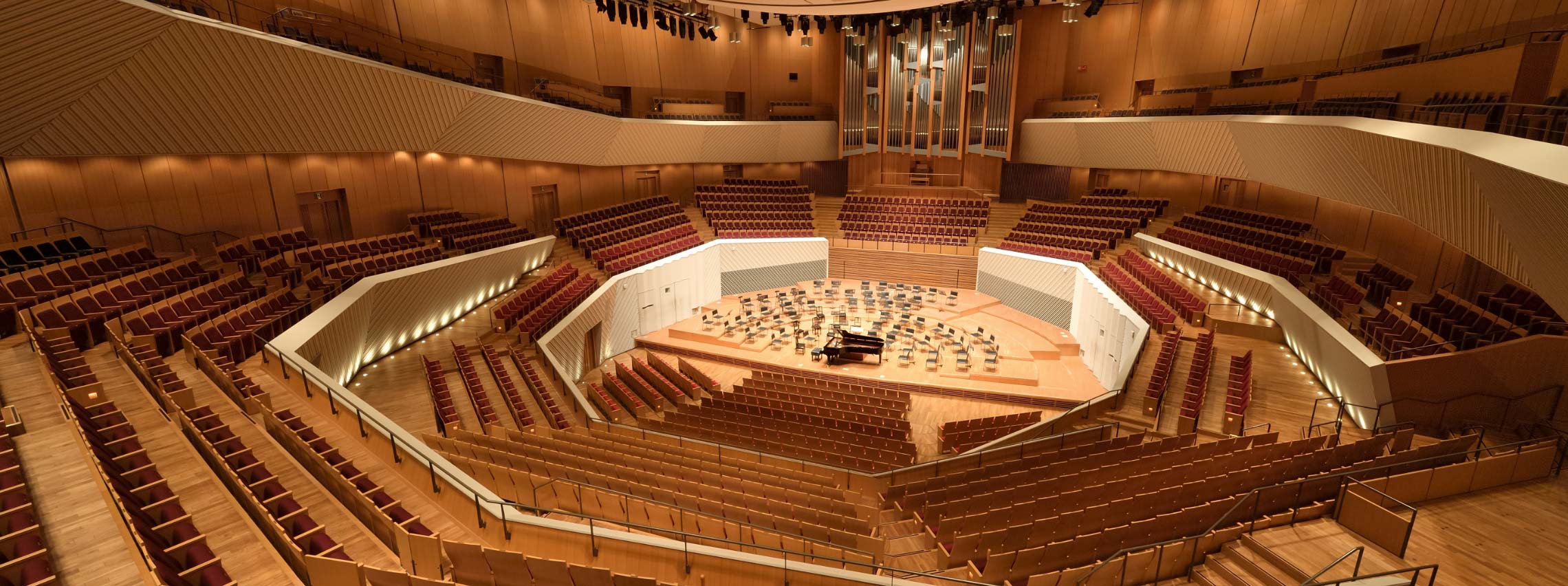
Tickets are most reliably purchased via eplus.jp or pia.jp, both of which accept foreign credit cards; convenience store pickup at Lawson or FamilyMart is the most practical collection method for visitors without a Japanese delivery address. Vienna Boys Choir Tokyo concerts are typically held at mid-sized classical venues such as Tokyo Bunka Kaikan or Suntory Hall, which are seated and offer excellent acoustics — confirm the exact venue when booking. Photography and video recording are almost always prohibited during the performance itself, though some ensembles permit photos before or after. The concert duration is typically around 90 minutes to two hours including an interval, so plan your post-concert transport accordingly. Programmes are usually printed in Japanese with some English notes, but the musical experience transcends language barriers entirely.
This event was sourced and translated from Japanese by What's On Japan. Details may change — verify with the official source before attending.