Planning a Trip to Japan's Art Islands: Naoshima, Teshima, Inujima
By Adrian
The Seto Inland Sea contains more than 700 islands. Three of them — Naoshima, Teshima, and Inujima — have become something genuinely unusual: a functioning contemporary art ecosystem built into fishing villages, abandoned industrial sites, and terraced hillsides, drawing visitors from across the world who come specifically for the art rather than incidentally encountering it.
This is not a museum district. The works are embedded in the landscape. You walk between them. The ferry schedule determines your day. Getting this right requires more planning than a typical museum visit — and rewards it proportionally.
What Is the Naoshima Art Island?
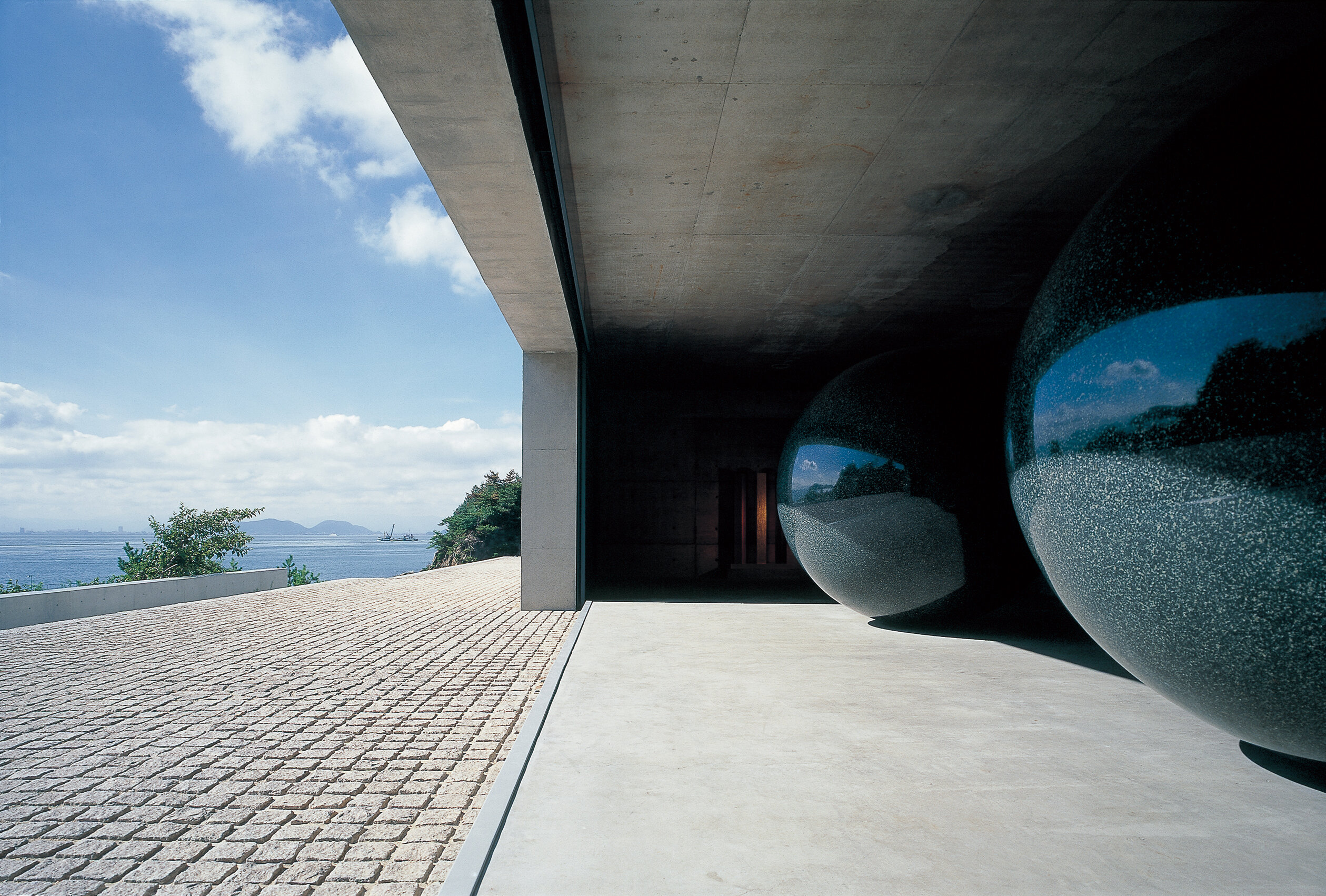
Naoshima is the anchor of the three islands and the most visited. Its transformation began in 1992 when the Fukutake Foundation — now operating as Benesse Holdings — commissioned Tadao Ando to design a hotel and museum integrated into a hillside facing the sea. That building became the Benesse House Museum, and it established the model that would define Naoshima: serious contemporary art, serious architecture, and a deliberate slowness that runs counter to how most people travel in Japan.
The island covers roughly 14 square kilometres. The art is concentrated in two areas: Honmura, a traditional village where artists have converted old houses into site-specific installations, and the Benesse area in the south, where the major museums sit within walking distance of each other on a forested hill above the coast.
The Museums of Naoshima
Benesse House Museum is both a hotel and a museum, which means that overnight guests can view the permanent collection at hours when day visitors cannot. The collection includes work by Bruce Nauman, Richard Serra, Hiroshi Sugimoto, and Cindy Sherman, displayed in spaces that open directly to the sea. Ando's architecture — exposed concrete, controlled light, calculated views of water — is itself part of the experience.
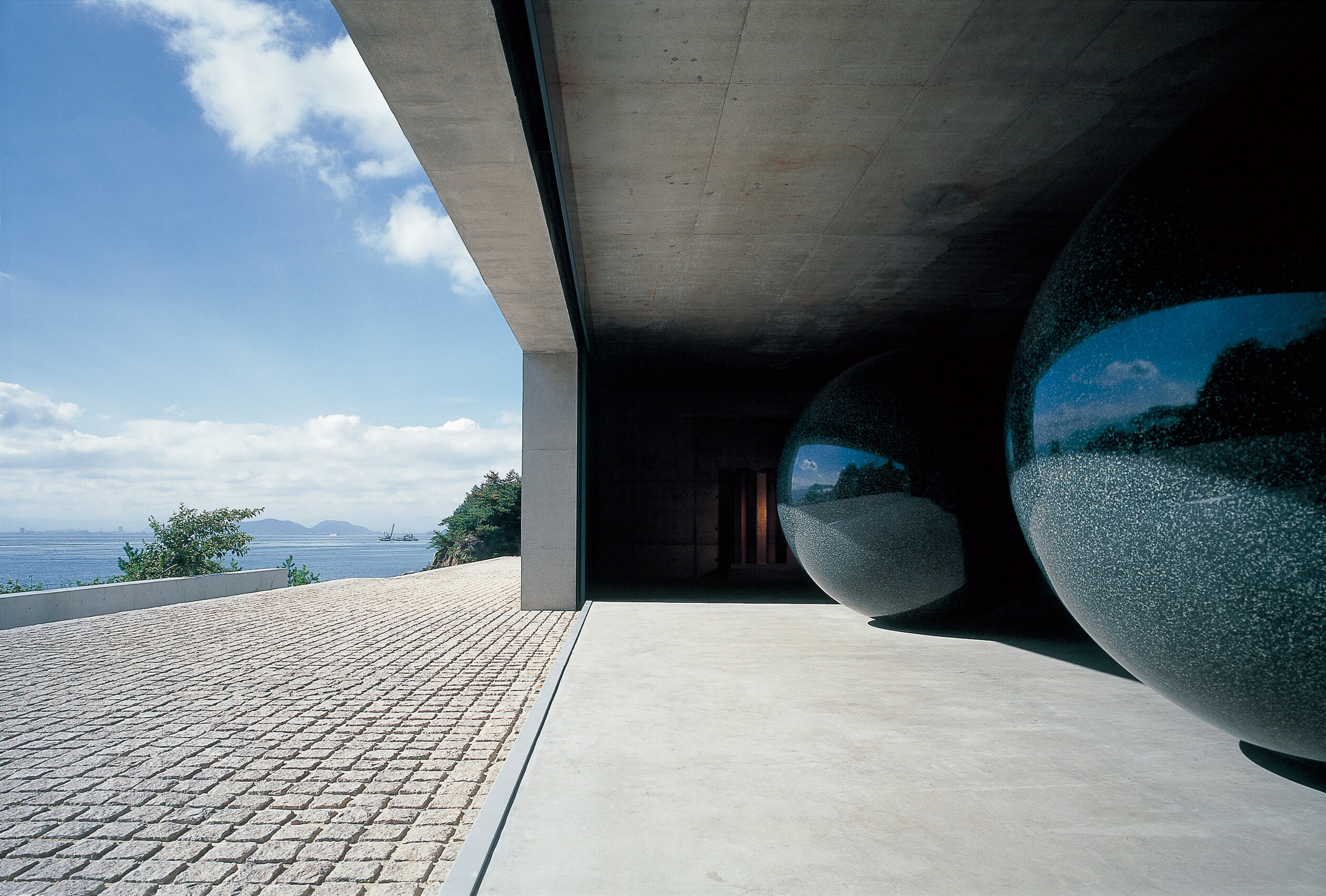
Chichu Art Museum sits underground. Ando designed it so that natural light, entering through geometric openings in the ceiling, is the only light source. The permanent collection consists of five works: three Claude Monet Water Lilies paintings displayed in a white marble room sized specifically for them, two James Turrell light installations, and a Walter De Maria room containing 125 granite spheres. The admission is timed and limited. Booking in advance is not optional — the museum sells out weeks ahead during peak season.
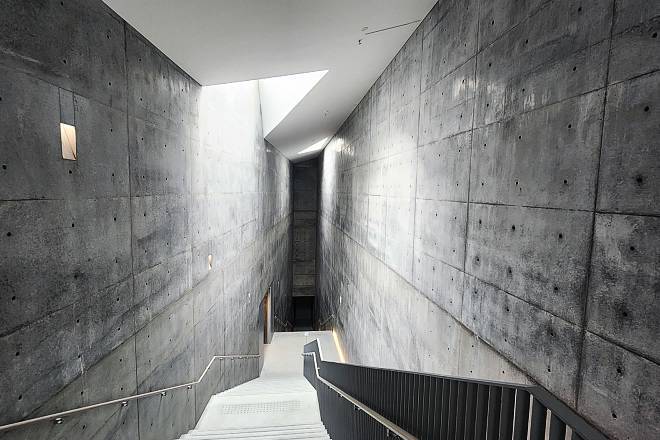
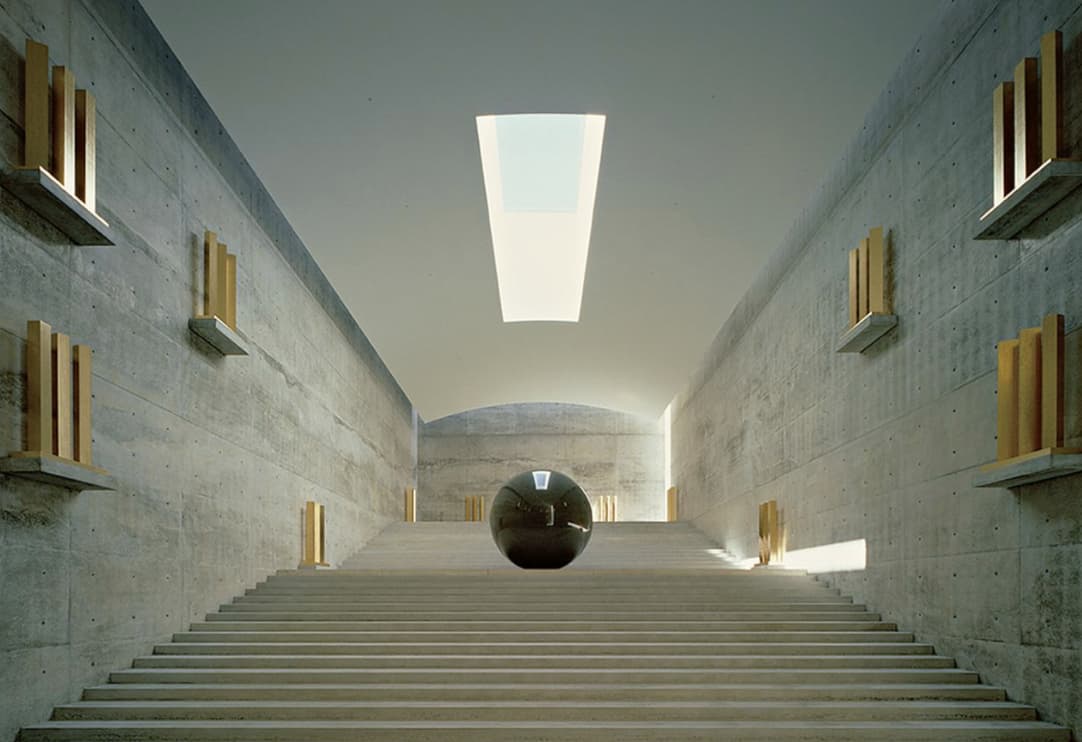
Lee Ufan Museum opened in 2010, also designed by Ando, dedicated entirely to the Korean-Japanese artist whose practice of placing carefully chosen objects in precise relationship to negative space translates extraordinarily well to the concrete volumes and natural light of an Ando building.
The Naoshima Bath — I♥湯 is a public bathhouse designed by artist Shinro Ohtake that functions as both art installation and working sento. The name in Japanese, "I♥湯" is a play on words. It sounds like "I love you" in English but in Japanese, "yu/湯" means bath. It costs a few hundred yen to enter and use. Super fun, highly recommended!
The Art House Project: Honmura Village
The Art House Project began in 1998 when the Benesse Foundation started acquiring and converting abandoned houses in Honmura, the island's oldest settlement, commissioning artists to create permanent site-specific works within them. There are now seven houses open to visitors.
Kadoya, the first, contains a Tatsuo Miyajima installation of LED counters submerged in a shallow pool of water fed from a natural spring. The counters — 125 of them — count from one to nine and back, each at a different speed, none ever reaching zero. Local residents were involved in setting the speeds.
Go'o Shrine involved Hiroshi Sugimoto encasing the ancient shrine staircase in optical glass, creating a step you can descend into the ground beneath the shrine's main structure. It is more unsettling than it sounds.
Minamidera is a Turrell work. You enter a completely dark room and wait for your eyes to adjust. What eventually becomes visible is not what you expect. Allow time for this one — rush it and you will miss the point entirely.
The houses are scattered through the village and require walking between them on narrow lanes. The combined ticket covers most of them. Kadoya is a short walk from the ferry terminal; the others require fifteen to twenty minutes on foot or a bicycle.
Teshima: The Water Museum and the Slowest Island
Teshima is quieter than Naoshima and more difficult to reach — there is no direct ferry from the mainland, so most visitors come via Naoshima or Uno Port with a connection. This filters the crowd. On Teshima you are unlikely to feel rushed.
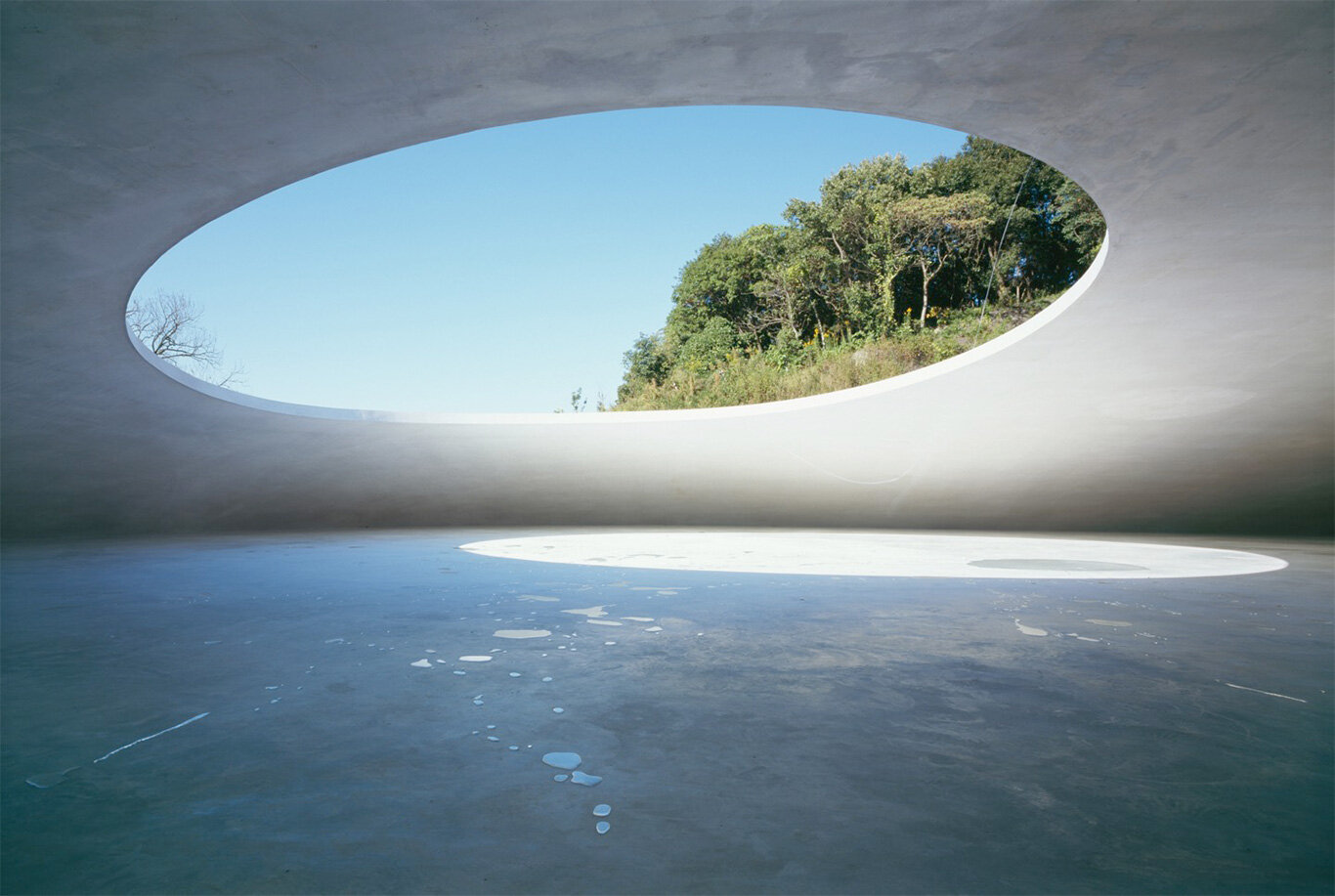
Teshima Art Museum is the centrepiece. Designed by architect Ryue Nishizawa with artist Rei Naito, it is a single continuous shell of concrete — no straight lines, no columns — rising from a rice terrace. Two elliptical openings in the ceiling admit light, wind, and occasionally rain. The interior contains nothing except water: tiny beads of water emerge from the floor, move slowly across the surface, gather, merge, and eventually return to the ground. The work is called Matrix. You sit on the floor and watch it. There is no correct amount of time to spend here. Many people stay for an hour.
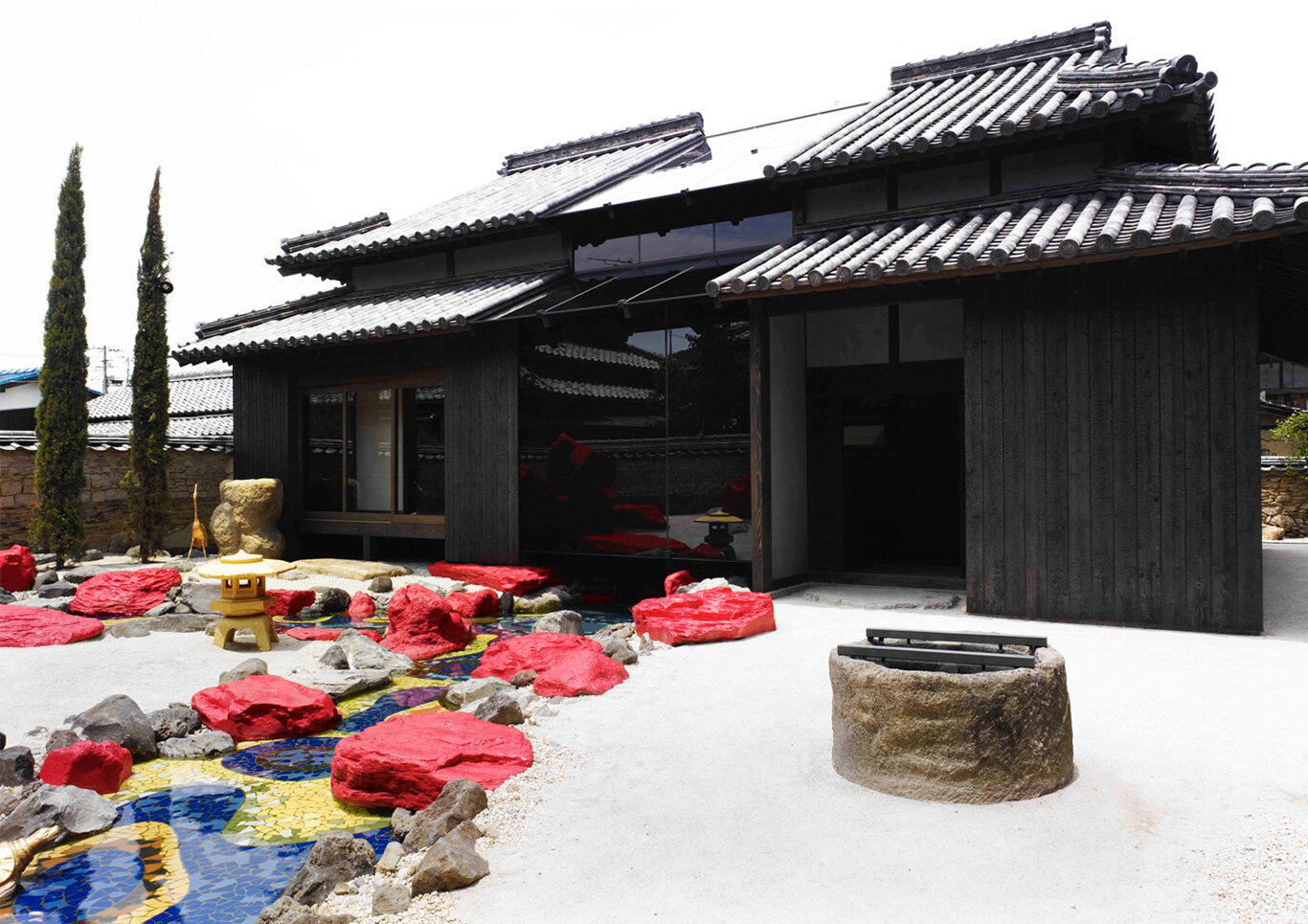
Teshima Yokoo House was designed by Tadanori Yokoo inside a traditional kominka. It is deliberately disorienting — rooms of intense colour, found objects, mirrors, and a garden with a red pool. Where the Teshima Art Museum asks for quiet attention, Yokoo House is maximalist and strange.
The island also has a history worth understanding. In the 1990s, Teshima was the site of one of Japan's most serious illegal dumping scandals — thousands of tonnes of industrial waste were buried on the island over many years. The cleanup took until 2017. The Benesse Foundation's decision to bring art to Teshima was partly a response to this history, and some of the works engage with it directly.
Inujima: The Smallest Island and the Seirensho Museum
Inujima is the smallest of the three, walkable in under an hour. The permanent population is under a hundred people. The ferry from Okayama's Hoden Port takes about ten minutes.
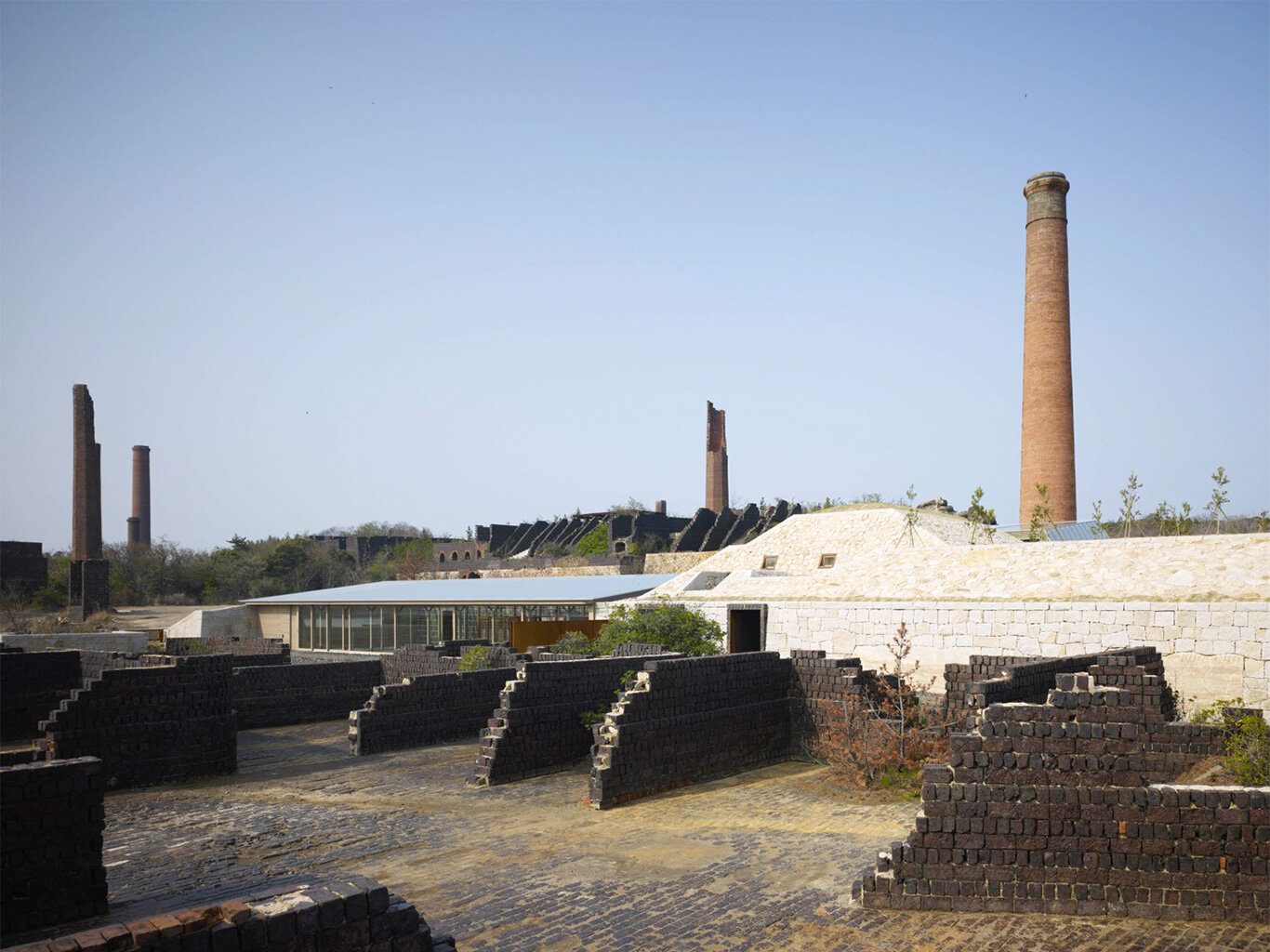
Inujima Seirensho Art Museum is built within a copper refinery that operated from 1909 to 1919 and was abandoned when copper prices collapsed. The artist Yukinori Yanagi and architect Hiroshi Sambuichi chose not to demolish or fully restore it. The museum is threaded through the ruins — chimneys, furnace structures, and brick walls remain — and the building is designed to be entirely climate-controlled by passive systems: no mechanical heating or cooling, using only solar energy and the chimney effect of the original refinery structures.
Inside, Yanagi's installation uses materials from the demolished house of novelist Mishima Yukio and images referencing the Meiji modernisation period. It is one of the more politically and historically engaged works in the Setouchi network.
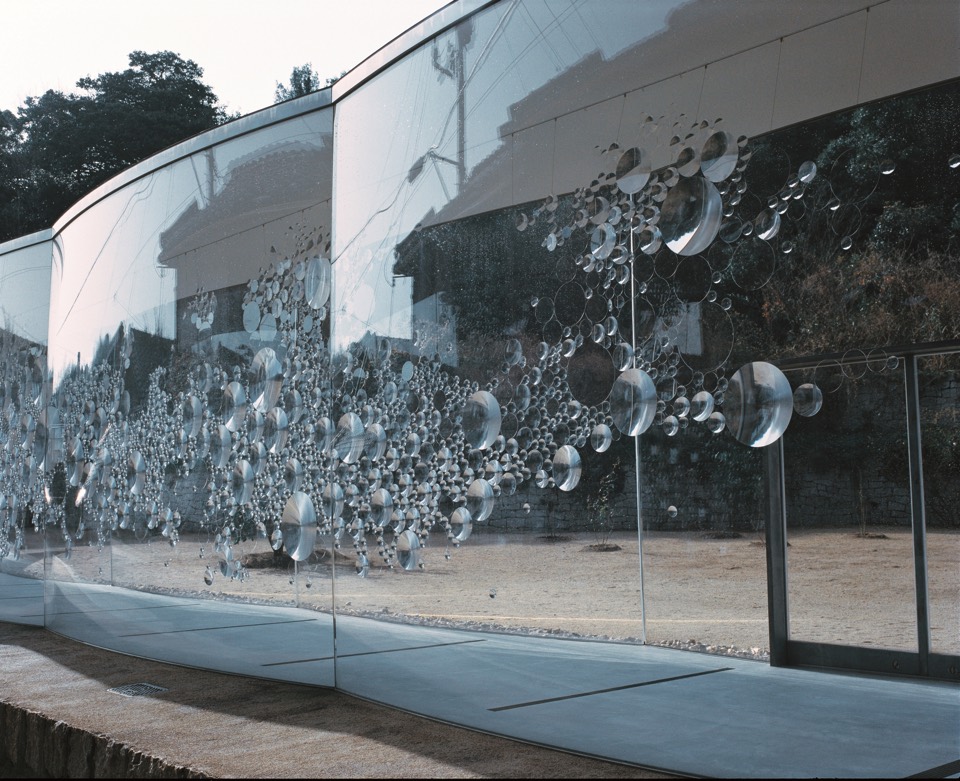
Inujima Art House Project runs on the same model as Naoshima's, with several converted houses containing site-specific works scattered through the village.
The Setouchi Triennale: What It Is and When It Runs
The Setouchi Triennale is a contemporary art festival held across twelve islands in the Seto Inland Sea, running in three sessions: spring, summer, and autumn. It takes place every three years — the most recent editions were in 2019, 2022, and 2025.
During Triennale years, the three major art islands — Naoshima, Teshima, and Inujima — host additional temporary works alongside their permanent collections. Other islands that are otherwise difficult to visit or have limited facilities open specifically for the festival period, including Ogijima, Megijima, Shodoshima, and Oshima.
The Triennale brings significantly larger crowds. If you are visiting during a Triennale year, book accommodation on Naoshima months in advance. If you are visiting outside a Triennale year, the permanent collections remain open and the islands are considerably quieter — which for some works, particularly Chichu and the Teshima Art Museum, is the better experience.
The next Triennale is scheduled for 2028.
How to Get to the Art Islands
The gateway cities are Okayama and Takamatsu. Both are on the Shinkansen network — Okayama is approximately 45 minutes from Osaka, Takamatsu is accessible via the Marine Liner train from Okayama in under an hour.
From Uno Port (near Okayama), ferries run to Naoshima in approximately 20 minutes. From Takamatsu Port, the crossing to Naoshima takes about an hour.
Inter-island ferries connect Naoshima, Teshima, and Inujima, but the schedules are limited — typically four to six crossings per day depending on the season. The ferry timetable should be the first thing you download when planning this trip. Missing the last ferry has real consequences on small islands with few accommodation options.
Getting around the islands: Naoshima has a small bus connecting the ferry terminal to the Benesse area and Honmura. Bicycles are available to rent near the ferry terminals on all three islands and are the most practical way to move between sites. The terrain on Teshima involves hills — electric bicycles are worth the slight additional cost.
Where to Stay
Naoshima has the widest range of accommodation. Benesse House itself offers rooms — staying there gives after-hours access to the museum and is the most atmospheric option, but books out far in advance. The village of Honmura has several guesthouses and small hotels. Day-tripping from Okayama or Takamatsu is possible but means losing the early morning and late afternoon light when the islands are quietest.
Teshima has a handful of guesthouses. Staying overnight means you can visit the Teshima Art Museum before or after the day-trip crowds arrive, which changes the experience considerably.
Inujima has very limited accommodation. Most visitors come as a day trip from Naoshima or directly from Okayama.
Practical Information
Chichu Art Museum requires advance booking. Tickets sell out during Golden Week, summer, and autumn. Book through the Benesse Art Site Naoshima website as early as possible.
Combined tickets covering multiple Naoshima venues are available and offer meaningful savings over individual entry fees.
Photography is restricted or prohibited inside most of the museums and art houses. The restrictions vary by venue and sometimes by specific work. Follow the posted guidelines — enforcement is courteous but consistent.
Time needed: A single day on Naoshima is enough to see the Benesse area but not Honmura. Two days covers the island properly. Adding Teshima requires at least one additional day. Inujima can be combined with a Teshima day if the ferry times align, but this makes for a rushed afternoon.
Best seasons: Spring (late March to early May) and autumn (October to November) offer the best weather and light. Summer is hot and crowded. Winter is quiet and some outdoor works are more atmospheric in low light, but check that specific venues are open — some have reduced winter hours.
Find events happening near you
Browse hundreds of events across Japan — translated from Japanese, updated regularly.
Browse Events