Obon 2026: The Complete Guide to Japan's Festival of the Dead
By Adrian
Obon 2026: The Complete Guide to Japan's Festival of the Dead
Every August, Japan transforms. The country's relentless urban pace slows, highways fill with homebound families, and across thousands of neighbourhoods, communities come together to welcome back the spirits of their ancestors. This is Obon — and for foreign visitors, it's one of the most atmospheric and least-understood times to travel in Japan.
What Is Obon? The History and Meaning Behind Japan's Biggest Summer Festival
Obon is a Buddhist festival of ancestral remembrance observed across Japan, typically in August. Rooted in the Ullambana sutra — a teaching about a monk who used his spiritual powers to rescue his mother from suffering in the afterlife — Obon has been observed in Japan for more than 500 years. It evolved from a purely religious ritual into one of the most deeply embedded cultural events in Japanese life, sitting alongside New Year as one of the two occasions when Japanese people are expected to return to their hometowns. For more on Japan's traditional festival culture, see our complete Japan festivals calendar →
Planning to be in Japan this summer? Browse all August events across Japan →
The central belief is straightforward and universal: during Obon, the spirits of deceased ancestors return to the world of the living to visit their families. Households welcome these spirits back with lit lanterns and offerings, spend several days in their company, and then send them off again at the festival's close. The specific dates, rituals, and celebrations vary significantly by region — but the emotional core is the same everywhere: this is Japan's most intimate holiday, a time of family, memory, and reverence for the dead that also, paradoxically, produces some of the country's most joyful communal celebrations.
When Is Obon 2026? Dates, Regions, and the Three Obon Periods
One of the most confusing things about Obon for visitors is that it doesn't happen on a single fixed date nationwide. There are three distinct Obon periods observed across different regions:
Shichigatsu Bon (July Obon) — July 13-16 Observed primarily in Tokyo, Yokohama, Tohoku, and parts of Kanto. This is the "old calendar" Obon following the Gregorian date rather than the lunar calendar. If you're visiting Tokyo in mid-July, you'll see local neighbourhood Bon Odori events rather than the August ones.
Hachigatsu Bon (August Obon) — August 13-16, 2026 By far the most widely observed period, celebrated across the rest of Japan including Osaka, Kyoto, Kobe, Nagoya, Hiroshima, Fukuoka, Sapporo, and most rural areas. When Japanese people say "Obon," they almost always mean this period. Expect significant disruption to transport and accommodation.
Kyu-Bon (Old Bon) — Late August Observed in parts of Okinawa, Kyushu, and some rural areas following the traditional lunar calendar. Dates shift each year.
For travellers: August 13-16 is the period that will most affect your travel plans. This is when Japan's highways reach maximum congestion, bullet trains sell out weeks in advance, and rural ryokan are booked solid by returning families.
The Four Days of Obon: What Happens and When
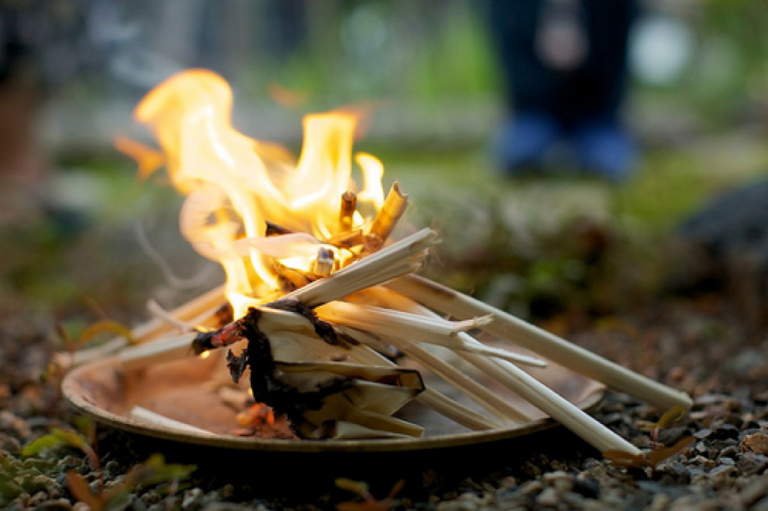
August 13 — Mukaebi (Welcome Fire) Families light small fires called mukaebi at the entrance to their homes to guide ancestral spirits back. In many regions, people visit family graves to formally invite the spirits home, cleaning the grave and leaving fresh flowers and incense. The air throughout Japan carries the smell of incense on this evening.
August 14-15 — The Heart of Obon The middle days are when ancestral spirits are considered to be present in the home. Families gather, altars are decorated with offerings of food and seasonal vegetables, and incense burns continuously. These are also the main days for Bon Odori (盆踊り) — the communal dances held in parks, temple grounds, and neighbourhood squares across the country.
August 16 — Okuribi (Farewell Fire) The final day of Obon is when spirits are sent back. Families light farewell fires at home. In many regions, lanterns are floated on rivers and the sea to guide spirits on their return journey — a practice called toro nagashi (灯籠流し) that produces some of the most beautiful images in Japanese photography. Kyoto's Daimonji Gozan Okuribi — enormous bonfires lit on five mountains surrounding the city — is the most spectacular farewell fire in all of Japan.
Bon Odori: Japan's Most Inclusive Festival Dance
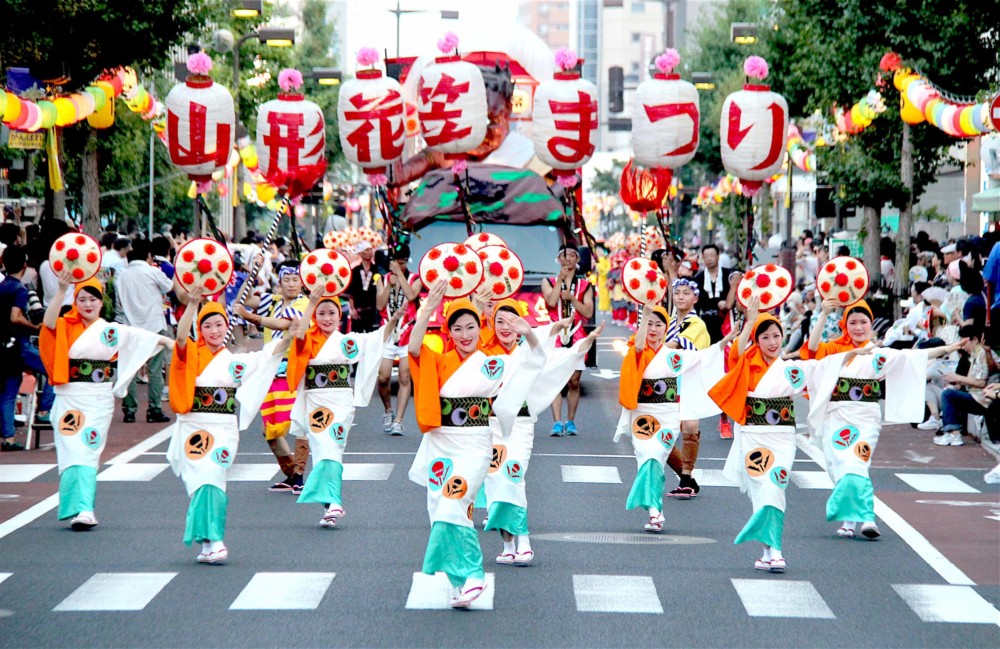
Bon Odori (盆踊り) is the communal dancing tradition that defines Obon for most people outside the immediate family rituals. Held in parks, temple grounds, and neighbourhood squares throughout July and August, Bon Odori events are among the most welcoming public events in Japan — anyone can join in, regardless of age, nationality, or dancing ability.
The format is consistent across Japan: a wooden stage (yagura) is set up in the centre of the dance area, musicians or recorded music play from the top, and participants dance in concentric circles around it. The specific dances vary by region — some are simple, repetitive movements accessible to complete beginners; others are elaborate regional traditions requiring some knowledge of the steps. Watch for a few minutes and the pattern becomes clear.
Bon Odori events typically run from the evening into the night, accompanied by food stalls (yatai) selling yakisoba, kakigori (shaved ice), taiyaki, and cold beer. They're entirely free to attend. For foreign visitors they represent one of the most authentic and accessible windows into everyday Japanese community life.
Regional Obon Celebrations: Where to Go in August 2026
Kyoto — Daimonji Gozan Okuribi
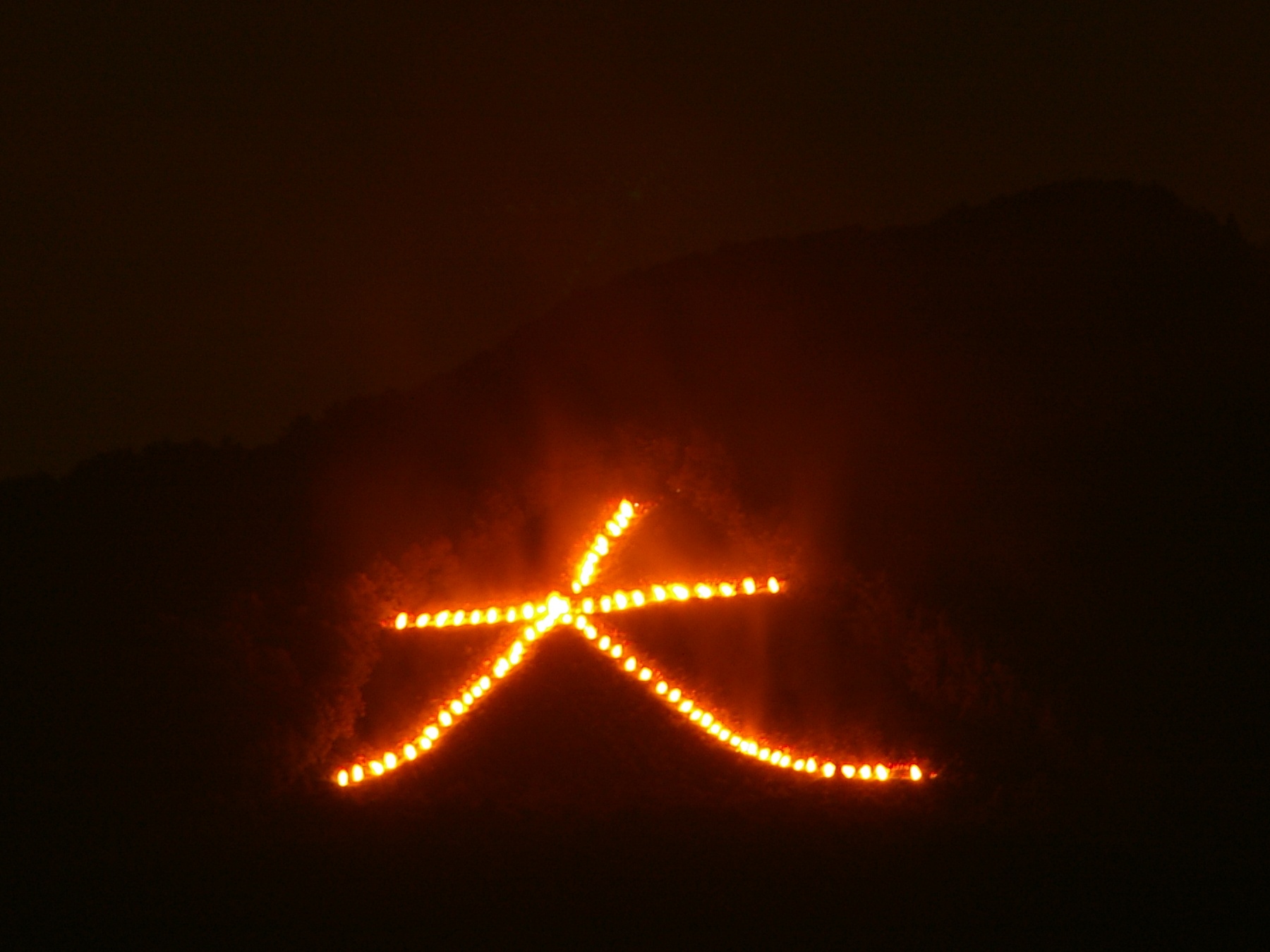
Kyoto's farewell to Obon is the most visually dramatic event in Japan on this date. See all events in Kyoto this August
Five enormous bonfires are lit on mountains surrounding the city at 8pm, each forming a character or symbol: Dai (大, "great") on Nyoizanji Mountain, a ship, a torii gate, the left-handed Dai on Nishiyama, and Myo-Ho (妙法, "wonderful dharma") on Matsugasaki. Viewed from the Kamo River or rooftop terraces across the city, the sight of five mountain bonfires burning simultaneously in the darkness is genuinely unforgettable. Crowds gather from early evening. Bring mosquito repellent. August 16
Best viewing spots: Kamo River banks between Demachiyanagi and Kitaoji, Yoshida Hill, Funaoka Park, and hotel rooftop terraces (many sell tickets for this night specifically).
Tokushima — Awa Odori
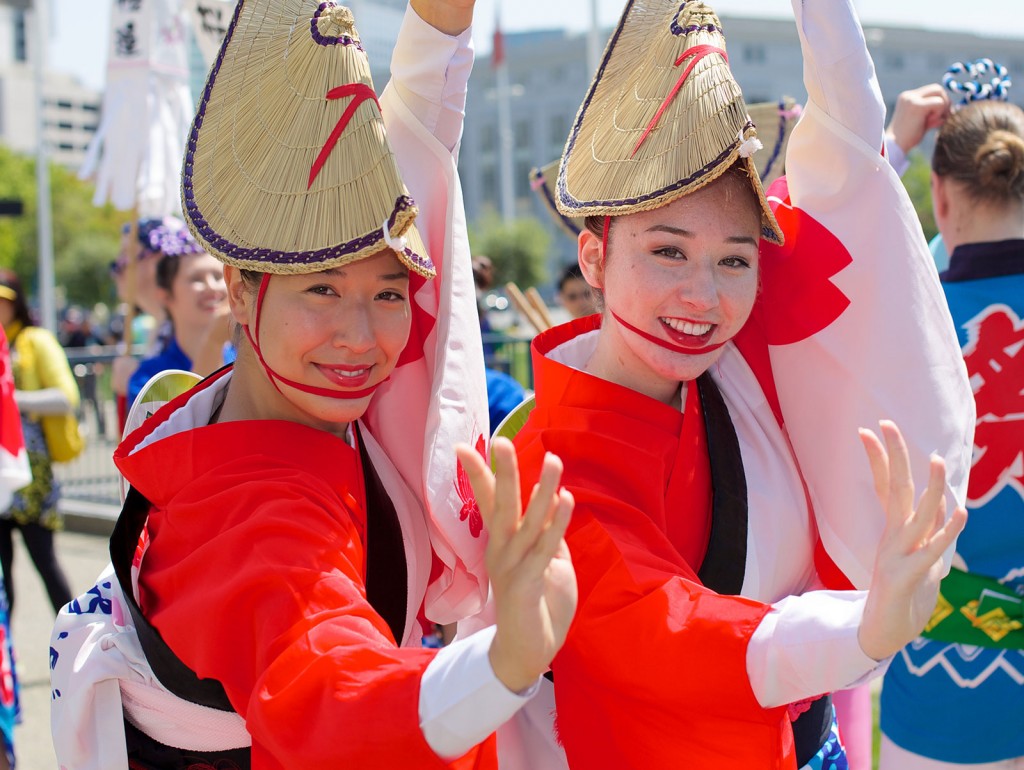
Awa Odori in Tokushima is Japan's most famous and exuberant Bon Odori, attracting over a million visitors across its four days. Unlike typical neighbourhood Bon Odori, Awa Odori is an enormous public performance: professional and semi-professional dancing groups (ren) parade through the streets of Tokushima city in elaborate costumes, performing the distinctive two-step rhythm of Awa Odori dance. Spectators watch from bleachers along the main routes, but the most exciting option is joining one of the free-participation ren groups — foreigners are genuinely welcomed. The festival runs from the afternoon into late night, and the atmosphere becomes increasingly electric as darkness falls. Book accommodation months in advance — Tokushima fills completely. See Awa Odori and other Tokushima events → August 12-15
Kyoto — Toro Nagashi on the Kamo River
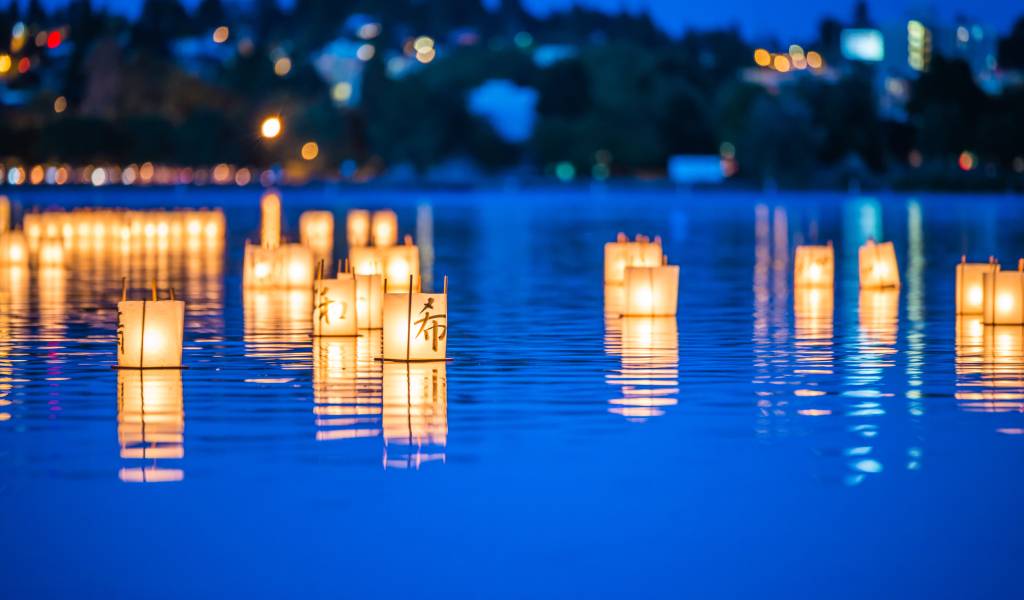
On the evening of August 16, thousands of illuminated paper lanterns are floated down the Kamo River through central Kyoto. Families write messages to deceased loved ones on the lanterns before releasing them. As a spectator experience it's deeply moving — the slow procession of glowing lanterns through dark water, watched in near-silence by crowds on the riverbanks, distils something essential about what Obon means. Similar toro nagashi events happen across Japan during August. August 16
Aomori — Nebuta Matsuri
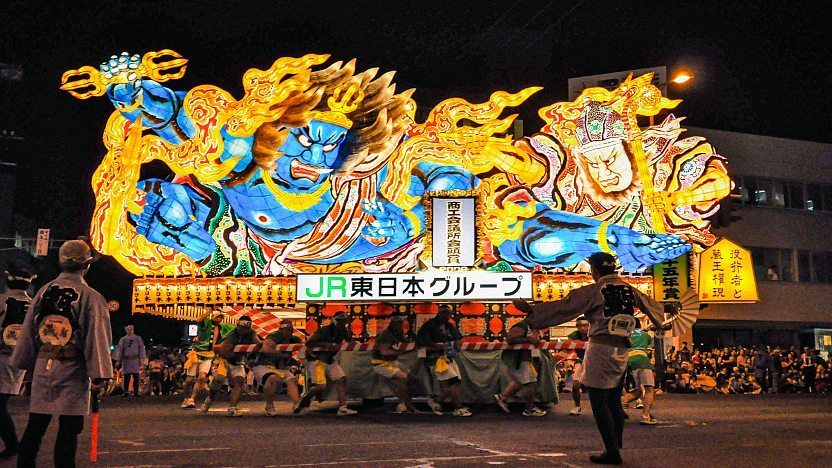
Strictly speaking Nebuta is a separate festival from Obon, but it falls in the same period and is worth planning around if you're in Tohoku in August. Enormous illuminated floats depicting warriors, demons, and mythological figures are paraded through Aomori city at night while dancers (haneto) in traditional costume leap and shout around them. The combination of the massive glowing floats, the sound of the taiko drums, and the leaping dancers is unlike anything else in Japan. Visitors can rent haneto costumes and join the parade — one of the genuinely participatory big-festival experiences in Japan. See all Aomori events → August 2-7
Nagasaki — Shoro Nagashi
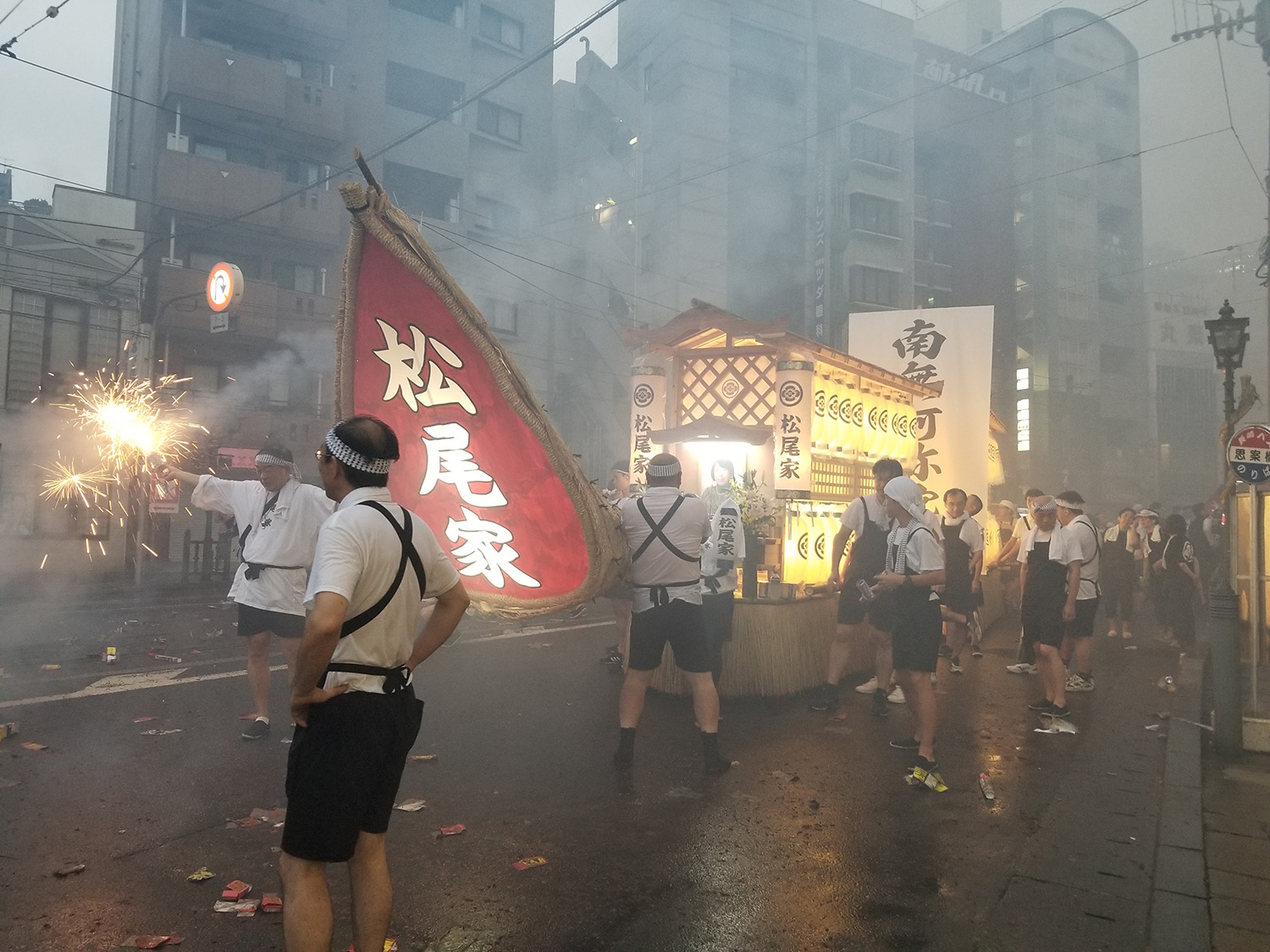
Nagasaki's Obon farewell tradition is unique: families build elaborate floats (shoro fune) representing ships and parade them through the streets on August 15 to the harbour, where they are symbolically sent out to sea. The procession involves fireworks, bells, and thousands of participants. The connection to Nagasaki's maritime history and the August 9 atomic bomb anniversary gives the occasion additional layers of meaning. This is one of the most culturally layered and emotionally resonant events in Japan in August. See all Nagasaki events → August 15
Okinawa — Eisa Festival
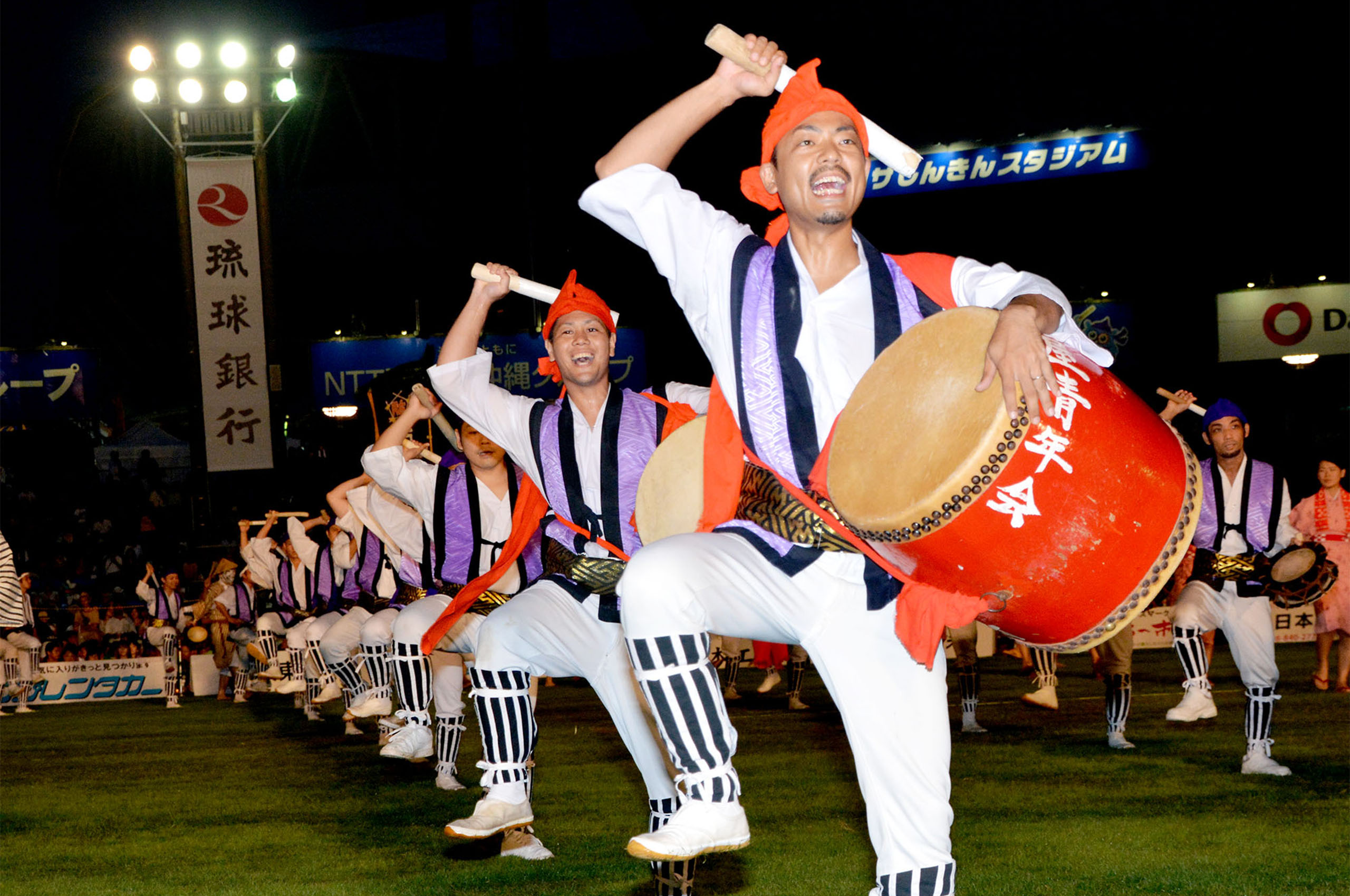
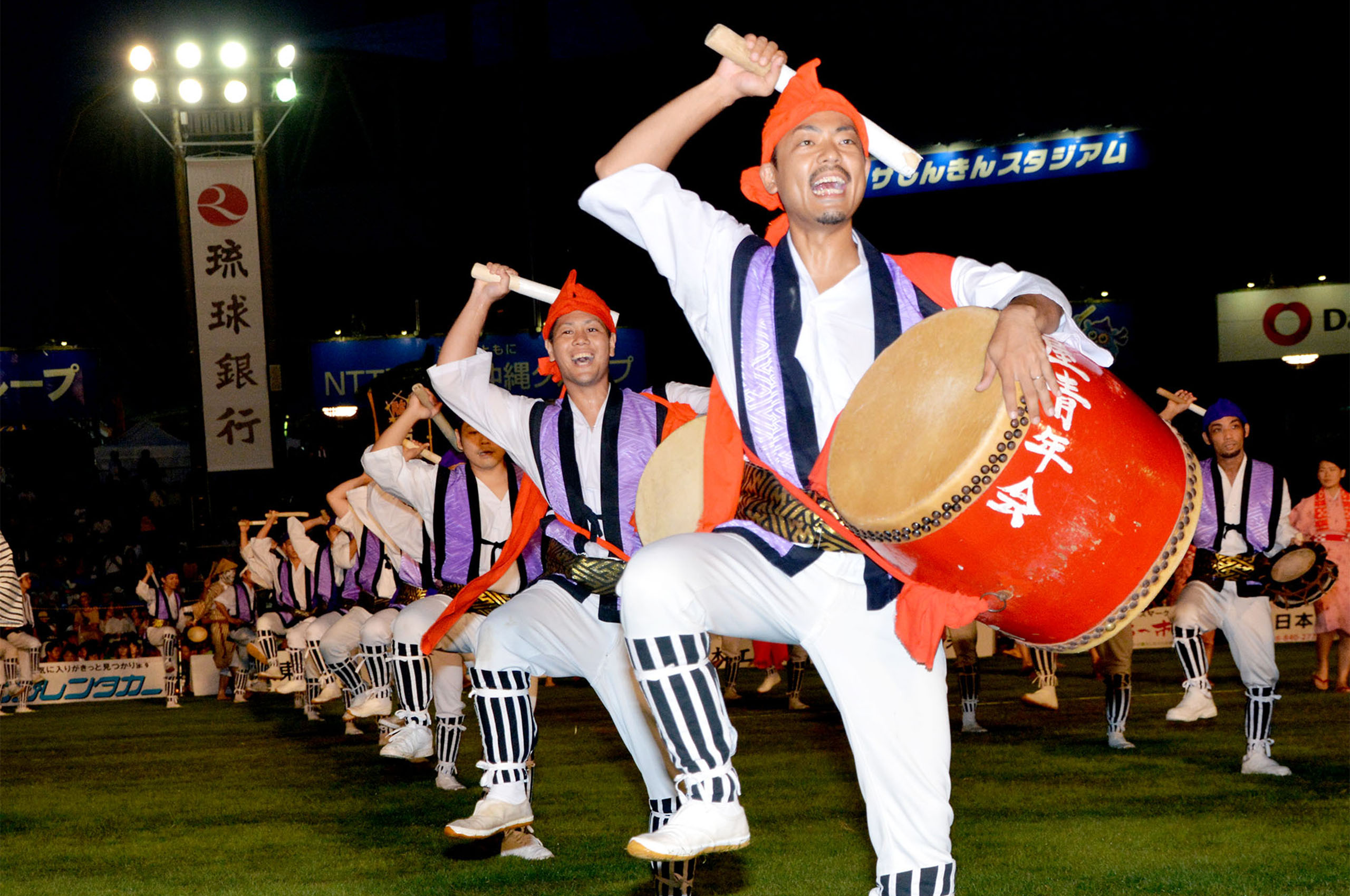
Okinawa celebrates its own form of Bon — called Shichi Gwa Bon in Okinawan — following the lunar calendar, falling in late August or early September depending on the year. Eisa is the Okinawan equivalent of Bon Odori: a dynamic, percussion-heavy dance performed by groups of young people in traditional Ryukyuan dress. The All-Island Eisa Festival in Okinawa City typically takes place in late August and features groups from across the island competing in Eisa performance. The Okinawan celebration feels distinct from mainland Japan — the music, the costumes, and the atmosphere are closer to the Ryukyu Kingdom traditions than to anything you'd find in Tokyo or Kyoto. See all Okinawa/Naha events → Late August
Tokyo and Urban Obon
Tokyo's Obon (observed in July for the Shitamachi areas, August for outlying districts) is a quieter affair than regional festivals, but dozens of neighbourhood Bon Odori events take place throughout August. Sumida Park, Hamarikyu Gardens, Yoyogi Park, and temple grounds across Shitamachi (old downtown) host evening events. The city feels noticeably less crowded during the peak August 13-16 period — making it one of the better times to explore Tokyo events if you want shorter queues at major attractions
Obon Foods: What to Eat During the Festival
Food is central to Obon observance, both as offerings to ancestral spirits and as communal celebration. Different regions have distinct Obon food traditions.
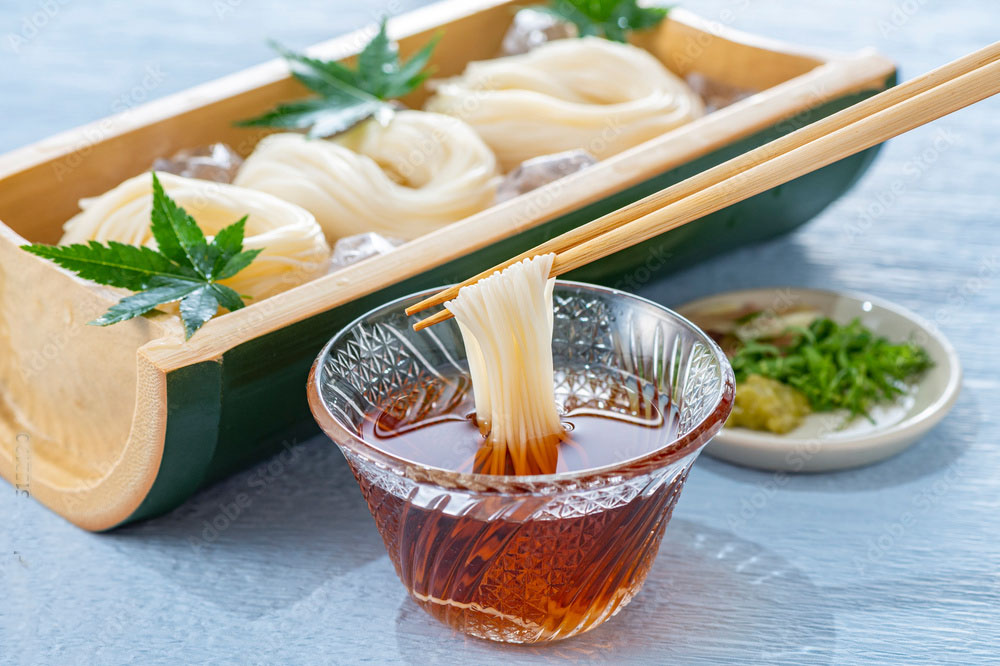
Soumen (素麺) — thin white wheat noodles served cold — are the quintessential Obon food across most of Japan, eaten both as an offering and as a meal during the summer heat. The white colour symbolises purity and the threads of the noodles are said to represent the thread connecting the living to the dead.
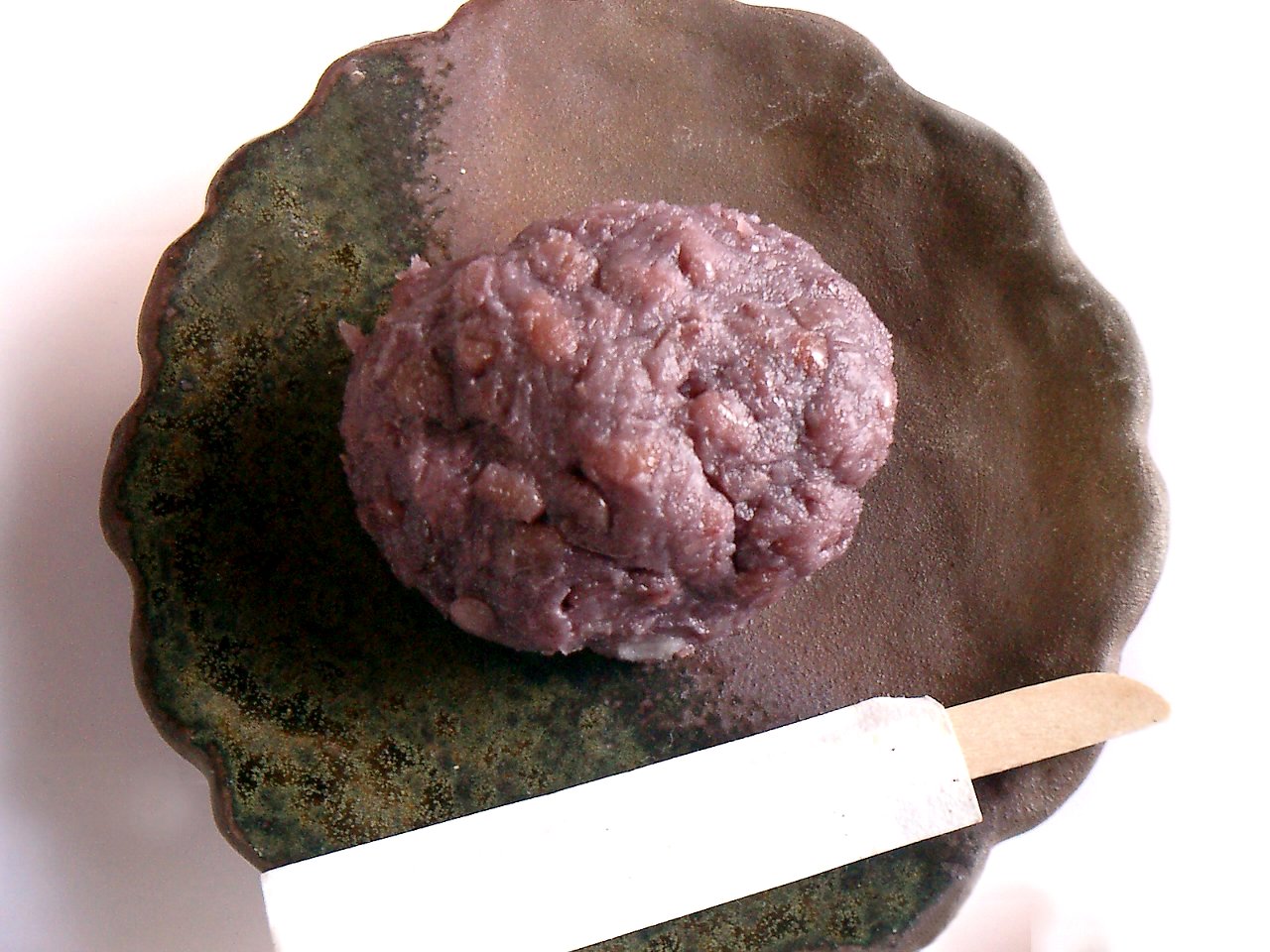
Ohagi/Botamochi — sticky rice balls coated in sweet red bean paste — are traditional Obon offerings placed on the altar. They appear in every supermarket and convenience store throughout August.

Okonomiyaki and Takoyaki at Bon Odori yatai food stalls are the practical reality of what most people eat during outdoor festival events. Osaka-style okonomiyaki is particularly associated with summer festivals.
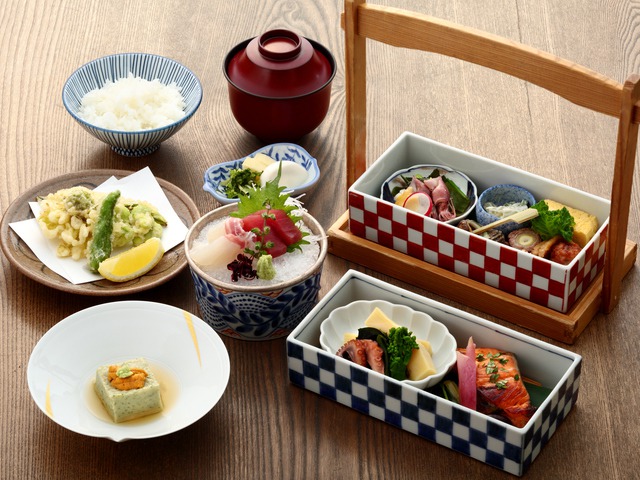
Kyoto's Kyo-ryori — the refined Buddhist-influenced cuisine of Kyoto — reaches its philosophical peak at Obon when shojin ryori (vegetarian temple cuisine) is served at many establishments as a nod to the season's Buddhist roots.
Regional specialties at Awa Odori: Tokushima ramen (pork-based, rich and dark) and sudachi (a local citrus) flavoured dishes are synonymous with the Tokushima festival season.
Nagashi Soumen — soumen noodles floated down a bamboo channel in cold water, caught and eaten by diners — is a summer dining experience found at restaurants throughout Japan in July and August, particularly in rural areas and mountain resorts.
Practical Tips for Travelling Japan During Obon
Book everything months in advance. August 13-16 is the single busiest travel period in Japan. Shinkansen seats sell out completely for this period. If you haven't booked by late June, your options will be severely limited. The JR Pass can guarantee you a seat but standing-only tickets remain an option on some services.
Need help planning your trip? Browse experiences and transport options →
Expect prices to spike. Hotel rates in major cities increase significantly during peak Obon. This is particularly acute in Kyoto, which combines Obon with its existing summer high season.
Rural Japan is the reward. The cities empty as residents travel to their hometowns. If you're visiting rural areas — the Kiso Valley, the Noto Peninsula, Shikoku's interior, the Aso highlands in Kyushu — August is when you'll find communities fully alive with festival activity, family gatherings, and Bon Odori events that haven't been designed for tourists.
Shrines and temples are at their most active. Graveyards are cleaned, incense burns constantly, and temple grounds host evening events throughout the period. Visit neighbourhood temples in the early morning of August 13 to observe the mukaebi greeting rituals.
Some businesses close. Unlike New Year when almost everything shuts, Obon closures are less total — but many smaller restaurants, family-run shops, and local businesses close for 3-5 days from August 13. Major tourist facilities, department stores, and chain restaurants remain open.
The heat is real. August is Japan's hottest month. Kyoto and Osaka regularly hit 38°C with high humidity. Carry water everywhere, plan outdoor activities for morning and evening, and treat midday as indoor museum time. Wear loose, breathable clothing and carry a small hand towel — Japanese summers require them.
Yukata is entirely appropriate. August is the one month when wearing a yukata (casual summer kimono) in public is entirely normal and encouraged. Rental services are widely available near major festival venues. It's not cultural appropriation — it's participation, and Japanese people will appreciate the gesture.
Transportation within festival cities. Awa Odori in Tokushima and Nebuta in Aomori both require advance planning for arrival and departure. Trains run extended hours on festival days but are extremely crowded. Book your accommodation within walking distance of festival venues if possible.
When Obon Makes Travel Harder — and What to Do About It
The August 13-16 period creates two specific problems for foreign travellers:
Getting into popular destinations becomes harder. Kyoto is at its most crowded during this period. If Kyoto is on your itinerary, either arrive before August 12 or wait until after August 17 when the exodus reverses.
Getting out of Tokyo becomes easier. Counter-intuitively, Tokyo is less crowded from August 13-15 as millions of residents leave for their hometowns. Major attractions have shorter queues, restaurants are easier to get into, and the city feels more spacious. If you're spending the peak Obon days in Tokyo rather than trying to travel to a festival, you'll have a surprisingly relaxed experience.
The best Obon strategy for foreign visitors: position yourself in a regional city by August 12, attend the local Bon Odori events on the 13th, 14th, and 15th, then travel on the 16th when the holiday crowds begin to disperse.
Obon at a Glance: Key Facts for 2026
Main dates | August 13-16, 2026 |
Tokyo Obon | July 13-16 (Shitamachi areas) |
Okinawa Obon | Late August (lunar calendar) |
Best for first-timers | Kyoto (Daimonji), Tokushima (Awa Odori) |
Best for atmosphere | Rural Japan, neighbourhood Bon Odori |
Book in advance | Shinkansen, Kyoto hotels, Awa Odori bleacher seats |
What to wear | Light clothing, yukata at festivals |
Essential item | Hand towel, portable fan, mosquito repellent |
Planning your August in Japan? Browse upcoming festivals and events across all cities — or go straight to Tokyo, Kyoto, Osaka, or Sendai to see what's on
Find events happening near you
Browse hundreds of events across Japan — translated from Japanese, updated regularly.
Browse Events