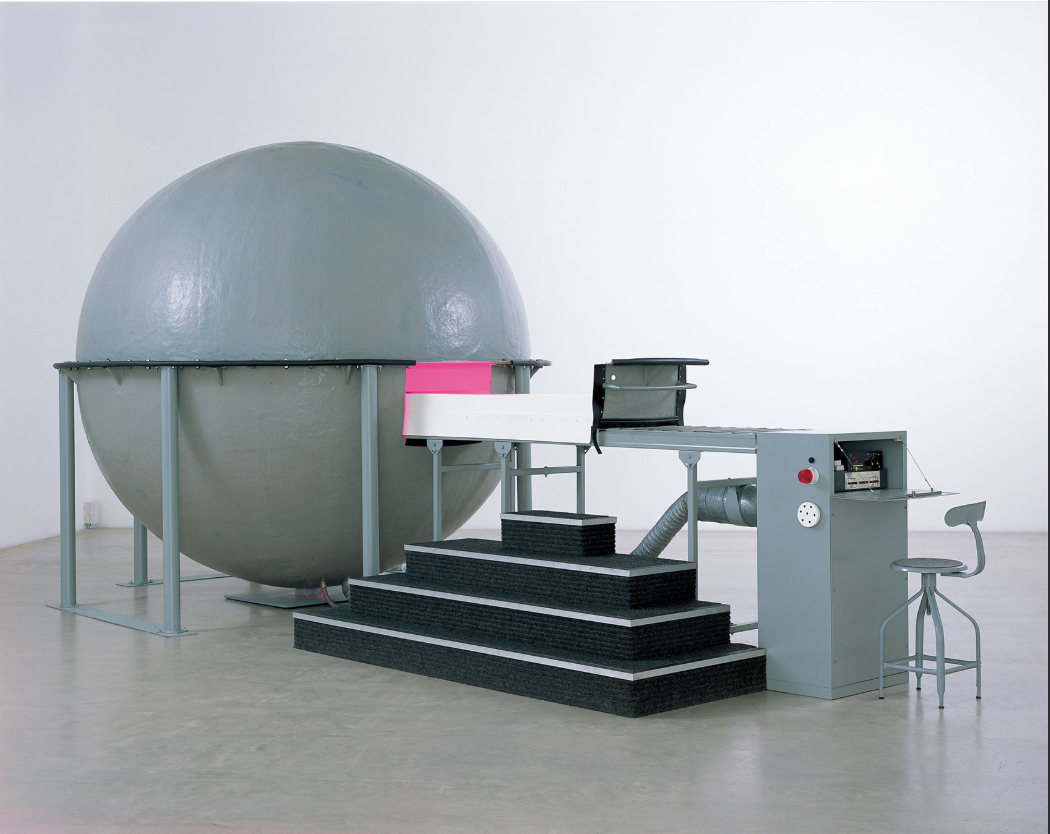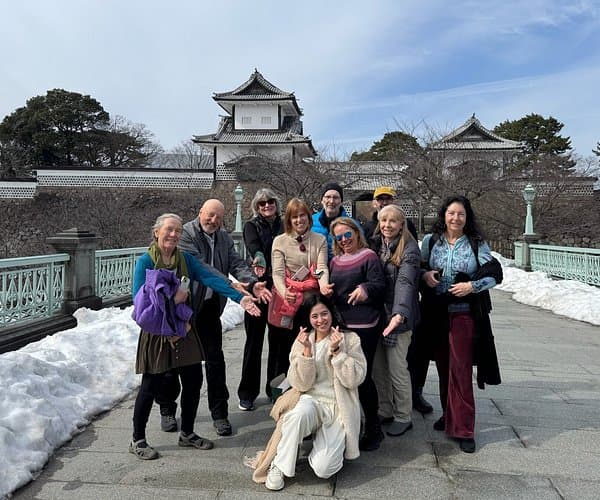
Kanazawa is frequently described as Japan's best-kept secret and for once the cliche is genuinely deserved — the city represents a rare combination of cultural depth and contemporary sophistication. The city survived the Second World War without significant bombing or destruction, which means its old samurai districts, geisha quarters, castle complex, and traditional crafts infrastructure remain largely intact in ways that other Japanese cities cannot match. The Kanazawa Castle grounds host seasonal events and illumination festivals, and the castle itself functions as a living cultural institution rather than merely a historical monument. The Higashi Geisha District remains one of Japan's most beautiful and authentic geisha neighbourhoods, with wooden machiya houses converted into tea houses, galleries, and restaurants while preserving their historical character. The 21st Century Museum of Contemporary Art brings international-calibre exhibitions to a city that already had four centuries of artistic tradition before the museum opened — it has become one of Japan's most important contemporary art venues. Kanazawa's Kenroku-en garden is one of Japan's three most celebrated strolling gardens and hosts seasonal illumination events that are genuinely spectacular even by Japanese standards — winter snow illuminations transform the landscape into something dreamlike. The city's craft tradition remains living and central to local culture: Kutani porcelain, Kaga yuzen silk dyeing, gold leaf work, and lacquerware are not museum pieces but actively produced by artisans working in studios throughout the city. This combination of authentic historical preservation, world-class contemporary art, and thriving traditional craftsmanship makes Kanazawa unique in Japan.