Japan Festivals 2026: The Complete Calendar — Matsuri, Music, Beer, Fire and Everything Elses
By Adrian
Japan runs approximately 200,000 festivals a year. Most visitors know two or three. This guide covers the full range — from the three great festivals that define the national calendar to the obscure regional events that no tourist board bothers promoting, plus every major music festival, food event, and seasonal celebration worth planning a trip around in 2026.
Japan's Three Great Festivals — The Non-Negotiables
Every list of Japanese festivals eventually arrives at three events so large, so old, and so thoroughly embedded in national consciousness that they occupy a category of their own.
Gion Matsuri
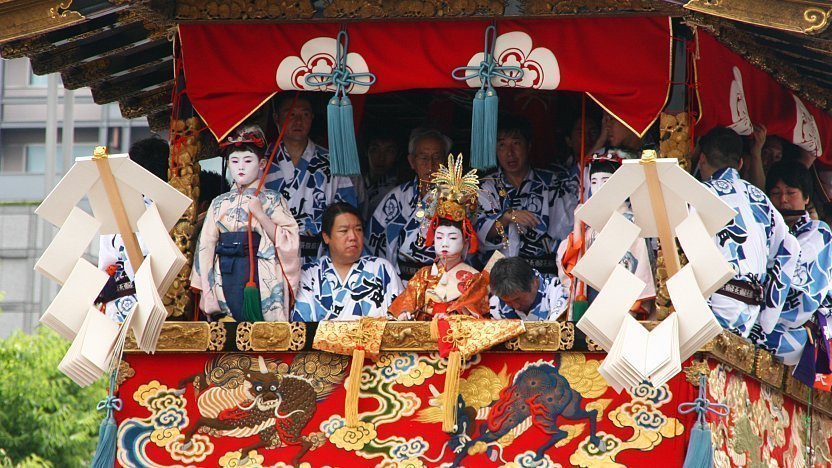
Japan's most famous festival runs for the entire month of July in Kyoto, but its peak moments are concentrated in two processions. The Saki Matsuri on July 17 sends 23 enormous floats — some standing nine metres tall and weighing twelve tonnes — through the narrow streets of central Kyoto. The Ato Matsuri on July 24 follows with eleven more. The floats are extraordinary objects: centuries-old tapestries from Belgium and Persia hang from their sides, treasures imported along the Silk Road that somehow ended up decorating portable shrines in a landlocked Japanese city. The evenings of July 14-16 and 21-23 are the Yoi-yama — when the floats are displayed stationary and illuminated, the streets pedestrianised, and vendors selling grilled corn and cold Asahi set up every ten metres.
Kyoto, July 2026 Browse Kyoto events in July →
Tenjin Matsuri
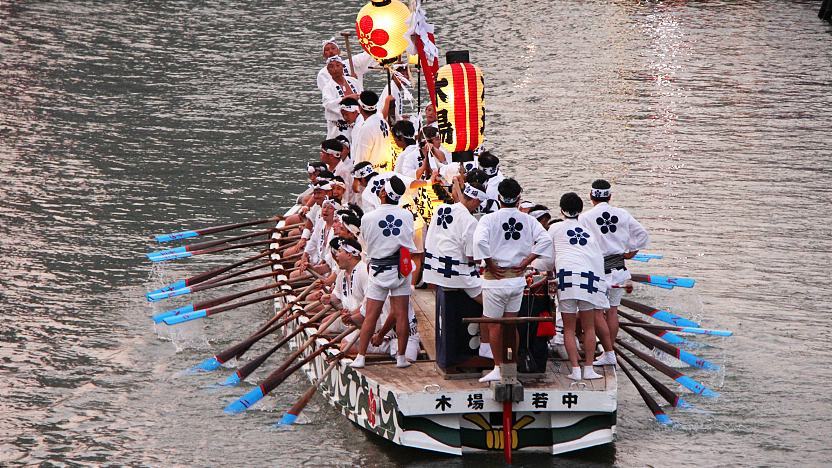
Osaka's great summer festival honours Sugawara no Michizane, the scholar-deity of learning, and does so with a boat procession on the Okawa River that draws around 1.3 million spectators. On the evening of July 25, over 100 boats carrying portable shrines and musicians make their way along the river while 5,000 fireworks launch overhead. The combination of illuminated boats, taiko drumming, and fireworks reflecting off the water produces one of the most spectacular visual experiences Japan's festival calendar has to offer. Osaka, July 24-25, 2026
Browse Osaka events →
Nebuta Matsuri
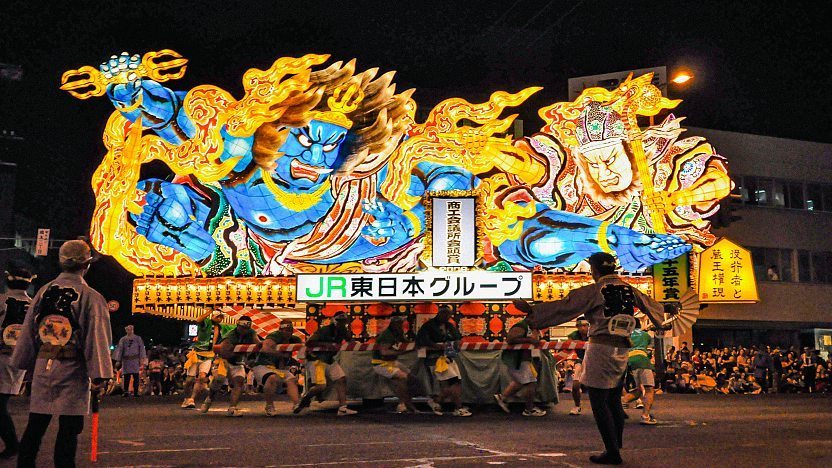
The Tohoku summer festivals are collectively extraordinary — Sendai's Tanabata, Akita's Kanto, Yamagata's Hanagasa all happen the same week — but Nebuta is the centrepiece. Massive illuminated floats depicting warriors, demons, and kabuki characters are pulled through Aomori's streets each evening, accompanied by thousands of dancers called haneto who leap and spin in coordinated unison to the rhythm of taiko and flute. The floats are works of art that take craftsmen the entire year to construct. The final night ends with the largest floats being transported by boat across Mutsu Bay and launched as they blaze. Aomori, August 2-7, 2026 Browse Aomori events →
Spring Festivals in Japan 2026 — Cherry Blossoms, Fire and Ancient Rituals
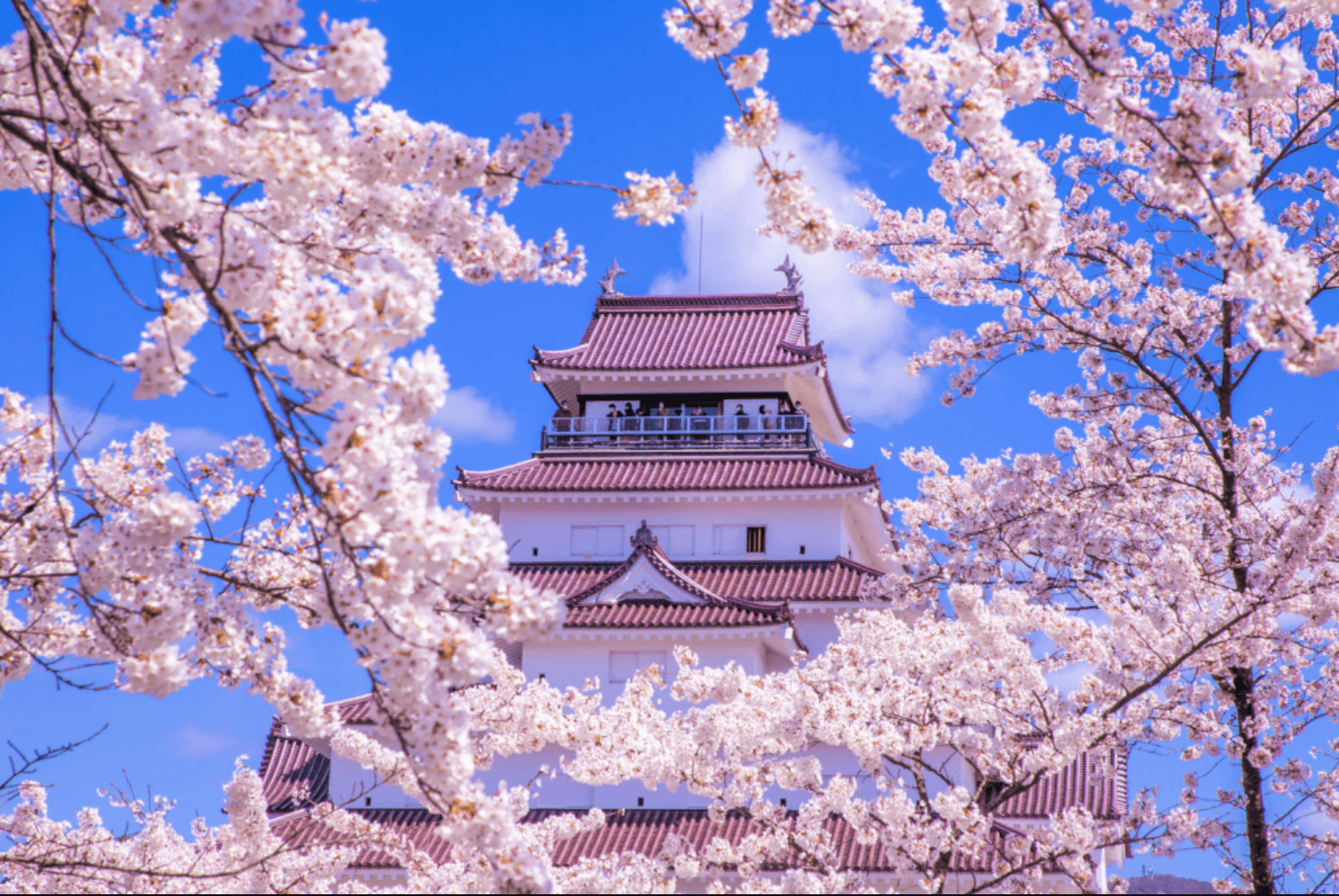
Cherry Blossom Festivals
Japan's cherry blossom season isn't a single event but a moving front that travels from south to north over six weeks. Fukuoka and Kyushu typically bloom first in late March, Tokyo and Osaka follow in early April, Tohoku peaks in late April, and Hokkaido finishes in early May. Nearly every park, castle ground, river embankment, and temple in Japan holds some form of hanami (flower viewing) gathering during their local bloom. The most celebrated locations include Maruyama Park in Kyoto, Chidorigafuchi in Tokyo, Hirosaki Castle in Aomori (late April, famous for the pink carpet of fallen petals on the moat), and Takato Castle in Nagano. Nationwide, Late March to Early May
Read our guide to Cherry Blossom season in Japan
Kanamara Matsuri (Penis Festival)
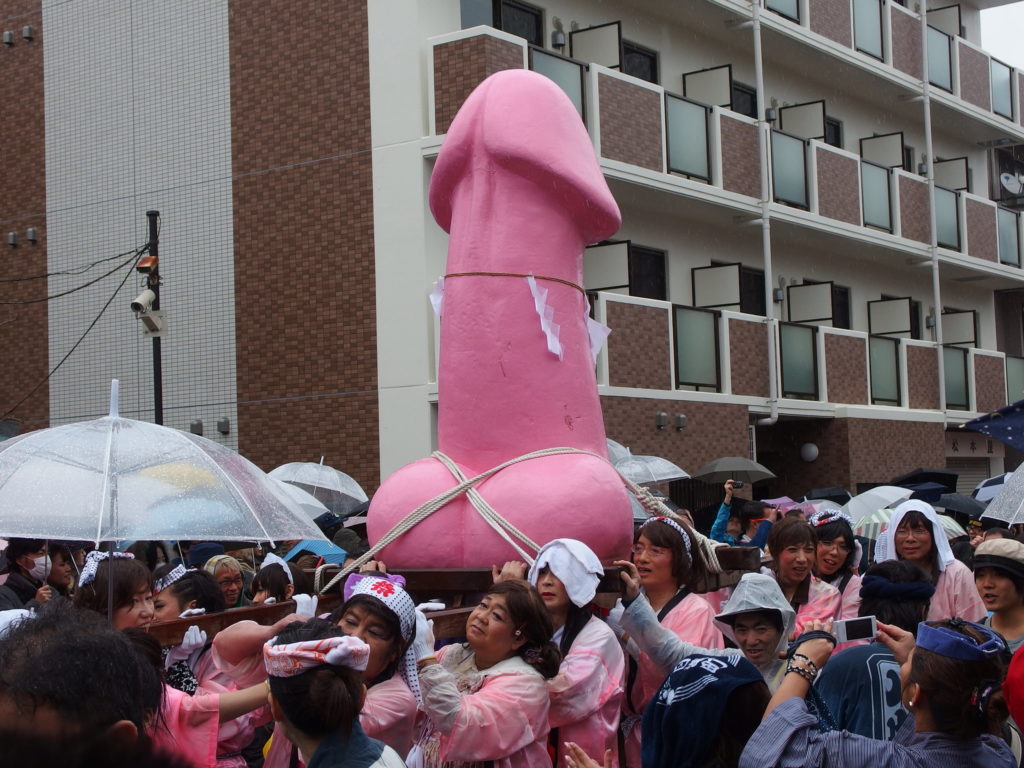
Held at Kanayama Shrine in Kawasaki on the first Sunday of April, this is the festival that gets photographed for every listicle about strange Japan and then misrepresented. It began as a fertility prayer, evolved into a blessing for sex workers, and is now simultaneously one of Kanagawa Prefecture's largest charity fundraisers (proceeds go to HIV research) and one of its most exuberant parties. The centrepiece is a procession of phallic portable shrines in various sizes, including a large pink one, carried through the streets accompanied by what can only be described as an atmosphere of communal delight. The crowd — a mix of Japanese families, drag performers, expats, and very confused tourists — makes it one of the friendliest festivals on the calendar. Kawasaki, April 5, 2026
Browse Kanagawa events →
Takayama Spring Festival
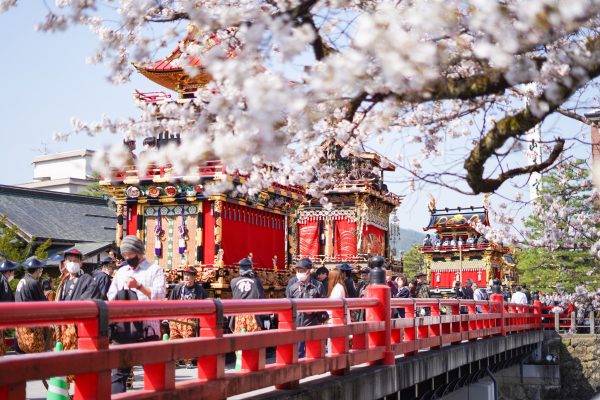
The Sanno Matsuri is one of Japan's three most beautiful festivals — a parade of twelve elaborately decorated floats through the preserved Edo-period streets of Takayama in the Japanese Alps. The mechanical puppets (karakuri ningyo) that perform on the floats are engineering marvels operated by up to nine puppeteers hidden inside. The town fills completely with visitors and accommodation books out months in advance. A second festival of equal beauty, the Hachiman Matsuri, runs October 9-10. Takayama, April 14-15, 2026
Browse Takayama events →
Summer Festivals in Japan 2026 — The Peak Season
Japanese summer festival season runs from late June through mid-August and represents the densest concentration of matsuri anywhere on earth. Every neighbourhood shrine holds at least one festival; major cities run continuous events for weeks.
Hakata Dontaku
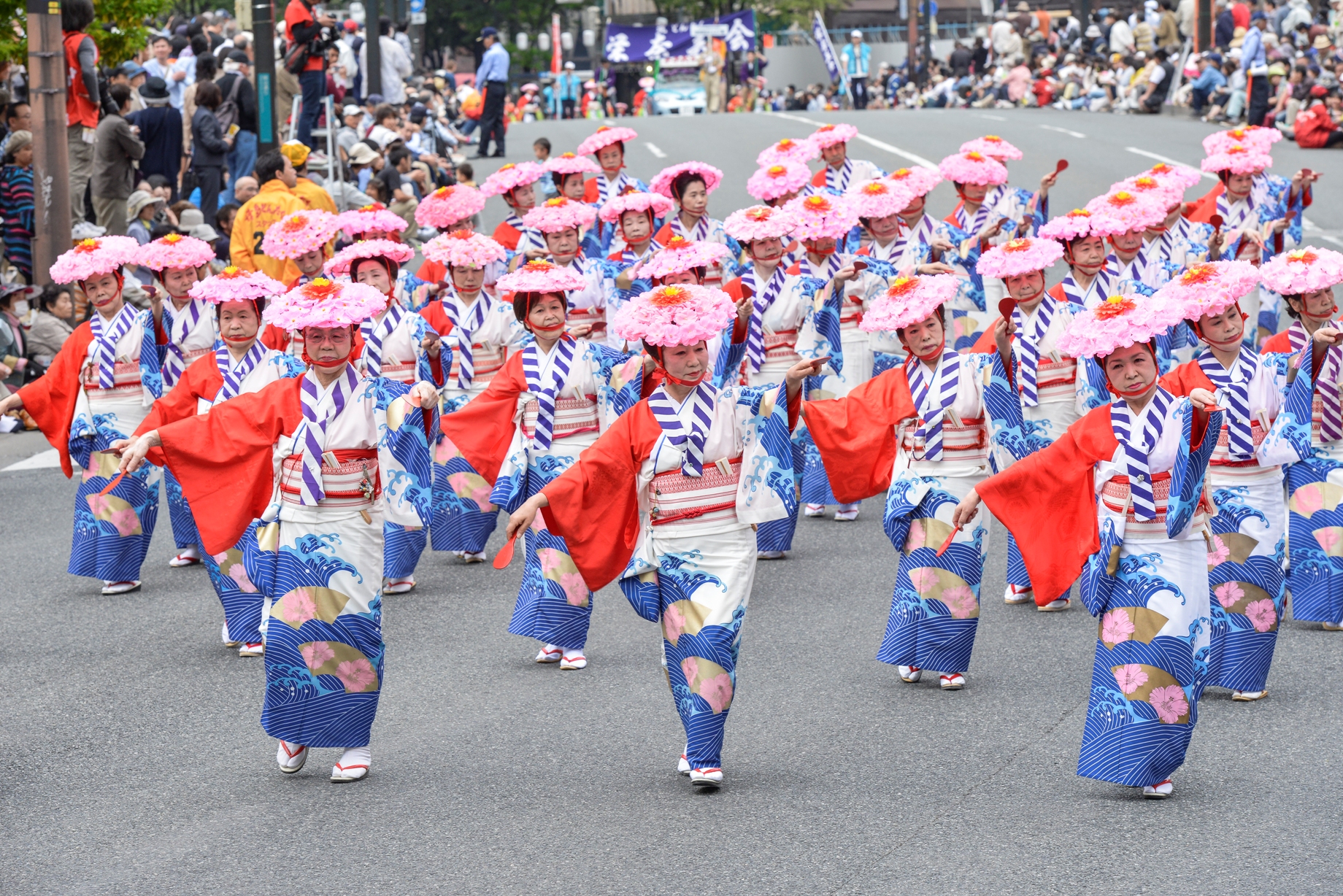
Japan's largest festival by attendance — over two million people over two days — fills Fukuoka's streets with parade floats, dance performances, and the distinctive sound of shamoji (rice paddles) being clapped together as improvised percussion. The festival dates to 1179 and originally celebrated New Year in the old lunar calendar. Fukuoka, May 3-4, 2026
Browse Fukuoka events →
Awa Odori
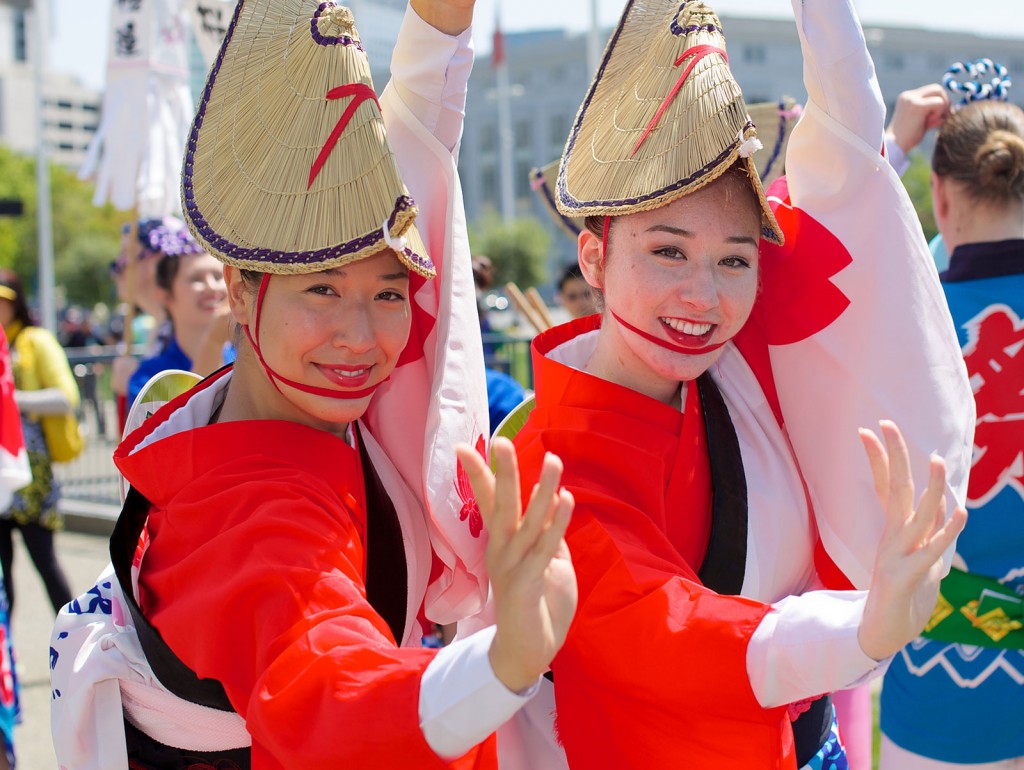
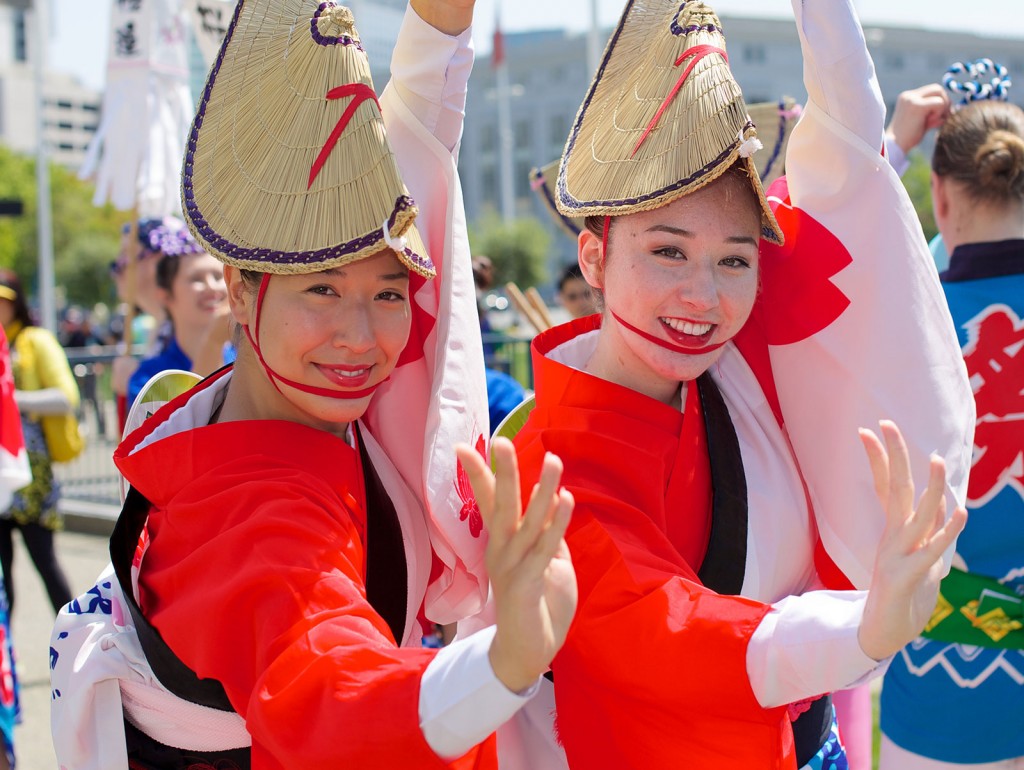
Japan's largest dance festival transforms Tokushima City for four nights in mid-August. Thousands of dancers in groups (ren) wearing identical yukata and straw hats perform the Awa Odori — a deceptively simple walking dance that becomes hypnotic at scale — through the city's streets. The festival's famous saying translates roughly as: "Dancing fools and watching fools — since both are fools, you might as well dance." Designated viewing areas have ticketed seats; the best viewing is free, standing at the edges of the dance routes. Tokushima, August 12-15, 2026
Browse Tokushima events →
Sendai Tanabata
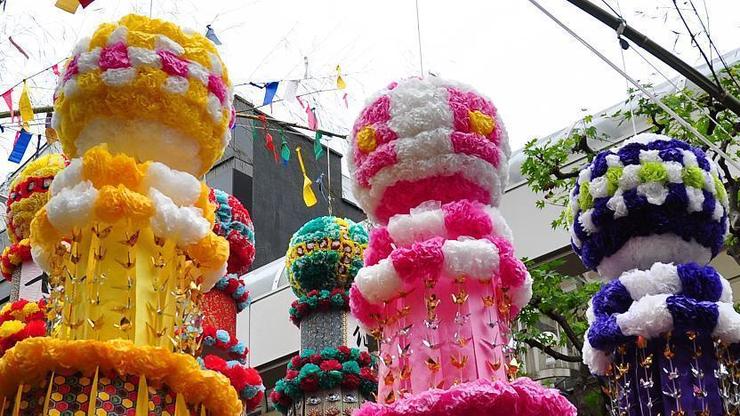
The Star Festival celebrates the annual meeting of two stars — Vega and Altair, personified as a weaver princess and a cowherd separated by the Milky Way — and is observed nationwide on July 7. But Sendai's version, held a month later by the old lunar calendar, is the definitive celebration: the city's covered shopping arcades disappear entirely beneath millions of paper streamers, origami cranes, and elaborate decorations in six traditional designs. The sheer density of decoration overhead — kilometres of it — creates an extraordinary tunnel effect. Sendai, August 6-8, 2026
Browse Sendai events →
Yosakoi Soran
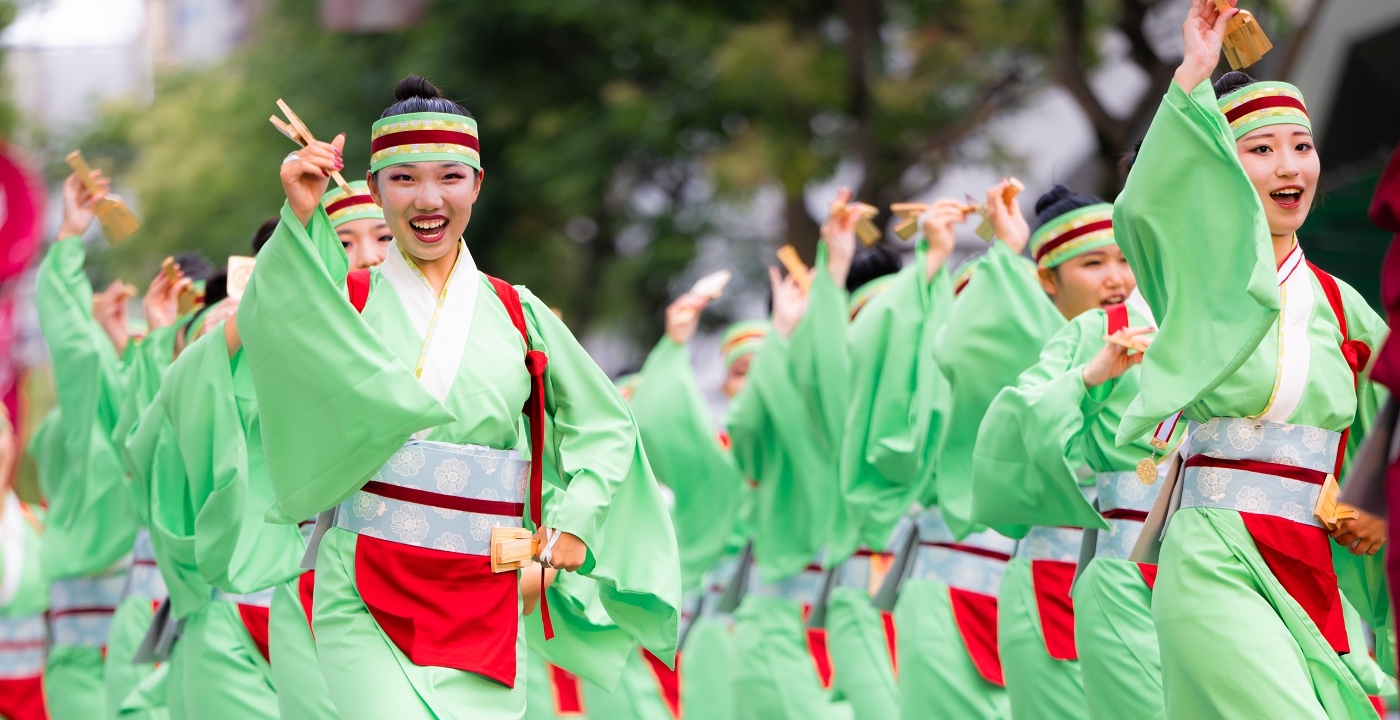
Thirty thousand dancers from across Japan converge on Sapporo for this high-energy festival that fuses the traditional Yosakoi dance of Kochi with the Soran Bushi fishing song of Hokkaido. Teams compete in elaborate choreographed performances, and the atmosphere in Odori Park during peak performances resembles nothing so much as a very large, very disciplined outdoor concert.
Sapporo, June 10-14, 2026
Browse Sapporo events →
Koenji Awa Odori
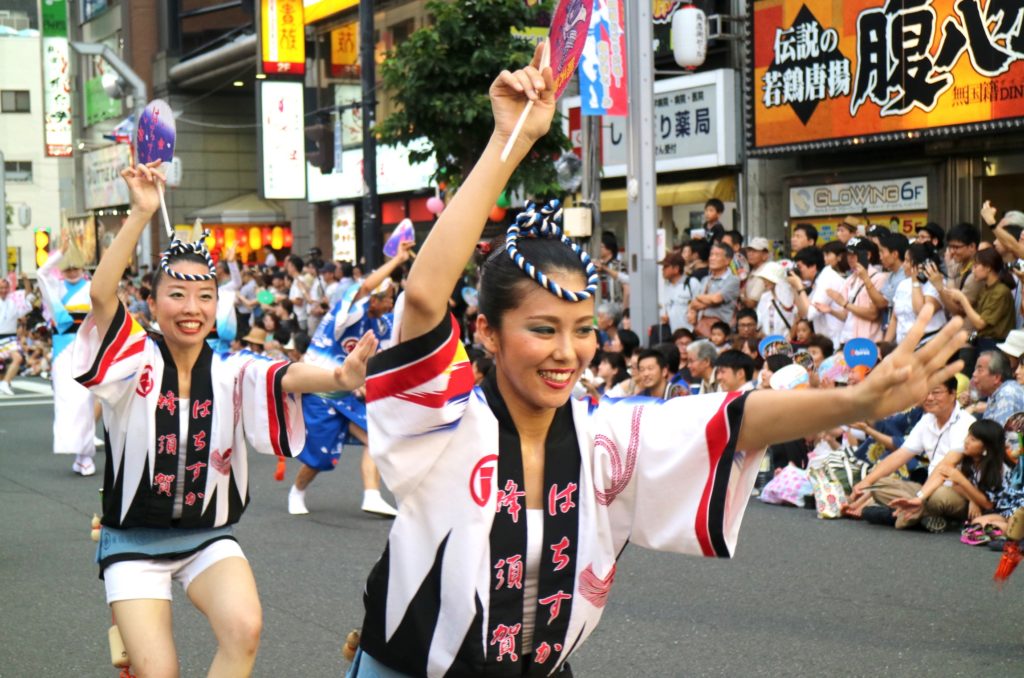
While Tokushima's festival is the original, Tokyo's Koenji neighbourhood holds what many consider the more accessible version — 10,000 dancers performing Awa Odori through the streets of this bohemian west-Tokyo suburb to an audience of over one million people. The energy is electric and the proximity of dancers to spectators is much closer than the formal viewing stands of Tokushima. Free to watch.
Tokyo, August 22-23, 2026
Browse Tokyo events →
Sumida River Fireworks
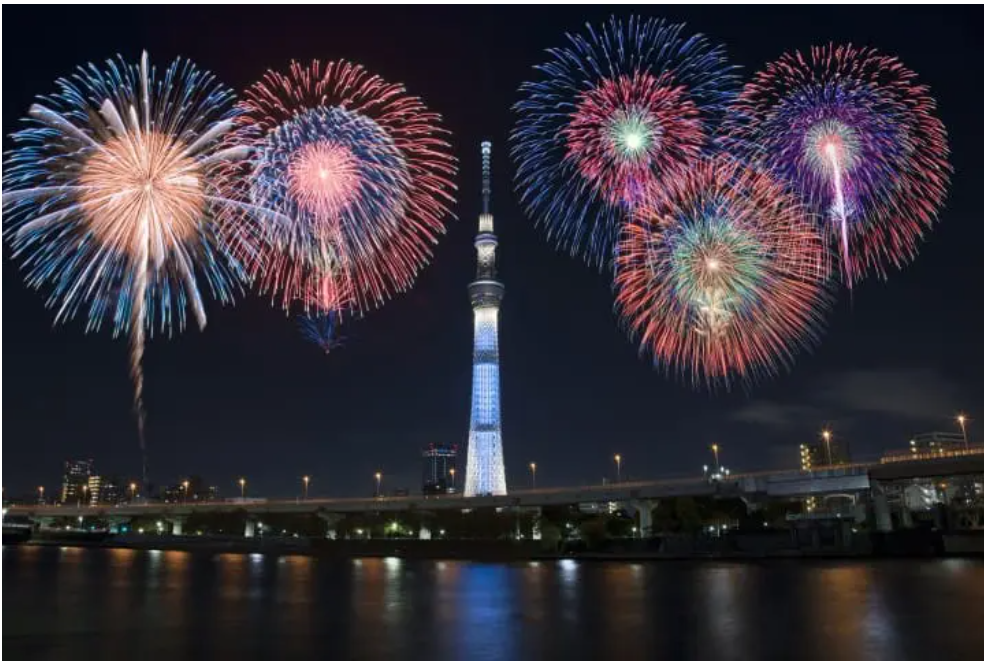
One of Tokyo's two great summer fireworks displays — the other being the Jingu Gaien — launches over 20,000 fireworks from two locations along the Sumida River in Asakusa. Spectator numbers exceed 900,000. Arrive extremely early for any position with a clear sightline; the viewing areas fill hours before dark. Tokyo, July 25th 2026
Browse Tokyo events →
Autumn Festivals in Japan 2026 — Foliage, Fire and the Year's Final Matsuri
Autumn is Japan's second festival peak. The summer energy doesn't simply stop — it transforms. The heat breaks in September, the momiji (maple leaves) begin turning in October, and the festival calendar shifts from the communal exuberance of summer matsuri toward something older and more solemn. Harvest festivals, fire rituals, and the great autumn processions dominate a season that many Japan residents consider the finest time of year to be outdoors.
Kishiwada Danjiri Matsuri
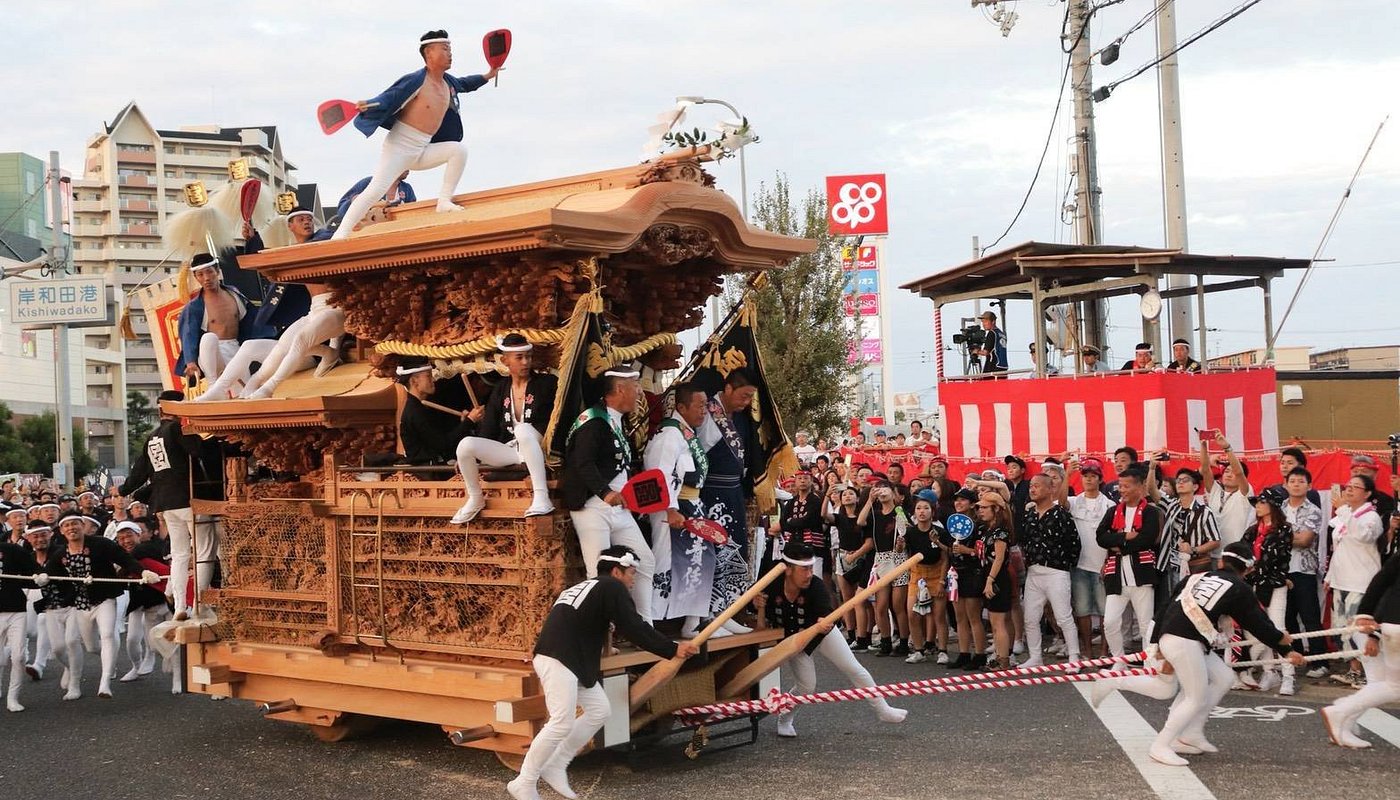
Japan's most dangerous festival involves teams of men pulling four-tonne wooden floats at running speed through the narrow streets of Kishiwada, executing 90-degree corners at full pace — a manoeuvre called yarimawashi that sends the float skidding sideways while men on top perform acrobatic movements. Fatalities and serious injuries are not historical anomalies. The floats are two-storey structures weighing up to four tonnes that have been in continuous use for over 300 years.
Kishiwada (Osaka), September 19-20, 2026
Browse Osaka events →
Takayama Autumn Festival
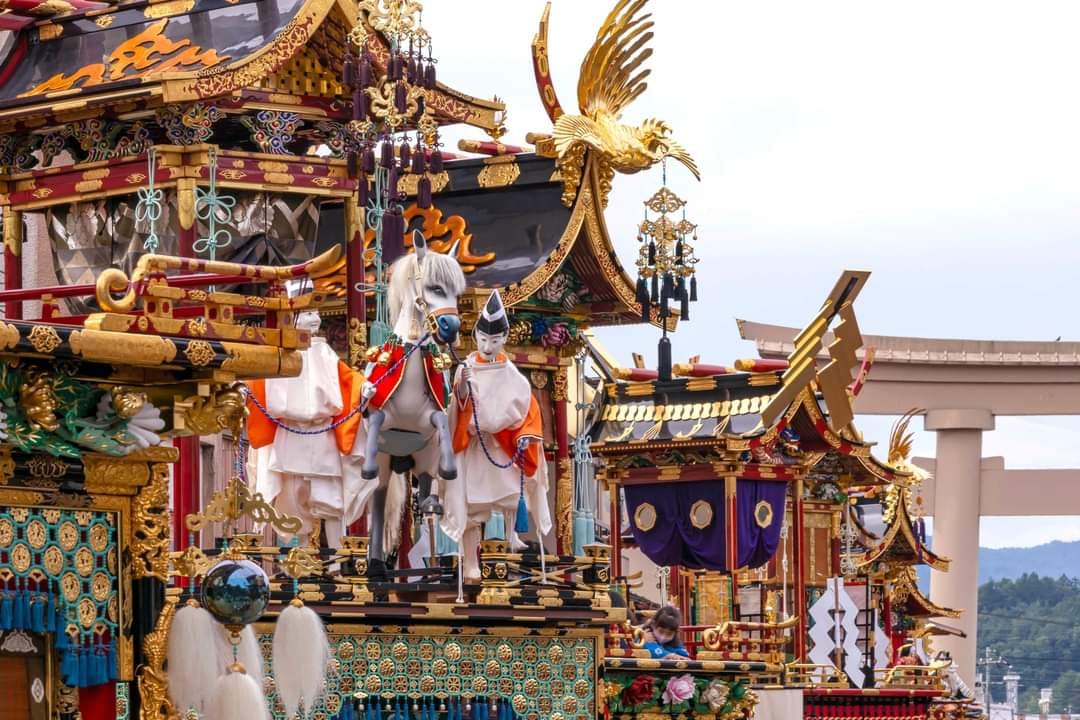
The sister festival to Takayama's April spring event, and many consider it the more beautiful of the two. Eleven floats emerge for the Hachiman Matsuri, their mechanical karakuri puppets performing against a backdrop of autumn-coloured mountains and the Higashiyama temple district in full colour. The combination of maple foliage, centuries-old floats, and the crisp mountain air of the Japanese Alps is extraordinary. Accommodation must be booked months ahead.
Takayama, October 9-10, 2026
Kurama Fire Festival
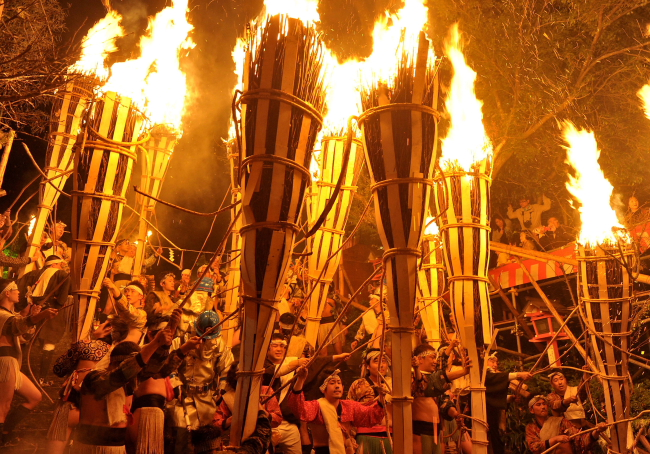
One of Japan's three great fire festivals, held in the tiny mountain village of Kurama north of Kyoto on the night of October 22. Residents carry enormous pine torches through the village streets, the fires growing larger as the procession continues, until the entire hillside is lit with flame. Access is by a single narrow mountain railway; the crowds are managed carefully and the atmosphere — dark mountain, pine smoke, firelight — is unlike anything produced by Japan's larger festivals. Kurama (Kyoto), October 22, 2026
Jidai Matsuri
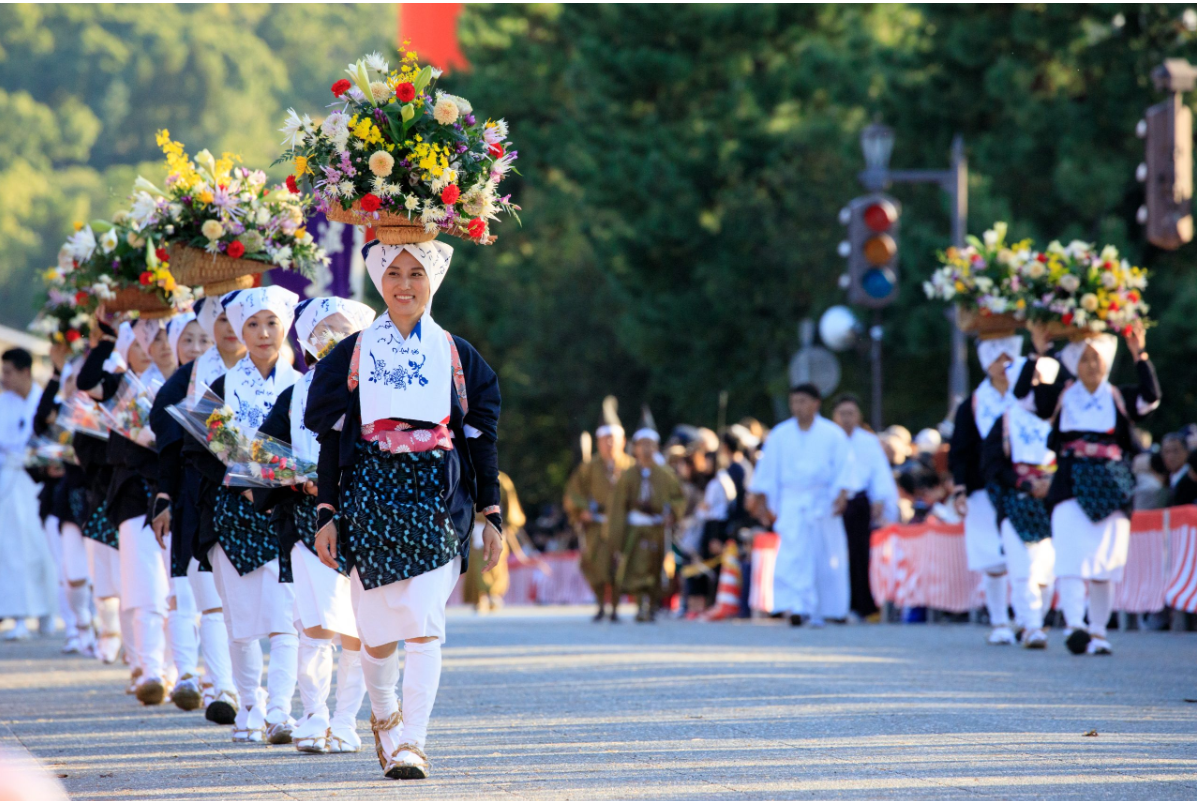
Held on the same day as Kurama Fire Festival, Jidai Matsuri is Kyoto's historical pageant: 2,000 participants in meticulously accurate period costumes representing every era of Japanese history from the Heian period to the Meiji Restoration process through the streets from the Imperial Palace to Heian Shrine. It was created in 1895 to mark Kyoto's 1,100th anniversary and has run every year since. Less dramatic than fire festivals or float processions, but a remarkable compression of a thousand years of Japanese culture into a single afternoon. Kyoto, October 22, 2026
Browse Kyoto events →
Nagasaki Kunchi
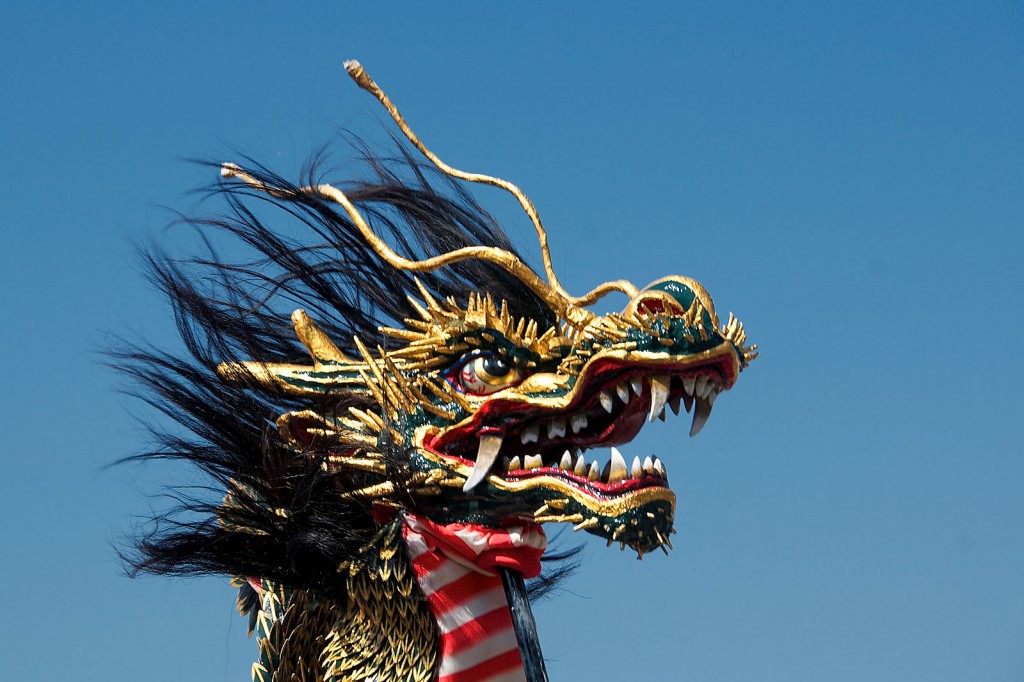
One of Japan's three great autumn festivals and one of its most culturally layered. Nagasaki's 17th-century role as Japan's only port open to foreign trade — specifically to Dutch and Chinese merchants — is encoded in the festival's performances. Dragon dances from the Chinese community, Dutch-era ship floats, and traditional Japanese shrine processions all appear in the same programme. The result is a festival that looks unlike any other in Japan, reflecting a city that was never quite like any other city in Japan. Nagasaki, October 7-9, 2026
Autumn Foliage Festivals
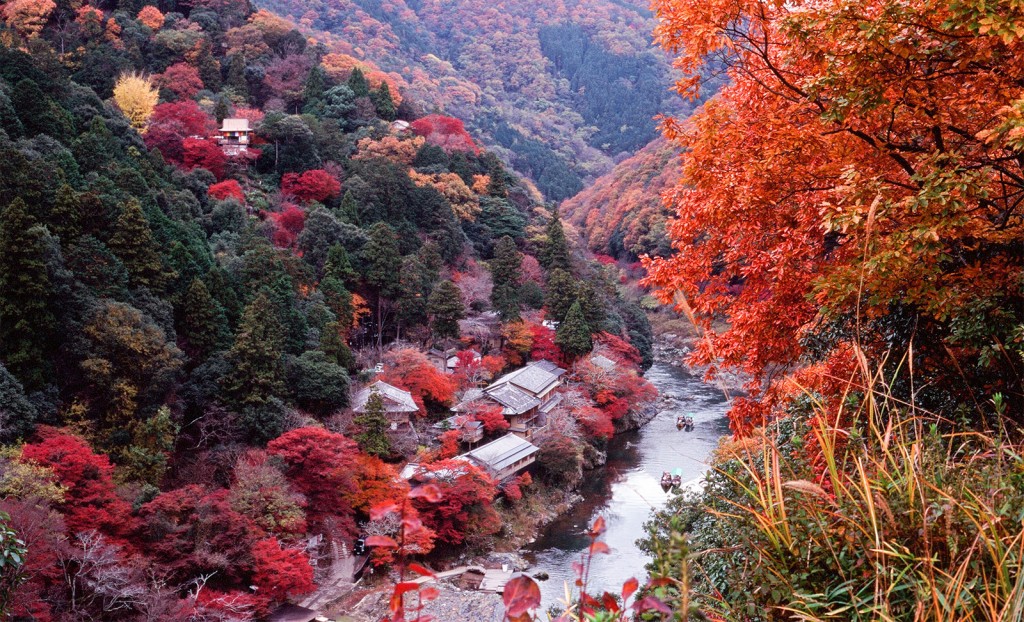
Koyo (autumn leaf viewing) generates the same kind of festival energy as cherry blossom season in spring. Major foliage spots — Nikko in Tochigi, the Philosopher's Path in Kyoto, Korankei in Aichi, Daikakuji in Kyoto, Hirosaki Park in Aomori — hold formal foliage festivals with illuminations, food stalls, and extended opening hours. Peak timing varies significantly by latitude and elevation: Hokkaido peaks in early October, Tohoku mid-October, Tokyo and Kansai late November.
Autumn Grand Sumo Tournament
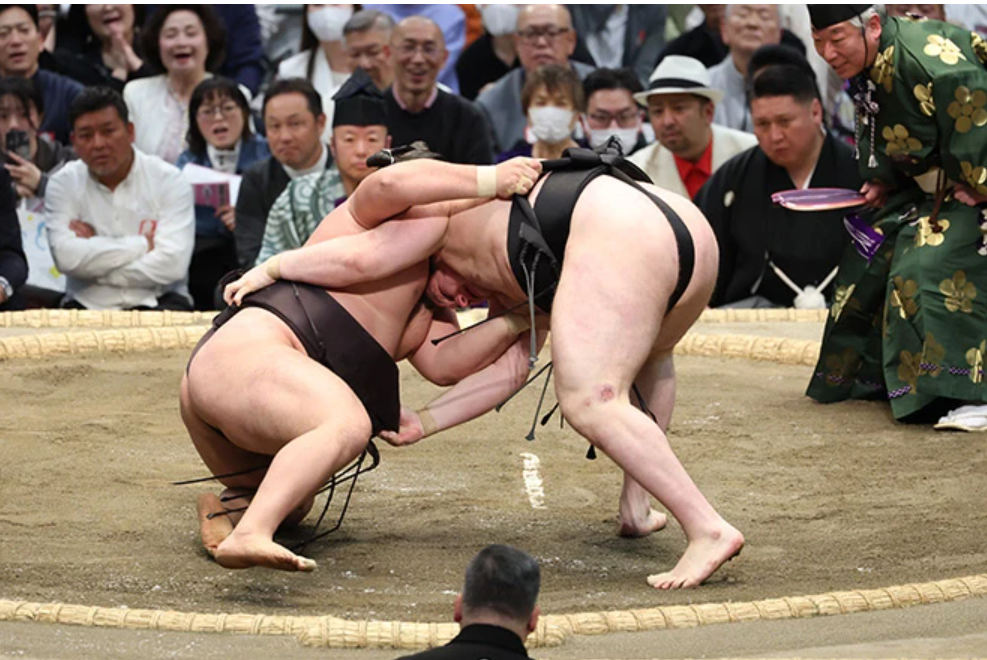
The September Grand Sumo Tournament runs at Ryogoku Kokugikan in Tokyo, one of six annual tournaments. Autumn is considered sumo's most competitive season. Tokyo, September 13
Read our sumo guide →
Winter Festivals in Japan 2026
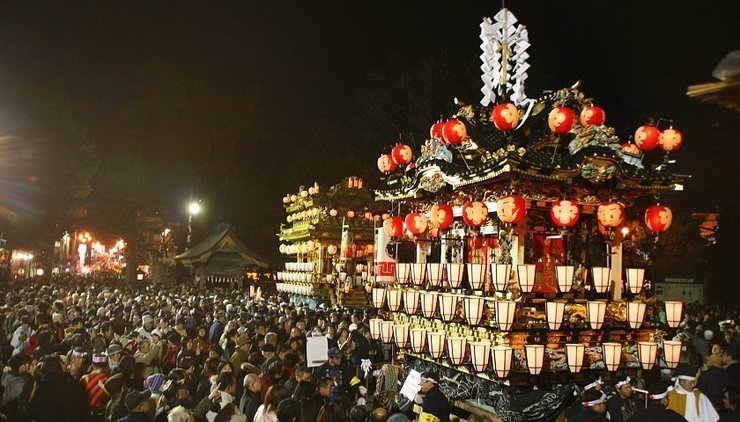
Chichibu Night Festival
Technically winter by calendar but spiritually autumn's conclusion — Chichibu's great float festival closes the year's festival season with six enormous lantern-lit floats pulled through the mountain town's streets on a bitter December night while fireworks launch from the hills above. One of Japan's three great float festivals alongside Gion and Takayama, and the least visited by foreign tourists despite being two hours from Tokyo. Day trips from Ikebukuro Station run specifically for the event. Chichibu (Saitama), December 2-3, 2026
Nozawa Onsen Fire Festival
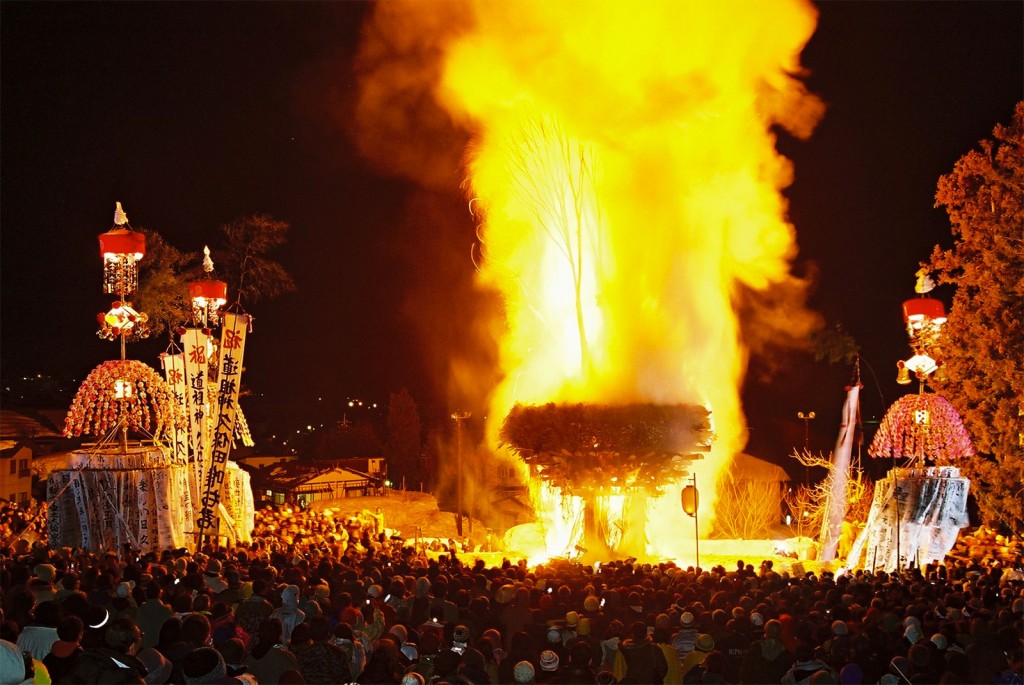
One of Japan's three great fire festivals, held in a small ski resort village in Nagano on the night of January 15. Village elders in their 42nd and 25th years (considered unlucky ages in Japanese tradition) defend a large wooden shrine structure from being set alight by other villagers wielding torches. The defenders are pelted with fire; they fight back. The shrine eventually burns. The combination of deep snow, chaos, and a gigantic bonfire in a mountain village creates something genuinely unlike any other event in Japan. Nozawa Onsen, January 15
Sapporo Snow Festival
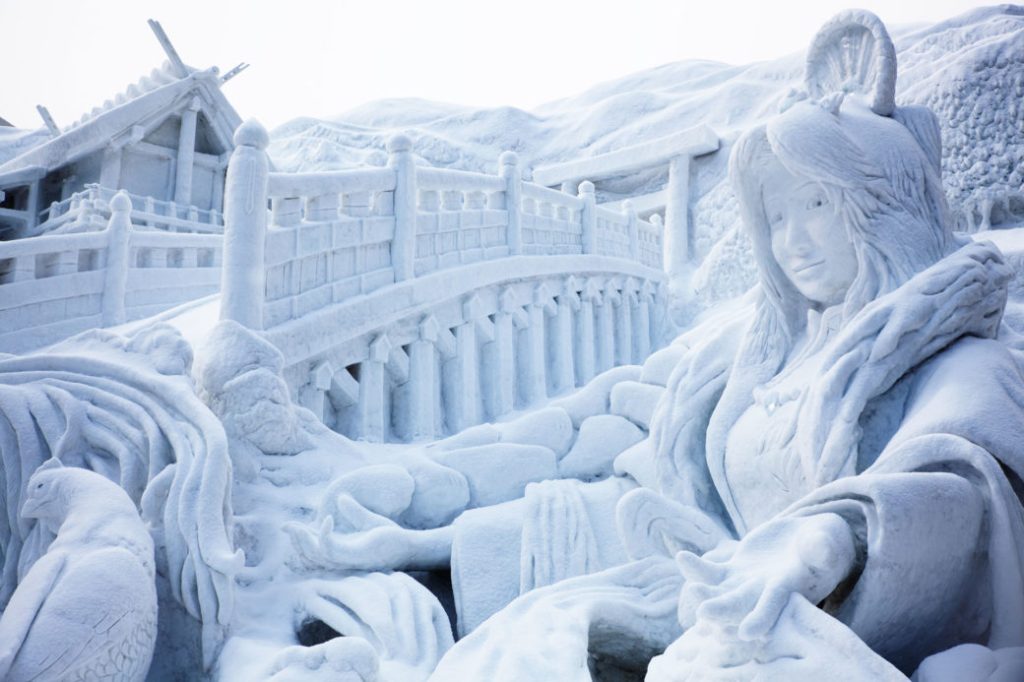
Massive snow and ice sculptures line Odori Park and Susukino. Over 2 million visitors attend. Free admission. The sculptures range from intricate miniatures to full-scale reproductions of world landmarks that take teams of Japan Self-Defense Force engineers weeks to construct. Sapporo, early February 2026
Browse Sapporo events →
Yokote Kamakura Festival
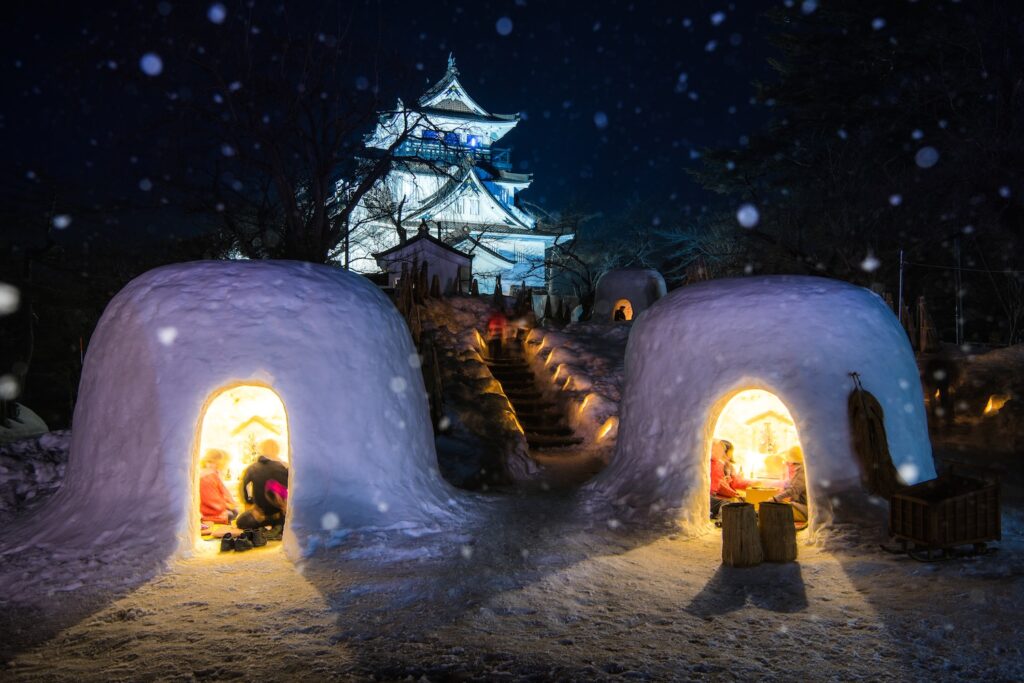
Hundreds of igloo-like snow houses called kamakura are built throughout the city, each with a small altar inside. Children invite visitors in for amazake and mochi — a genuinely intimate winter experience far from tourist circuits.
Yokote (Akita), February 15-16 2026
Nagasaki Lantern Festival
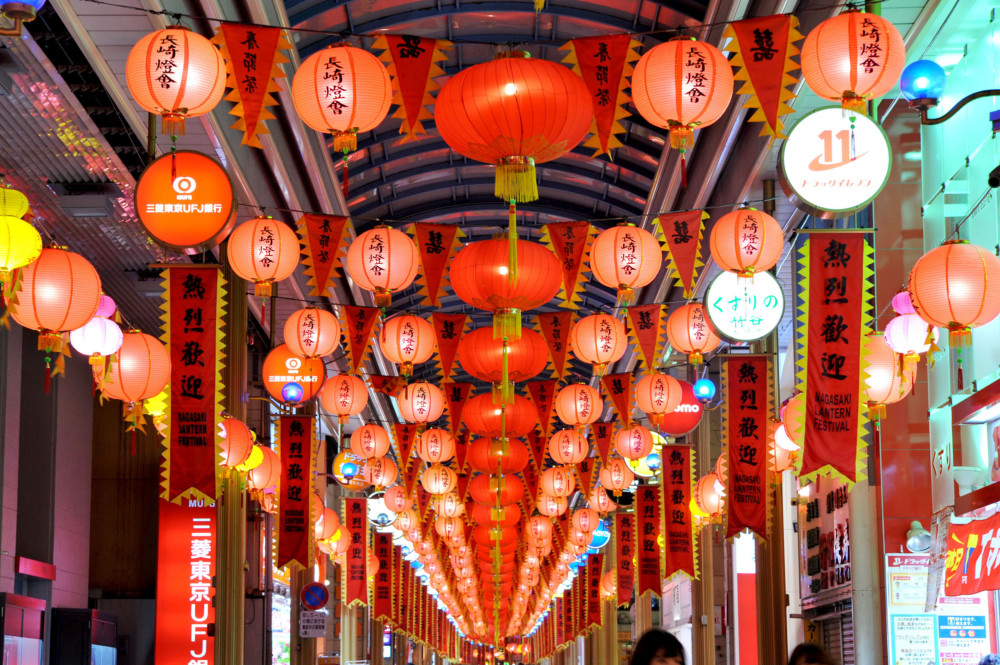
Nagasaki's Chinese community, dating to the 17th-century trading port era, hangs 15,000 lanterns across Chinatown and Hamano-machi for 15 nights. One of Japan's most spectacular Lunar New Year celebrations, and the largest lantern festival in the country.
Nagasaki, February 17 - March 3, 2026
Browse Nagasaki events →
The Strange and Obscure — Festivals You Won't Find in Any Guidebook
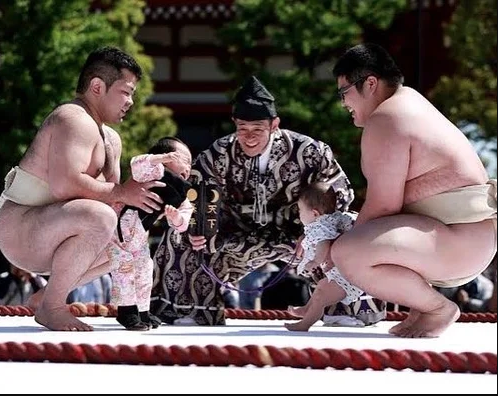
Naki Sumo — Sensoji Temple / others, spring/autumn
Baby sumo. Infants are held by competing sumo wrestlers in the ring, and the first baby to cry wins. Based on the belief that the cry of a healthy baby drives away evil spirits and brings good fortune. The event is simultaneously funny, slightly alarming, and oddly moving when you understand that the parents are asking for divine protection for their children. Sensoji Temple in Tokyo holds a version in late April.
Honen Matsuri
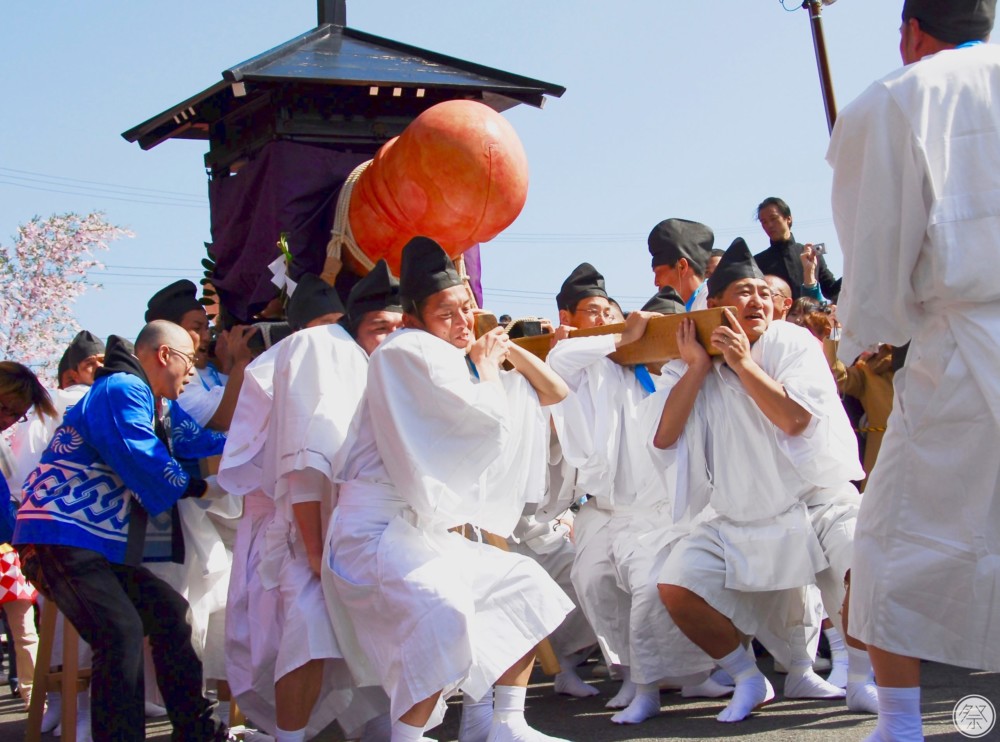
A fertility festival at Tagata Shrine in Komaki, outside Nagoya, that predates the Kanamara Matsuri in Kawasaki by several centuries and is considerably more solemn in atmosphere. A 2.5-metre wooden phallus carved from cypress is carried in procession, accompanied by women distributing rice crackers in the same shape. The crowd is mixed — local families, elderly shrine devotees, baffled tourists — and the ceremony is conducted with genuine religious seriousness.
Komaki (Aichi), March 15 annually
Warabi Hadaka Matsuri
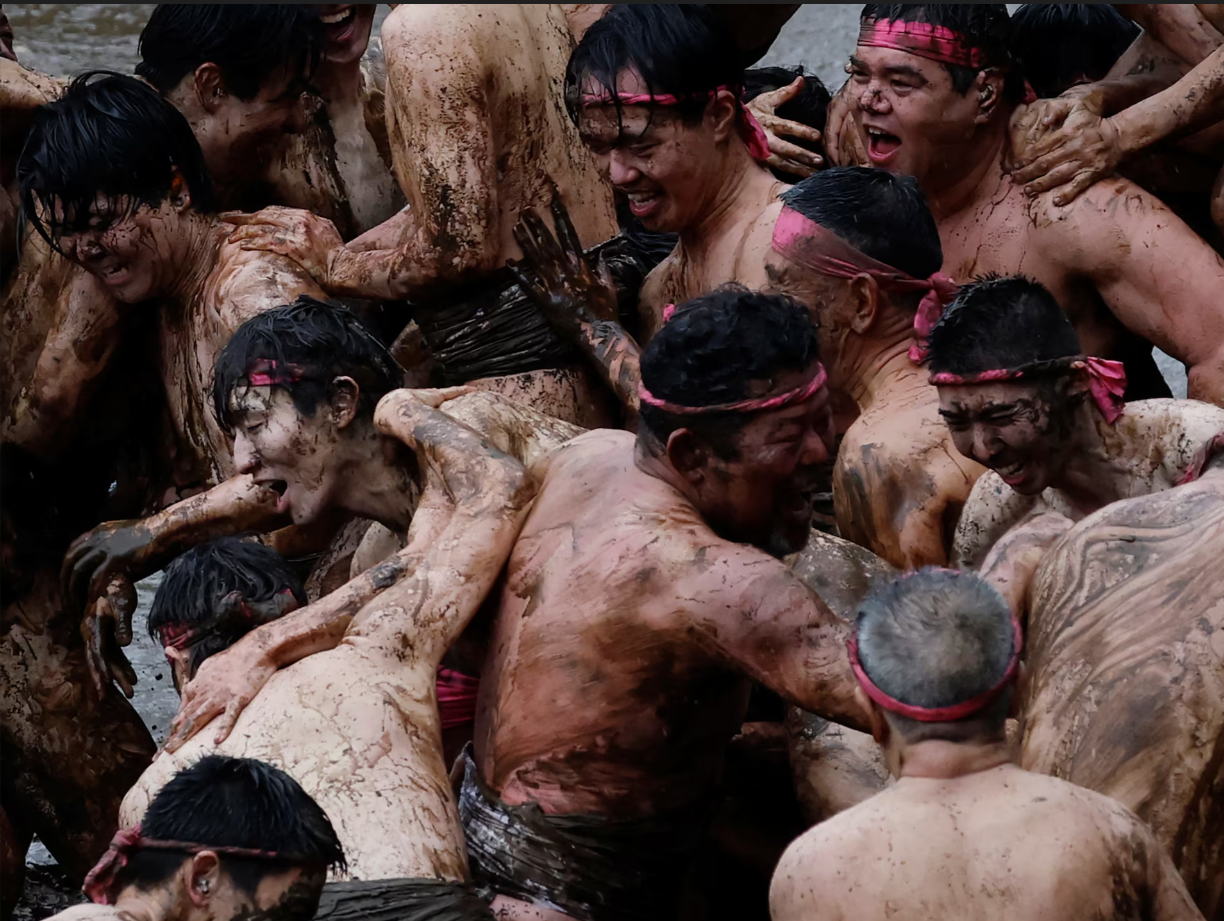
One of several naked festivals held across Japan- It features men in fundoshi (loincloths) wrestling and throwing mud to pray for a bountiful harvest and healthy children. Kousanrei Shrine, Warabi (Saitama), February 25
Laughing Festival (Warai Matsuri)
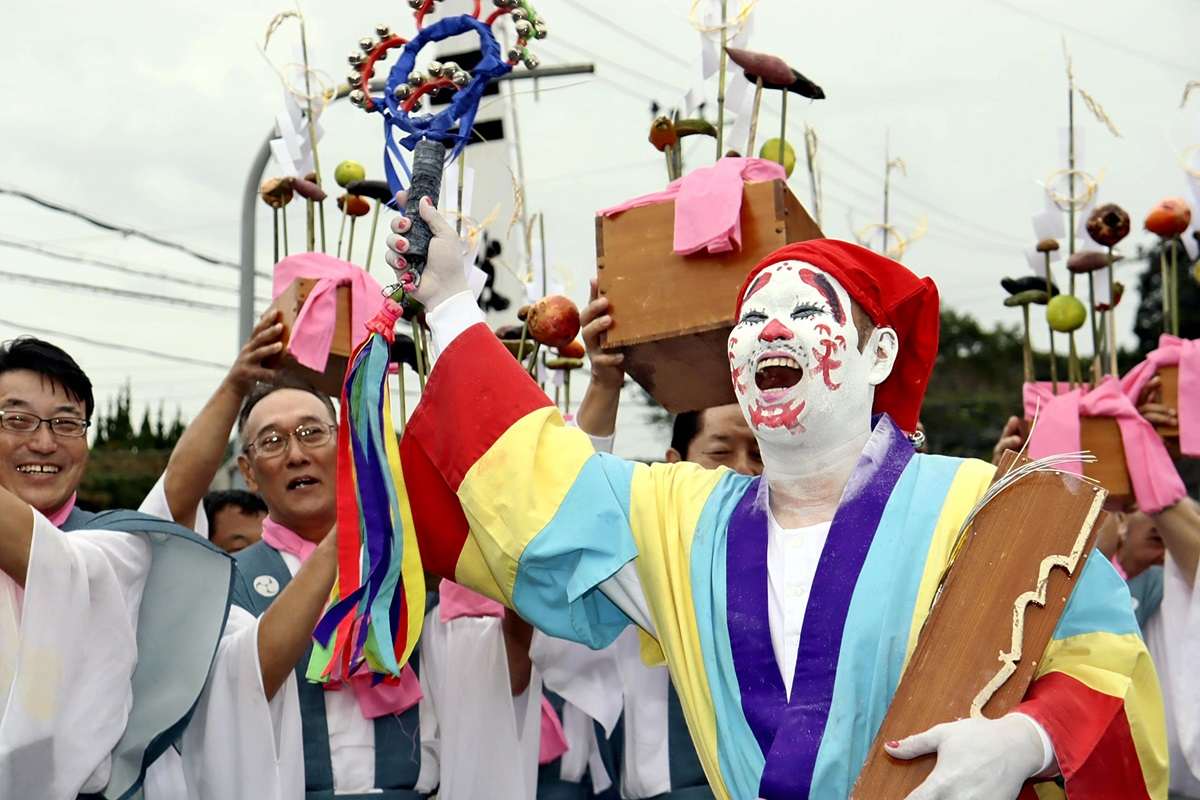
A festival where participants must laugh — genuinely and continuously — as part of a Shinto ritual to cheer a sad deity. A panel of judges evaluates the quality and sincerity of the laughter. Located in a small town in the mountains of Wakayama, it is one of the least-known significant festivals in Japan. Hidakagawa (Wakayama), October 10 2026
Browse Wakayama events →
Music Festivals in Japan 2026
Japan's outdoor music festival season is one of Asia's most developed and runs from spring through autumn, with a concentration in July and August.
Fuji Rock Festival
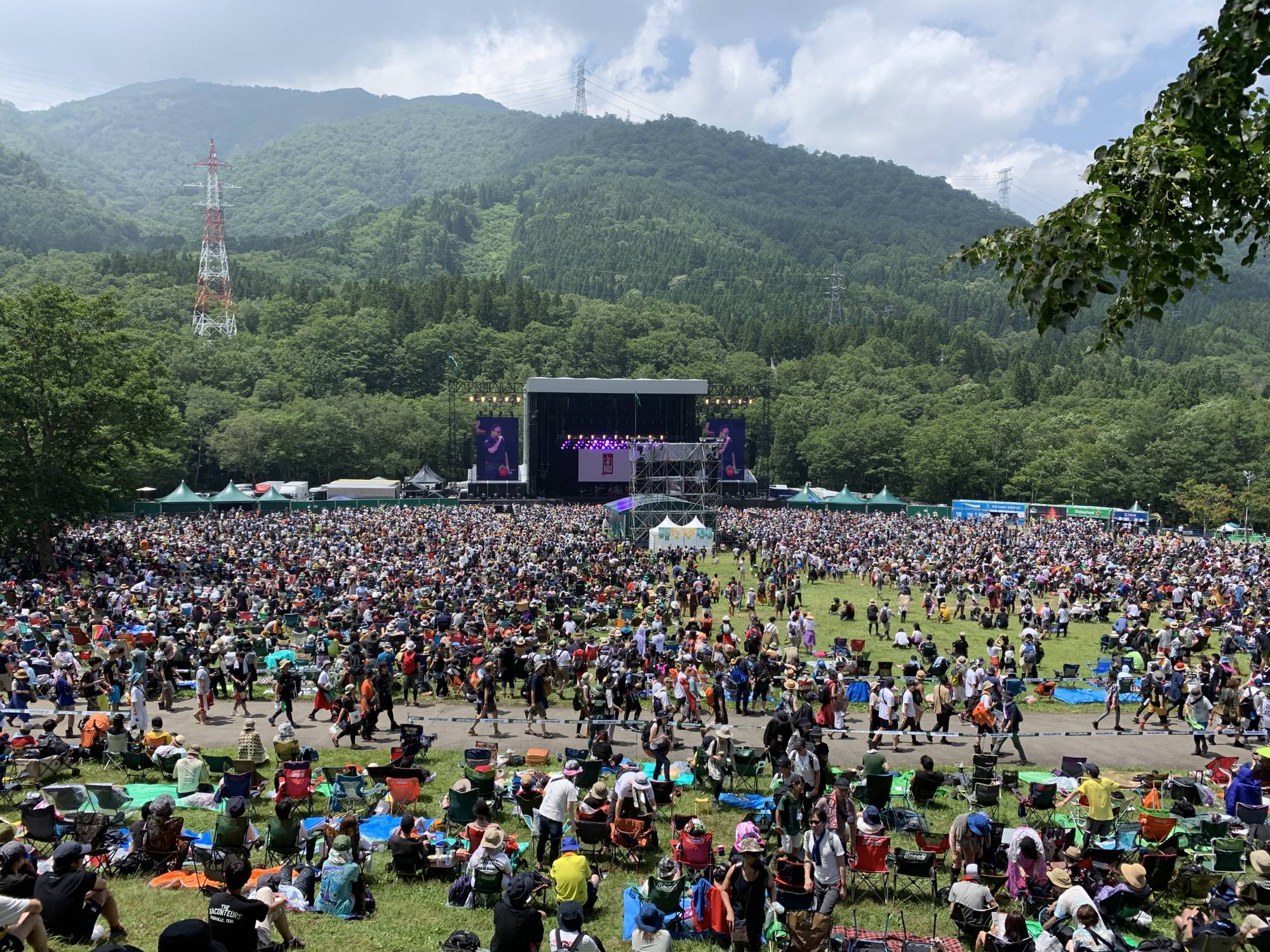
The iconic outdoor festival returns to Naeba Ski Resort from July 24 to 26, 2026, with 66 acts announced in its opening salvo. Day one features The xx, Asian Kung-Fu Generation, and Hi-Standard; day two brings Khruangbin, Fujii Kaze, and XG; the festival closes with Massive Attack, Susumu Hirasawa, and Mitski. Japan's largest outdoor music event, held in the mountains of Niigata, typically receives significant rain. This is not considered a deterrent. Camping is the standard accommodation. Bring waterproof everything. Naeba Ski Resort (Niigata), July 24-26, 2026
Browse Niigata events →
Summer Sonic
Summer Sonic is celebrating its 25th anniversary in 2026, held for three days from August 14 to 16 at Zozo Marine Stadium and Makuhari Messe in Tokyo and at the Expo '70 Commemorative Park in Osaka. Unlike Fuji Rock's mountain camping format, Summer Sonic is an urban festival — no camping, fully accessible by train, with indoor and outdoor stages. The lineup mixes international headliners with Japanese acts across rock, pop, hip-hop, and electronic genres.
Chichibu (Saitama), December 2-3, 2026
Rising Sun Rock Festival — Ishikari (Hokkaido), August 2026 Rising Sun Rock Festival is an outdoor, all-night rock festival held annually in Hokkaido for over 20 years, mainly featuring Japanese rock and indie artists. The second day runs as an all-night event from 12:30pm to 5:00am the following morning. The beachside location and overnight format make this one of Japan's most distinctive festival experiences. Date TBC.
Rock in Japan Festival — Hitachinaka (Ibaraki), August 2026 Japan's largest domestic music festival dedicated exclusively to Japanese artists, held at Hitachi Seaside Park over multiple weekends. The lineup represents the full spectrum of Japanese pop, rock, and alternative music. Date TBC.
VIVA LA ROCK — Saitama, May 2026 The spring rock festival season opener, held at Saitama Super Arena with a lineup of Japanese alternative and rock acts. One of the few major festivals held indoors, making weather irrelevant. Browse Saitama events →
Beer Festivals in Japan 2026
Japan has developed a serious festival drinking culture that extends well beyond craft beer bars and into large-scale outdoor events.
Belgian Beer Weekend
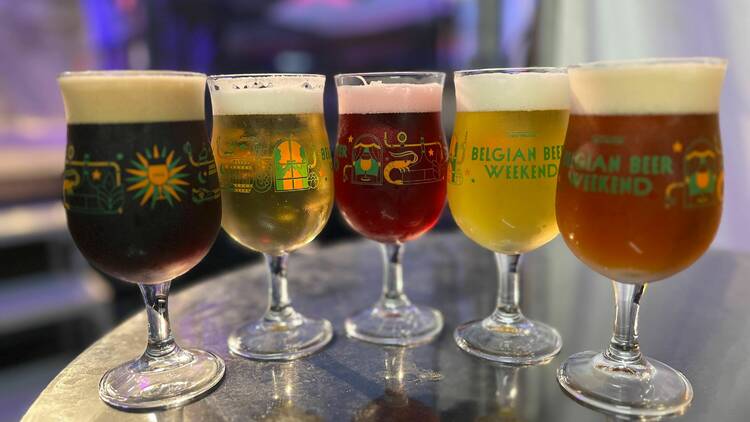
Japan's largest Belgian beer festival runs across six cities Belgian Beer Weekend in a touring format. The Nagoya leg runs for 17 days at Hisaya Odori Park during Golden Week, with over 50 Belgian breweries participating and 119 different beers available. The Yokohama edition runs May 21-24 at Yamashita Park on the waterfront. The Osaka edition runs May 27-31, set against the historic Osaka City Central Public Hall in Nakanoshima. Ticket starter sets include tokens and a souvenir glass. The BBWalker app provides English descriptions of every beer.
Multiple Cities, April-June 2026
Oktoberfest Japan — Multiple Cities, September-October 2026 German-style Oktoberfest events run across Japan's major cities in autumn, with the Odaiba edition in Tokyo and the Yokohama edition (confusingly held in October, matching the original Munich timing) being the largest. Atmosphere is festive rather than authentic; the crowds are enthusiastic.
Craft Beer Events — Nationwide, Year-Round Japan's craft beer scene has grown dramatically over the past decade, and standalone craft beer festivals now run in most major cities. Tokyo's Shimokitazawa neighbourhood regularly hosts small neighbourhood events; the Great Japan Beer Festival runs in multiple cities annually.
Art Festivals in Japan 2026
Setouchi Triennale
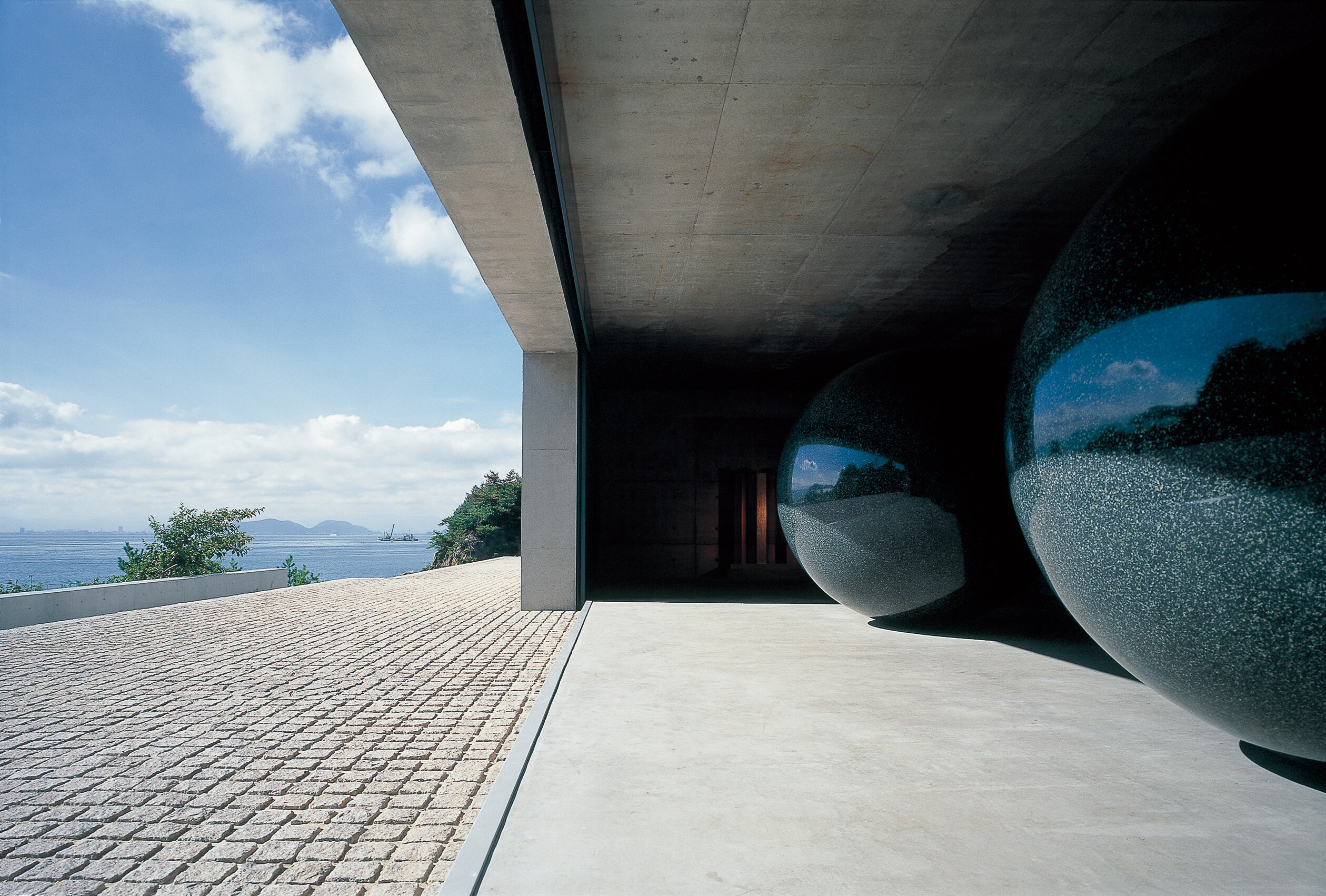
Held across twelve islands in the Seto Inland Sea, this is Japan's premier art event. While the main festival occurs every three years (next in 2028), the region remains a year-round art destination with permanent installations including Yayoi Kusama's pumpkins on Naoshima and the Teshima Art Museum. Read our Art Islands guide →
Kyotographie

An international photography festival using Kyoto's machiya townhouses, temples, and warehouses as gallery spaces. Each year focuses on a theme explored by photographers from Japan and internationally. One of the few festivals that uses the city's architecture as an active element of the work rather than background. Kyoto, April-May 2026
Browse Kyoto events →
Planning Your Festival Visit — Practical Notes
Booking accommodation: For major festivals — Gion Matsuri, Nebuta, Sapporo Snow Festival, any Golden Week event — book 3-6 months in advance. Accommodation within walking distance sells out first and prices triple.
What to wear: Summer festivals mean yukata (light cotton kimono) for those who want to dress the part. Rental shops near major festival sites charge ¥3,000-6,000 including obi and accessories. Comfortable shoes are essential — festival days involve many kilometres of walking on uneven surfaces.
Getting tickets: Many festivals are free to attend as spectators. Paid events — sumo, kabuki, music festivals — sell through e-plus, Ticket Pia, and Lawson Tickets. For sumo, the Japan Sumo Association's English site accepts international cards. For music festivals, Fuji Rock and Summer Sonic both have English purchase pages.
Cash: Festival food stalls and smaller events operate on cash only. Konbini ATMs (7-Eleven, Lawson) accept international cards.
What's On Japan tracks festivals and events across Japan in real time. Browse all festivals → | See events near you →
Find events happening near you
Browse hundreds of events across Japan — translated from Japanese, updated regularly.
Browse Events